
Beautiful Plants For Your Interior
Beautiful Plants For Your Interior
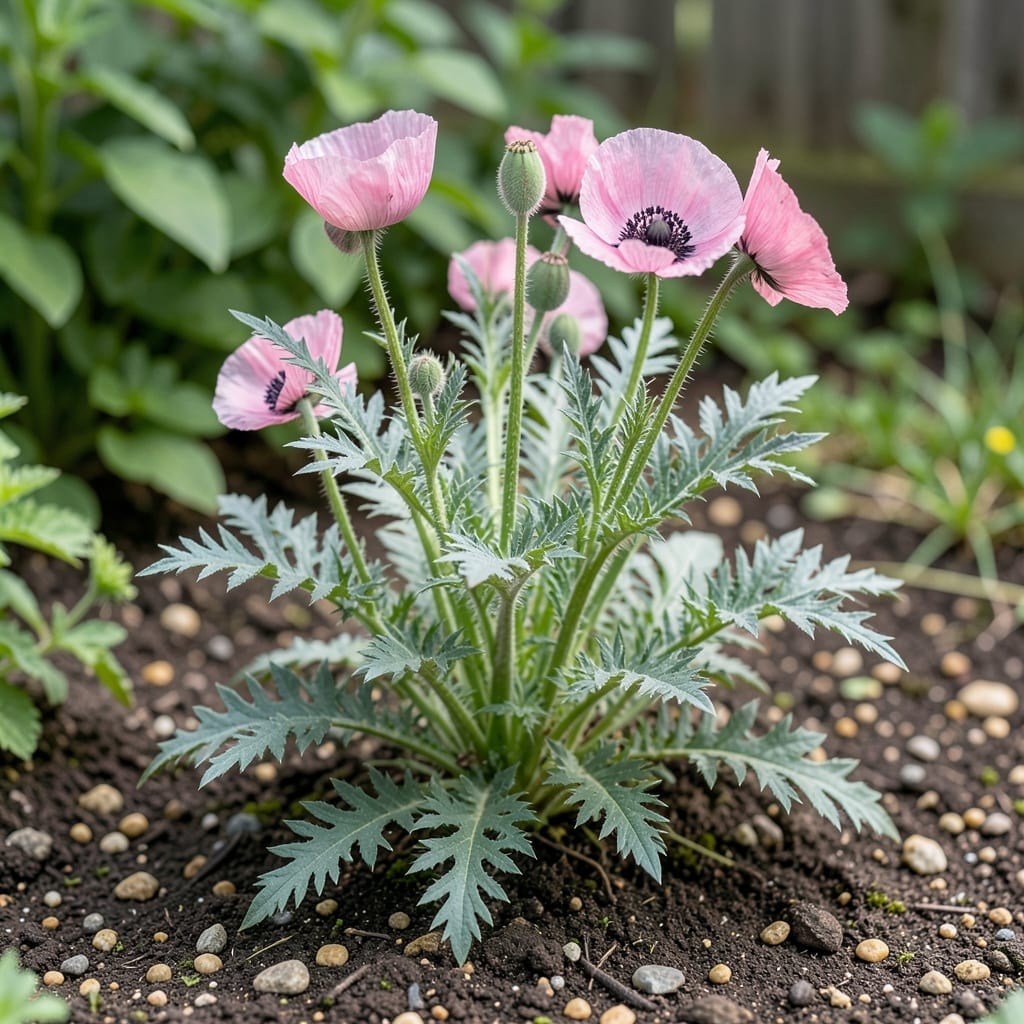
Those delicate pink seed pods catch every gardener’s eye—like nature’s own jewelry hanging from branches. I first noticed them on my poppies three seasons back, and now I plant for them intentionally.
Certain varieties produce these naturally, from poppies to lotus. The key is giving them what they crave: full sun, well-draining soil, and just enough water to keep them happy but not soggy.
You’ll start seeing pods form as flowers fade, shifting from green to that dreamy blush. By late summer, they’ll be ready to harvest for next year’s garden or dried arrangements.
Works in most climates, though timing varies. Even small spaces can join in with container-friendly types.
The vibrant appearance of pink seed pods in your garden is often a fascinating natural occurrence tied to plant biology and environmental factors. Below are the primary reasons this phenomenon happens, explained in clear, actionable terms.
Some plant species, like Hibiscus or Lotus, are genetically programmed to produce pink seed pods. The color results from anthocyanins, water-soluble pigments synthesized during seed development. These compounds are activated by specific genes that respond to light, temperature, or hormonal cues. If you’re growing a variety known for pink pods, this trait is likely inherent.
Temperature and sunlight can influence pigment production. Cooler nights (below 60°F) often enhance anthocyanin concentration, leading to deeper pink hues. Conversely, excessive heat may suppress these pigments, causing paler pods. Ensure your plants receive 6–8 hours of sunlight daily and are shielded from extreme temperature swings to maintain consistent coloration.
A soil imbalance—particularly phosphorus deficiency or high nitrogen levels—can alter pod color. Phosphorus supports anthocyanin synthesis, while excess nitrogen may redirect resources toward leafy growth, diluting pigment intensity. Test your soil and amend with bone meal or a balanced fertilizer (10-10-10) to promote vibrant pods.
Plants under mild stress (e.g., drought or pest pressure) may produce pink seed pods as a survival mechanism. Anthocyanins act as antioxidants, protecting tissues from damage. While some stress can enhance color, prolonged issues weaken the plant. Monitor moisture levels and treat pests promptly to avoid compromising health.
Encountering problems with pink seed pods in your garden can be frustrating, but most issues have simple fixes. Below are practical solutions to common concerns, along with prevention tips to keep your plants thriving.
Fix: Soak seeds in lukewarm water for 12–24 hours before planting to soften the seed coat. Use a well-draining seed-starting mix and maintain consistent moisture without waterlogging. Place the tray in a warm spot (70–75°F) with indirect light.
Prevention: 💡 Always use fresh seeds (check the expiration date) and avoid overcrowding seedlings, which can stunt growth.
Fix: This often signals nutrient deficiency. Apply a balanced, water-soluble fertilizer (10-10-10) every 2–3 weeks during the growing season. If the soil is waterlogged, improve drainage by amending with perlite or sand.
Prevention: 🌡️ Test soil pH (ideal range: 6.0–7.0) and adjust with lime (to raise pH) or sulfur (to lower pH) as needed.
Fix: For aphids or mites, spray plants with a mixture of 1 teaspoon mild soap and 1 quart of water. Repeat every 3–4 days until pests are gone. For severe cases, introduce beneficial insects like ladybugs.
Prevention: ✨ Regularly inspect plants for early signs of pests and remove debris around the garden to eliminate hiding spots.
Fix: Stick your finger 1 inch into the soil—if it’s dry, water deeply; if soggy, hold off until it dries slightly. Use a moisture meter for accuracy. Mulch around the base to retain moisture.
Prevention: 🎯 Water in the early morning to reduce evaporation and fungal risks. Ensure pots have drainage holes.
Addressing these issues promptly will help your pink seed pods flourish with vibrant, healthy blooms. Happy gardening!
Popular choices include Hibiscus, Lotus, and Poppies. These varieties are genetically programmed to develop vibrant pods as their flowers fade.
Excessive heat or nutrient imbalances can dull the hue. Ensure 6-8 hours of sunlight and amend soil with phosphorus to maintain vivid tones.
Wait until pods turn fully pink and feel dry to the touch, usually in late summer. Harvest in the morning for the best seed viability.
Yes! Hang them upside down in a dark, dry place for 2-3 weeks. This preserves their color and shape for decorative uses.