
Beautiful Plants For Your Interior
Beautiful Plants For Your Interior
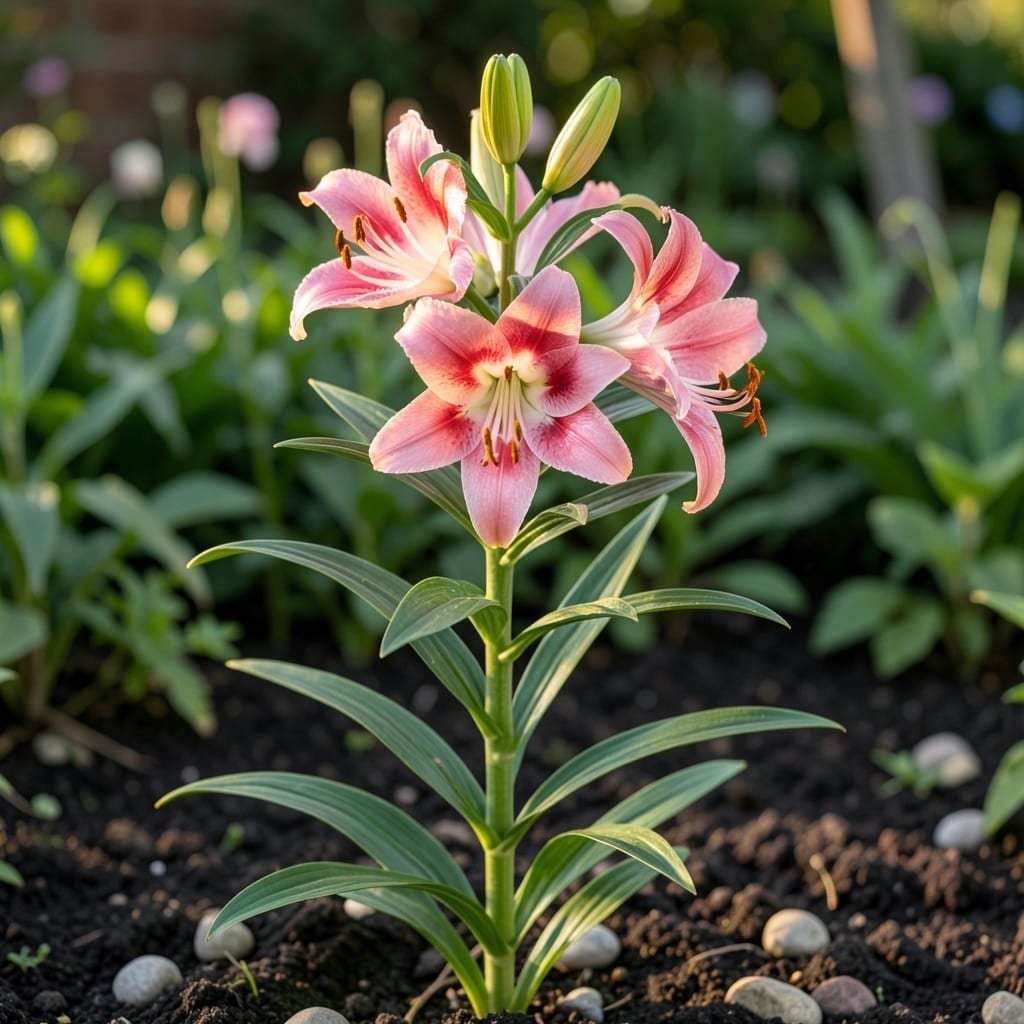
There’s nothing like the first time you see these blooms open in your garden. I still remember the shock of vibrant pink petals unfurling after what felt like an eternity of green buds.
They thrive in full sun to partial shade, but here’s the thing—too much afternoon heat can scorch the edges. Well-draining soil is non-negotiable; soggy roots are a one-way ticket to wilting drama.
Plant in spring or early fall for best results. Space them 12-18 inches apart to give roots room to stretch without crowding. A light mulch keeps weeds down and moisture in.
Come summer, you’ll have waves of color that stop neighbors in their tracks. And yes, they’re as low-maintenance as they are stunning.
Understanding why your lily-like flower turns pink can help you replicate—or avoid—the effect. Here are the most common causes, backed by science:
Some lilies and similar flowers, like Lilium hybrids or Alstroemeria, naturally produce pink pigments due to anthocyanins. These water-soluble pigments dominate in petals when specific genes (e.g., _CHS_ or _DFR_) are active. If your plant’s lineage includes pink varieties, the color isn’t accidental—it’s hereditary!
Soil acidity can shift flower colors. Anthocyanins turn pinker in acidic soil (pH 5.5–6.5) and may fade to white or purple in alkaline conditions. Test your soil with a kit and add sulfur to lower pH or lime to raise it. For pink blooms, aim for a slightly acidic range.
Sunlight intensity affects pigment production. Anthocyanins act as a sunscreen for petals, so flowers grown in full sun (6+ hours/day) often develop deeper pinks. Conversely, shaded plants may produce paler blooms. Adjust light exposure early in the growing season for desired hues.
Cooler temperatures (50–60°F at night) can enhance anthocyanin synthesis, leading to richer pink tones. If your flowers are paler than expected, try moving potted plants to a cooler spot overnight or planting in a microclimate with natural temperature drops.
If your pink lily-like flower is struggling, these practical solutions will help you nurse it back to health. Address the root cause with targeted fixes and prevent future issues with simple care adjustments.
Overwatering or poor drainage often causes yellow leaves. Fix: Let the top 1-2 inches of soil dry out between waterings. Ensure pots have drainage holes. If root rot is present, trim affected roots and repot in fresh, well-draining soil.
Prevention: Use a moisture meter or the finger test (stick your finger in the soil) to check dryness before watering. 💡 Pro tip: Water deeply but less frequently to encourage strong root growth.
Aphids, spider mites, or mealybugs can weaken your plant. Fix: Wipe leaves with a damp cloth or spray with a mix of water and mild soap. For stubborn pests, use neem oil (1 tsp per quart of water) weekly until gone.
Prevention: Inspect new plants before bringing them home, and isolate affected plants immediately. Keep foliage dry to discourage pests. ✨ Bonus: Ladybugs are natural predators—invite them into your garden!
Tall, sparse stems mean your plant isn’t getting enough light. Fix: Move it to a brighter spot with indirect sunlight (east or west-facing windows are ideal). If natural light is limited, supplement with a grow light for 12-14 hours daily.
Prevention: Rotate the pot quarter-turn weekly for even growth. Avoid harsh midday sun, which can scorch leaves.
Low humidity can cause buds to drop or flowers to wilt prematurely. Fix: Mist leaves in the morning or place the pot on a tray filled with pebbles and water. Grouping plants together also boosts humidity.
Prevention: Maintain 40-60% humidity around your plant. A small humidifier works wonders in dry climates. 🌡️
It thrives in well-draining soil with full sun to partial shade. Avoid soggy roots by ensuring proper drainage, and protect it from harsh afternoon heat to prevent scorching.
Water deeply when the top 1-2 inches of soil feel dry. Overwatering can lead to root rot, so let the soil dry slightly between waterings.
Pale blooms often result from alkaline soil or insufficient sunlight. Test your soil pH and aim for 5.5–6.5, and ensure it gets 6+ hours of sun daily.
Yes! Use a pot with drainage holes and 12-18 inches of space for roots. Containers allow you to control soil and light conditions more easily.