
Beautiful Plants For Your Interior
Beautiful Plants For Your Interior
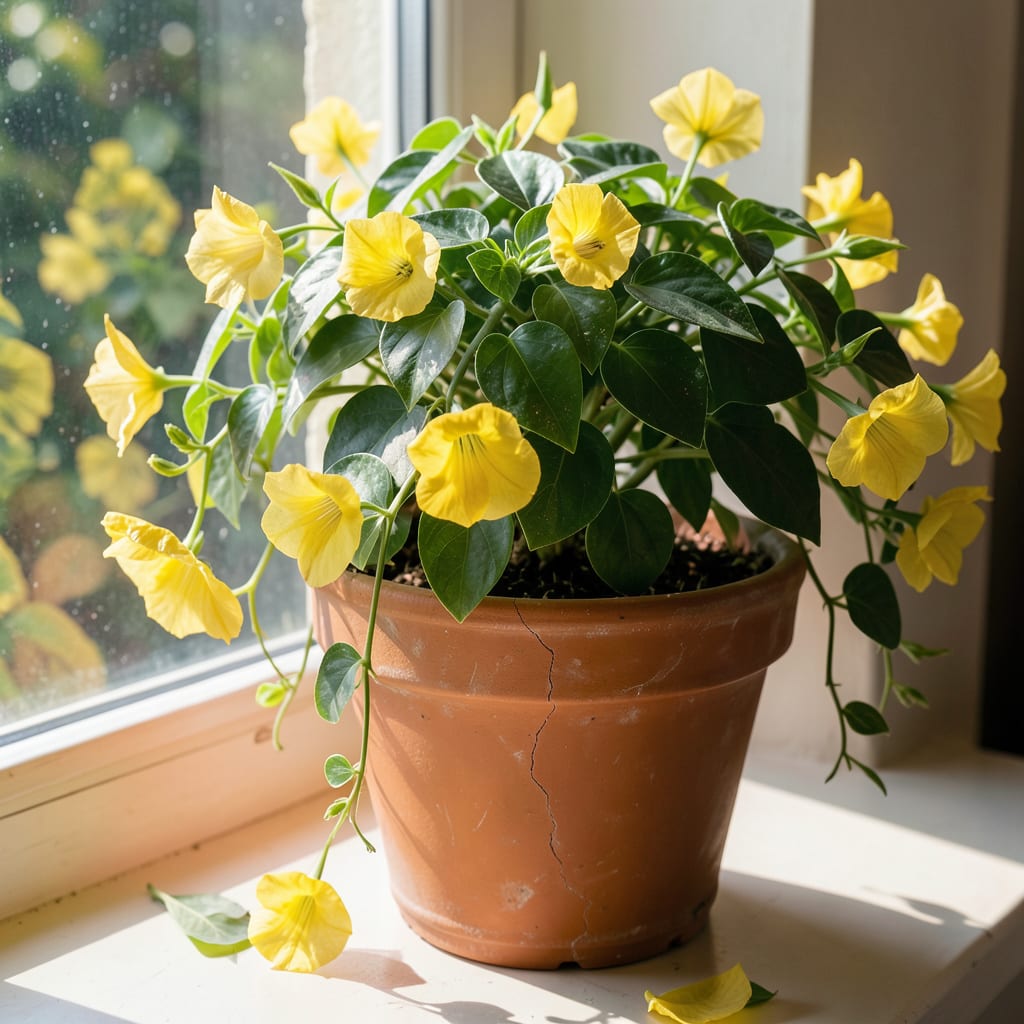
Yellow leaves on your dipladenia aren’t just unsightly—they’re a cry for help. I’ve seen this happen too many times, usually when the plant’s basic needs get overlooked in our eagerness to keep it thriving.
Most often, it’s about too much water or not enough nutrients. The soil stays soggy, roots suffocate, and leaves turn yellow as the plant struggles. Other times, pests like spider mites drain the life out of those vibrant blooms.
Here’s the thing—fixing it starts with checking the soil. If it’s bone dry an inch down, water deeply. If it’s waterlogged, let it dry out. A simple adjustment can turn things around in a week or two.
Prevention is even easier: consistent care, good drainage, and a watchful eye. Your dipladenia will reward you with lush, green growth and flowers that refuse to quit.
Dipladenia leaves turning yellow often signals an underlying issue, and identifying the root cause is key to restoring your plant’s health. Below are the most common culprits, explained with actionable insights.
Excess water suffocates the roots, preventing oxygen uptake and leading to root rot. Dipladenia thrives in well-draining soil; soggy conditions cause roots to decay, which disrupts nutrient absorption. Yellowing leaves, especially lower ones, often appear first. Solution: Ensure pots have drainage holes and use a gritty, fast-draining mix. Water only when the top 1-2 inches of soil are dry.
Yellow leaves can indicate a lack of essential nutrients, particularly nitrogen, magnesium, or iron. Nitrogen deficiency causes uniform yellowing (starting with older leaves), while magnesium shortage triggers yellowing between leaf veins. Iron deficiency, common in alkaline soils, leads to yellow leaves with green veins. Solution: Use a balanced, water-soluble fertilizer (e.g., 10-10-10) every 2-4 weeks during the growing season. For iron, apply chelated iron supplements.
Dipladenia is sensitive to temperature swings. Cold drafts (below 50°F/10°C) or heat stress (above 90°F/32°C) can shock the plant, causing leaf yellowing. Additionally, low humidity (below 40%) may lead to crispy, yellow edges. Solution: Keep plants in stable environments (65-80°F/18-27°C) and mist leaves or use a humidity tray if indoor air is dry.
Sap-sucking pests like spider mites, aphids, or mealybugs drain nutrients from leaves, causing yellow spots or mottling. Check undersides of leaves for webbing (mites), sticky residue (aphids), or white cottony clumps (mealybugs). Solution: Wipe leaves with neem oil or insecticidal soap weekly until pests are gone.
If your dipladenia’s leaves are turning yellow, don’t worry—most issues are fixable with a few simple adjustments. Below are targeted solutions for the most common causes, along with prevention tips to keep your plant thriving.
Fix: Let the soil dry out between waterings. Check the top 1-2 inches of soil—if it’s damp, hold off on watering. Repot the plant in well-draining soil and ensure the pot has drainage holes. Trim any black, mushy roots to prevent rot.
Prevention: Use a pot with drainage holes and a light, airy potting mix (e.g., cactus or succulent soil with perlite). Water only when the soil feels dry to the touch.
Fix: Move your dipladenia to a brighter spot with at least 6-8 hours of indirect sunlight daily. A south- or west-facing window is ideal. If natural light is limited, supplement with a grow light.
Prevention: Rotate the plant weekly to ensure even light exposure. Avoid deep shade, as this leads to weak growth and yellowing.
Fix: Feed your dipladenia with a balanced, water-soluble fertilizer (10-10-10 or 20-20-20) every 2-4 weeks during the growing season (spring to fall). Yellow leaves with green veins may indicate a magnesium deficiency—add Epsom salt (1 tsp per gallon of water) to the soil.
Prevention: Use a slow-release fertilizer at the start of the growing season and refresh the soil annually to replenish nutrients.
Fix: Keep your dipladenia in a stable environment between 65-80°F (18-27°C). If it’s been exposed to cold drafts or extreme heat, move it to a warmer, sheltered spot away from AC vents or heaters.
Prevention: Avoid sudden temperature changes. Bring potted plants indoors before temperatures drop below 50°F (10°C).
Fix: Inspect the leaves (especially undersides) for spider mites, aphids, or mealybugs. Wipe leaves with a soapy water solution (1 tsp mild dish soap per liter of water) or use neem oil for severe cases. Remove heavily infested leaves.
Prevention: Mist leaves regularly to deter pests and keep the plant clean. Isolate new plants for a few weeks to prevent spreading pests.
💡 Pro Tip: Yellow leaves won’t turn green again, so prune them to redirect the plant’s energy to healthy growth. Always use clean, sharp tools to avoid spreading disease.
Water only when the top 1-2 inches of soil are dry. Overwatering is the most common cause, so check soil moisture first. A well-draining mix helps prevent soggy roots.
No, once leaves yellow, they won’t recover. Prune them to redirect energy to healthy growth. Focus on fixing the underlying issue to prevent new yellowing.
Use a balanced, water-soluble fertilizer like 10-10-10 or 20-20-20 every 2-4 weeks in growing season. For magnesium deficiency, add Epsom salt.
Check for nutrient deficiencies or pests. Yellowing between veins suggests magnesium lack, while sticky residue may indicate aphids. Inspect leaves thoroughly.
