
Beautiful Plants For Your Interior
Beautiful Plants For Your Interior
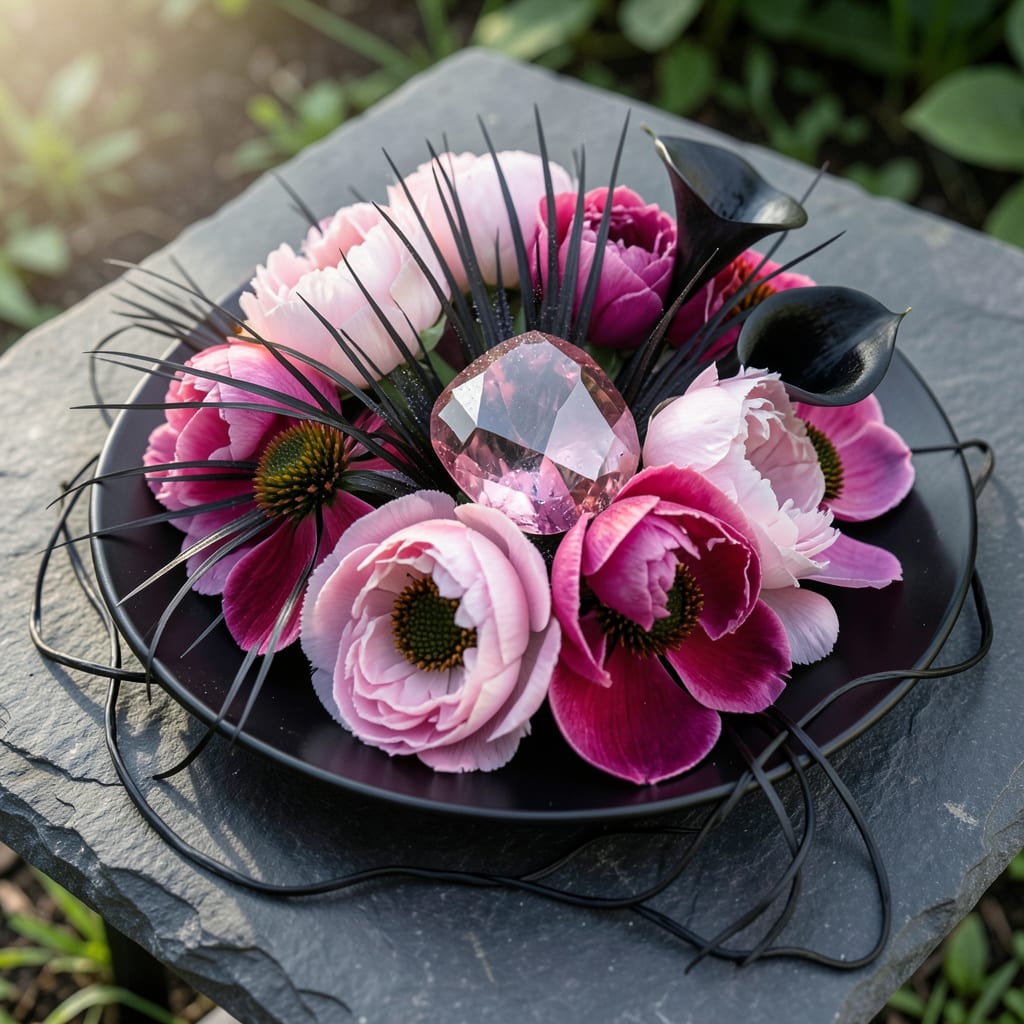
Nothing beats the drama of pink blooms against dark foliage. I planted these in my front border last spring, and the contrast stopped neighbors in their tracks.
This combo works in sun or part shade, needs minimal care, and keeps looking sharp from April through frost. The black leaves make pink flowers pop like nothing else in the garden.
📚 In This Guide
Transform your space with this bold color combination that delivers year-round visual impact.
Choose 3-4 varieties of pink-blooming plants with different heights and textures for layered interest. I prefer hardy perennials like pink peonies or coneflowers for their long bloom season and low maintenance. Annuals such as pink petunias or zinnias work well for temporary but vibrant displays.
Consider bloom time—mix early, mid, and late season pink flowers to maintain continuous color. The key is selecting shades of pink that complement rather than compete. Soft pastel pinks pair beautifully with deep magenta tones for natural harmony.
Visit your local nursery when plants are in bloom to see the exact pink hues you’re getting. This prevents color mismatches that can disrupt your contrast scheme.
Incorporate plants with dark foliage or near-black blooms to create the striking contrast. Black mondo grass, Queen of Night tulips, or black calla lilies provide dramatic depth. For foliage, consider black elephant ear or purple-black heuchera varieties.
Remember that true black in nature is rare—most “black” plants are deep purple, maroon, or chocolate brown. These still create the visual effect you want when paired with bright pinks. I always place these darker elements in clusters rather than scattered randomly.
If plants with black flowers aren’t available, use dark-colored mulch or black ornamental containers as your contrast base. The deep color will make your pink blooms appear even more vibrant.
Create visual balance by placing your black elements behind or beneath the pink plants. This arrangement makes the pink blooms pop forward while the dark colors recede, creating depth. I like to use the black plants in groups of 3-5 for maximum impact.
For container gardens, place black foliage plants at the back or center of the arrangement with pink flowers spilling over the edges. In garden beds, interplant black and pink specimens in a checkerboard pattern for a modern look.
Avoid placing equal amounts of black and pink side by side—this can create a striped effect that feels busy. Instead, use black as the supporting cast that makes your pink stars shine brighter.
Incorporate neutral colors like white, silver, or gray to help bridge the contrast between pink and black. White flowers or silver foliage plants act as visual buffers that prevent the color combination from feeling too harsh. Lamb’s ear or dusty miller work perfectly for this purpose.
Consider adding some green foliage as well—it provides a natural resting place for the eye. The green acts as a neutral backdrop that allows both the pink and black elements to stand out without competing with each other.
I often add some variegated plants with both green and white foliage to create additional visual interest while maintaining the color harmony.
As your garden grows, monitor how the colors interact throughout the seasons. Some pink varieties may fade in intense sunlight, while black foliage might lighten as temperatures rise. I check my color combinations every 2-3 weeks during the growing season.
Deadhead spent pink blooms regularly to encourage continuous flowering and maintain the color intensity. For black foliage plants, remove any leaves that revert to green to preserve the dark coloration.
Be prepared to adjust your layout if certain color combinations aren’t working as expected. Gardening is a dynamic process, and sometimes the best designs evolve through experimentation.
Small details make a big difference in achieving that stunning visual impact.
Selection Strategy: When choosing your 3-4 pink varieties in Step 1, prioritize plants with different bloom times. This ensures continuous color throughout the season rather than a single burst. I learned this the hard way when my early-blooming peonies finished just as my late zinnias started.
Placement Perfection: In Step 3, grouping your black elements in clusters of 3-5 creates more impact than scattering them. This technique makes the pink blooms appear more vibrant while preventing the contrast from feeling chaotic. Trust me on this.
Maintenance Matters: Don’t skip the every 2-3 weeks color check mentioned in Step 5. Pink blooms often fade faster than you expect, and black foliage can lighten in summer heat. Regular monitoring lets you adjust before the contrast loses its punch.
Popular choices include Black Baccara roses with pink companions, Queen of Night tulips paired with pink varieties, or black mondo grass alongside pink petunias for a gem-like contrast.
Most thrive in well-draining soil with partial to full sun. Water moderately, avoiding soggy roots, and fertilize lightly during growing seasons for vibrant blooms.
Yes! Many pink and black gem plants, like black pansies or pink caladiums, adapt well to containers. Ensure pots have drainage holes and use quality potting mix.
Deep purple or dark burgundy flowers (e.g., Dahlia ‘Karma Choc’ or Penstemon ‘Black Adder’) can mimic the dramatic effect of black when paired with pink blooms.
This often happens due to excessive sunlight or heat. Provide afternoon shade in hot climates and maintain consistent moisture to preserve their rich, dark hues.
