
Beautiful Plants For Your Interior
Beautiful Plants For Your Interior
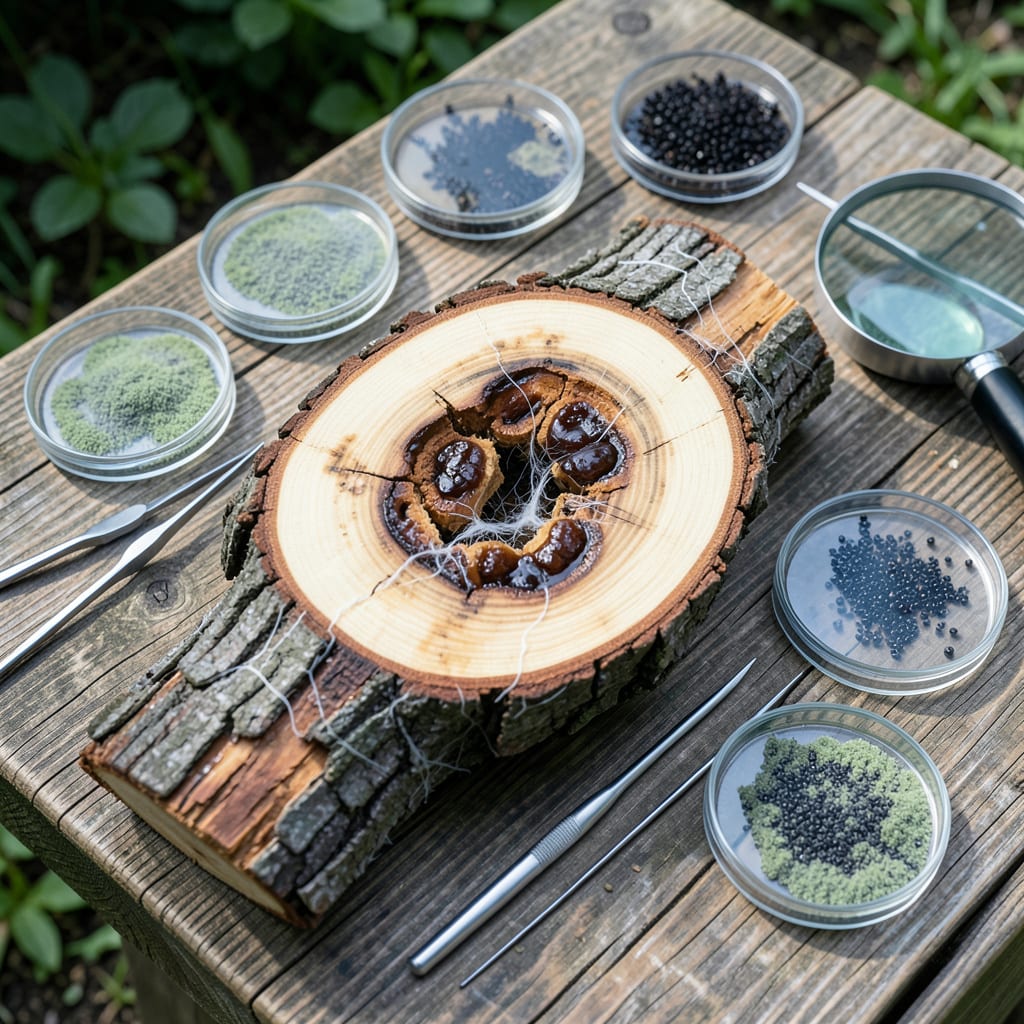
Your pine’s trunk tells a story before the branches do. I’ve caught more than one pine tree issue early by spotting the subtle changes—dark patches, oozing sap, or bark that flakes like old paint.
Most trunk diseases start with stress: drought, poor soil, or a wound that never healed. The fixes aren’t complicated, but timing matters. A little observation now saves you a dying tree later.
You’ll learn to spot the warning signs before they spread—cankers, blight, or root rot—and the cultural tweaks that stop them in their tracks.
Works for backyard pines, windbreaks, or heritage trees. Here’s how to keep them standing tall.
Pine tree trunk diseases often stem from a mix of environmental stressors, pathogenic attacks, and poor cultural practices. Understanding the why behind these issues is the first step toward prevention and treatment.
Many trunk diseases, like Pine Wilt or Canker Diseases, are caused by fungi such as Ophiostoma or Diplodia. These pathogens thrive in moist, poorly ventilated conditions, entering through wounds or stressed bark. Fungi spread via spores, often carried by insects (e.g., bark beetles) or rain splash. Actionable tip: Prune during dry seasons and sterilize tools to minimize infection risks.
Drought, extreme temperatures, or soil compaction weaken a pine’s defenses, making it vulnerable to diseases. For example, root rot (e.g., Armillaria) flourishes in waterlogged soils, while sunscald cracks bark under sudden temperature swings. Actionable tip: Mulch to retain moisture and insulate roots, and avoid over/under-watering.
Improper planting depth, mechanical damage (e.g., lawnmower injuries), or excessive fertilization can create entry points for pathogens. Wounds expose the cambium layer, inviting bacteria and fungi. Actionable tip: Plant pines at the correct depth (root flare visible) and avoid damaging the trunk with equipment.
Bark beetles and woodborers don’t just damage trees—they transport disease-causing organisms. For instance, the Mountain Pine Beetle carries Bluestain Fungus, which clogs the tree’s vascular system. Actionable tip: Monitor for early pest signs (e.g., boreholes, sawdust-like frass) and remove infested trees promptly.
Tackling pine tree trunk diseases starts with identifying the cause and applying the right fix. Here’s a practical guide to common problems and their solutions:
For canker diseases or root rot, prune infected branches with sterilized tools (dip in rubbing alcohol between cuts). Remove heavily infected trees to prevent spread. Prevention tip: 💡 Improve airflow by spacing trees properly and avoid overhead watering to keep foliage dry.
Bark beetles and wood borers weaken trunks, making them prone to disease. Apply horticultural oil or insecticidal soap to affected areas. For severe cases, consult an arborist for systemic treatments. Prevention tip: 🎯 Keep trees healthy with regular watering and mulching to deter pests naturally.
Compacted or waterlogged soil suffocates roots, leading to trunk stress. Aerate the soil and mix in organic compost to improve drainage. Test soil pH—pines prefer slightly acidic (5.0–6.0). Prevention tip: ✨ Avoid planting in low-lying areas where water pools.
Wounds from lawnmowers or animals invite pathogens. Clean cuts with a 10% bleach solution, then cover with tree wound dressing. Prevention tip: 🌡️ Install protective barriers (e.g., tree guards) and trim grass around the base carefully.
Early action is key! Combine these fixes with regular inspections to keep your pines thriving. 🌲
Look for dark, sunken patches, oozing sap, or bark that peels like paper. These often signal canker or fungal infections. Early detection allows faster treatment.
Yes, waterlogged soil leads to root rot, which weakens the trunk. Ensure proper drainage and avoid letting water pool around the base.
Inspect trees regularly for boreholes or sawdust-like frass. Remove infested branches and apply horticultural oil as needed.
Prune infected areas with sterilized tools and apply a 10% bleach solution to cuts. Severe cases may require professional removal.
