
Beautiful Plants For Your Interior
Beautiful Plants For Your Interior
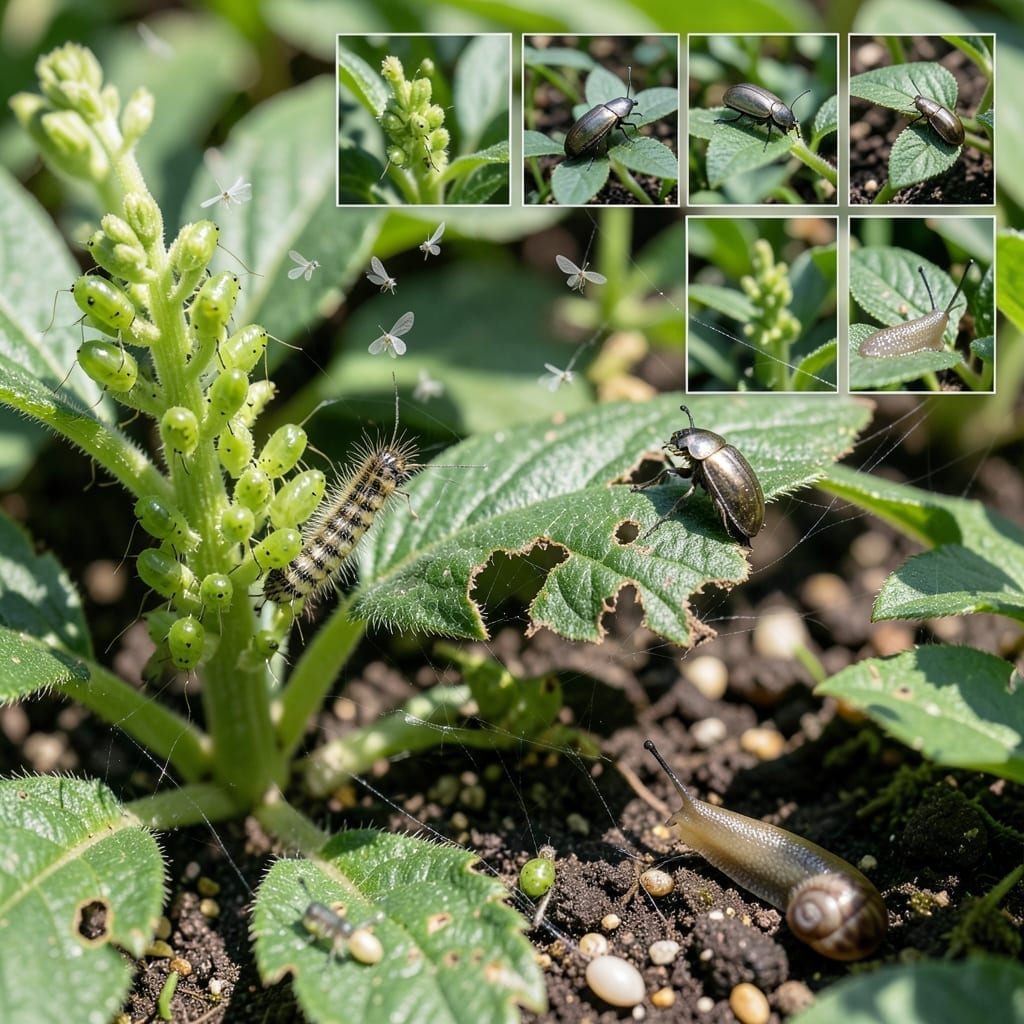
One glance at your leaves tells the whole story. I spent years misdiagnosing pest problems until I started keeping a visual reference of the usual suspects and their calling cards.
Chewed edges, sticky residue, or tiny webbing—each sign points to a different culprit. The key is catching them early before they multiply and overwhelm your plants.
With the right images and descriptions, you can identify pests in seconds rather than guessing for days. Most infestations start small and stay manageable if you act fast.
Works for vegetable gardens, flower beds, and container plants alike. Here’s how to spot them before they spread.
Garden pests don’t appear out of nowhere—they’re drawn in by specific conditions. Understanding these causes helps you prevent infestations before they start.
Weak or stressed plants emit chemical signals that attract pests like aphids and beetles. Overwatering, nutrient deficiencies, or compacted soil create an open invitation. Action: Strengthen plants with balanced fertilization and proper drainage.
Decaying leaves, fallen fruit, or untended mulch provide shelter and food for pests like slugs and earwigs. Action: Clear garden debris regularly and maintain clean growing spaces.
Warm, humid environments accelerate pest reproduction. Many insects, such as whiteflies and spider mites, thrive in these conditions. Action: Use row covers or shade cloth to moderate temperature and humidity.
Pesticides can kill beneficial insects (like ladybugs and lacewings) that keep pest populations in check. Action: Reduce chemical use and introduce natural predators to restore balance.
Dealing with garden pests doesn’t have to be a losing battle. Here’s how to tackle the most common invaders with simple, effective fixes—and keep them from coming back.
Use a strong spray of water from your hose to knock aphids off plants. For stubborn infestations, apply insecticidal soap or neem oil. Prevention tip: 💡 Introduce ladybugs, their natural predators, or plant aphid-repelling companions like marigolds or garlic.
Create a barrier with copper tape around planters or sprinkle diatomaceous earth around plants. Beer traps also work—bury a shallow dish filled with beer at soil level. Prevention tip: 🌡️ Water in the morning so soil dries by evening, as these pests thrive in damp conditions.
Spider mites love dry conditions. Mist plants regularly or use a humidity tray. For active infestations, wipe leaves with a damp cloth or spray with neem oil. Prevention tip: ✨ Keep plants well-hydrated and avoid over-fertilizing, which can attract mites.
Check leaves daily and remove caterpillars by hand (drop them in soapy water). For larger outbreaks, apply Bacillus thuringiensis (Bt), a natural bacterial spray. Prevention tip: 🎯 Encourage birds and parasitic wasps by planting native flowers.
Hang yellow sticky traps near affected plants to catch adult whiteflies. Spray leaves with insecticidal soap to disrupt their lifecycle. Prevention tip: 🌿 Use reflective mulch to disorient them and plant basil or nasturtiums as deterrents.
Look for visible damage patterns first. Tiny holes suggest flea beetles, while sticky residue often means aphids. Webbing indicates spider mites, and chewed leaf edges point to caterpillars or slugs.
Early morning or late evening when temperatures are cooler. Many pests, like slugs and aphids, are most active during these times. Inspect the undersides of leaves where they often hide.
No, many are beneficial! Ladybugs, lacewings, and parasitic wasps prey on harmful pests. Only about 5-10% of garden insects are actually damaging to plants.
A spray of water removes aphids, while a beer trap catches slugs. Neem oil or insecticidal soap work for many soft-bodied pests. Always test on a small area first.