
Beautiful Plants For Your Interior
Beautiful Plants For Your Interior
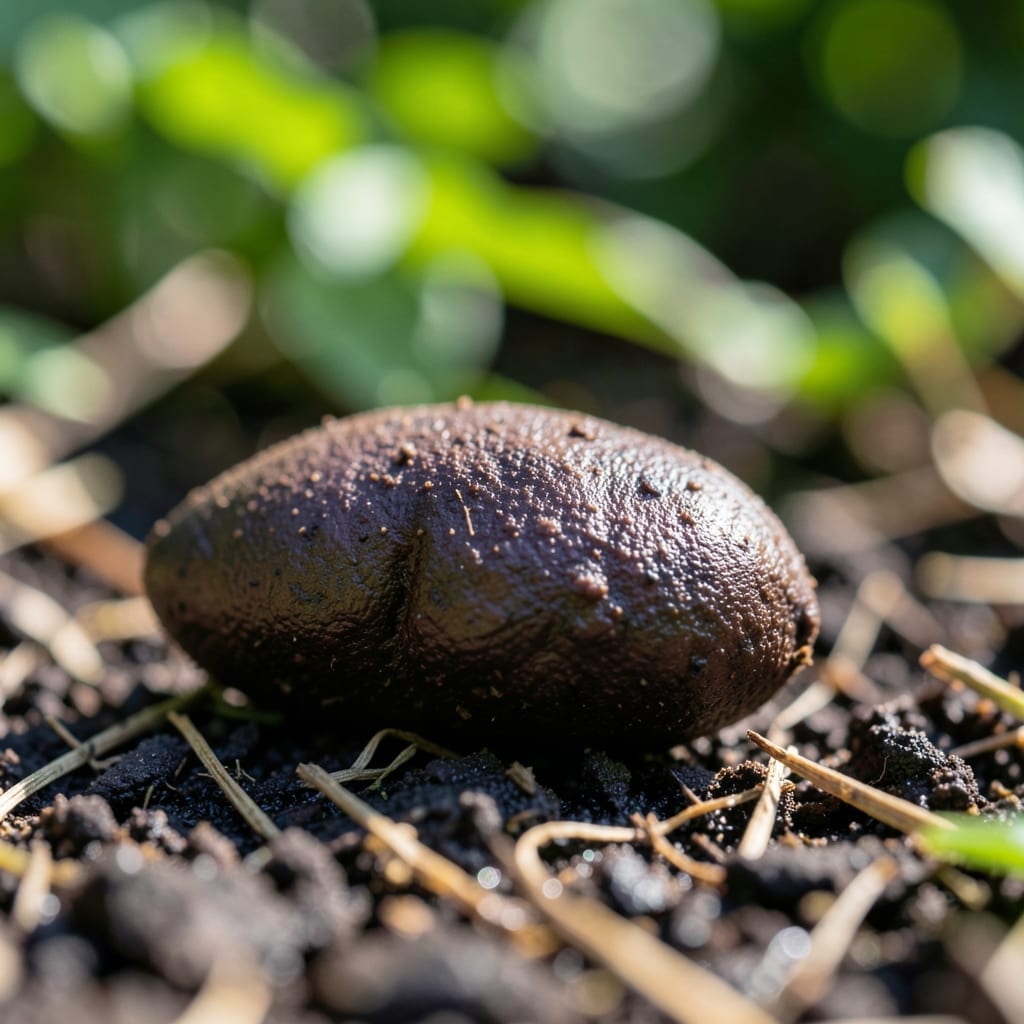
Spotting deer droppings in your yard can tell you more than you think. I’ve learned that these small pellets reveal deer activity, diet, and even how often they visit your garden.
Unlike other wildlife scat, deer poop is distinct—usually in small, oval clusters. The size and shape change with their diet, from tiny pellets in winter to larger, softer clusters in spring when they’re feeding on fresh greens.
Identifying it helps you understand their behavior and take action if they’re damaging your plants. You’ll notice it most often along trails, near feeding areas, or close to water sources.
This visual guide makes it simple to confirm what you’re seeing and decide your next steps. No guesswork, just clear answers.
Deer poop, or scat, appears in your yard or woods for several natural and environmental reasons. Understanding these causes helps you identify patterns and even manage deer activity. Here’s why it happens:
Deer are herbivores, and their diet of leaves, twigs, fruits, and grasses directly affects their scat. High-fiber plant material is harder to digest, so deer produce small, pellet-like droppings. In seasons with abundant soft vegetation (like spring and summer), their poop may be looser or clumped. This is a normal part of their digestive efficiency.
Deer use scat to communicate. Bucks and does may deposit droppings in scrapes (shallow depressions in the ground) or along trails to mark territory. This behavior is more common during mating season (fall) when bucks are establishing dominance. The poop acts as a chemical signal to other deer.
Deer are creatures of habit. They follow the same trails between feeding and bedding areas, often stopping to defecate in consistent spots. This creates clusters of pellets in high-traffic zones. If you’re seeing frequent scat in one area, it’s likely part of their daily route.
Water intake changes the consistency of deer poop. In dry periods, droppings are hard and pelletized. After rain or near water sources, the scat may appear softer or even semi-liquid. This variation is normal and reflects their adaptive hydration strategies.
Deer scat in your yard or garden can be more than just an eyesore—it may signal unwanted visitors or even health risks. Here’s how to tackle the issue based on common causes, plus simple prevention tips to keep your space clean and deer-free.
If deer are feasting on your plants and leaving droppings behind, install physical barriers like fences (at least 8 feet tall) or use deer-resistant plants like lavender, marigolds, or barberry. For a quick fix, try commercial repellents with putrescent eggs or hot pepper—reapply after rain.
Deer often return to the same spots. Remove attractants like fallen fruit, bird feeders, or unsecured trash. Motion-activated sprinklers or lights can startle them away without harm. For a natural deterrent, plant clover or tall grasses in perimeter areas—they dislike the texture.
Always wear gloves and use a shovel or bag to pick up droppings—never bare hands. Disinfect the area with a bleach solution (1 part bleach to 10 parts water) to kill bacteria or parasites. Wash hands thoroughly afterward.
With these steps, you’ll reduce deer traffic and keep your outdoor space clean and safe! ✨
Deer scat is typically in small, oval pellets, often in clusters. Unlike rabbit or squirrel droppings, they’re slightly larger and lack a shiny coating. In warmer months, the pellets may clump together due to softer diet.
No, always avoid direct contact. Wear gloves and use a tool to pick it up. Deer scat can carry bacteria like E. coli or parasites, so proper disposal and handwashing are essential.
Check along trails, near feeding areas, or close to water sources. Deer often defecate in the same spots, creating noticeable clusters. Look under trees or shrubs where they bed down.