
Beautiful Plants For Your Interior
Beautiful Plants For Your Interior
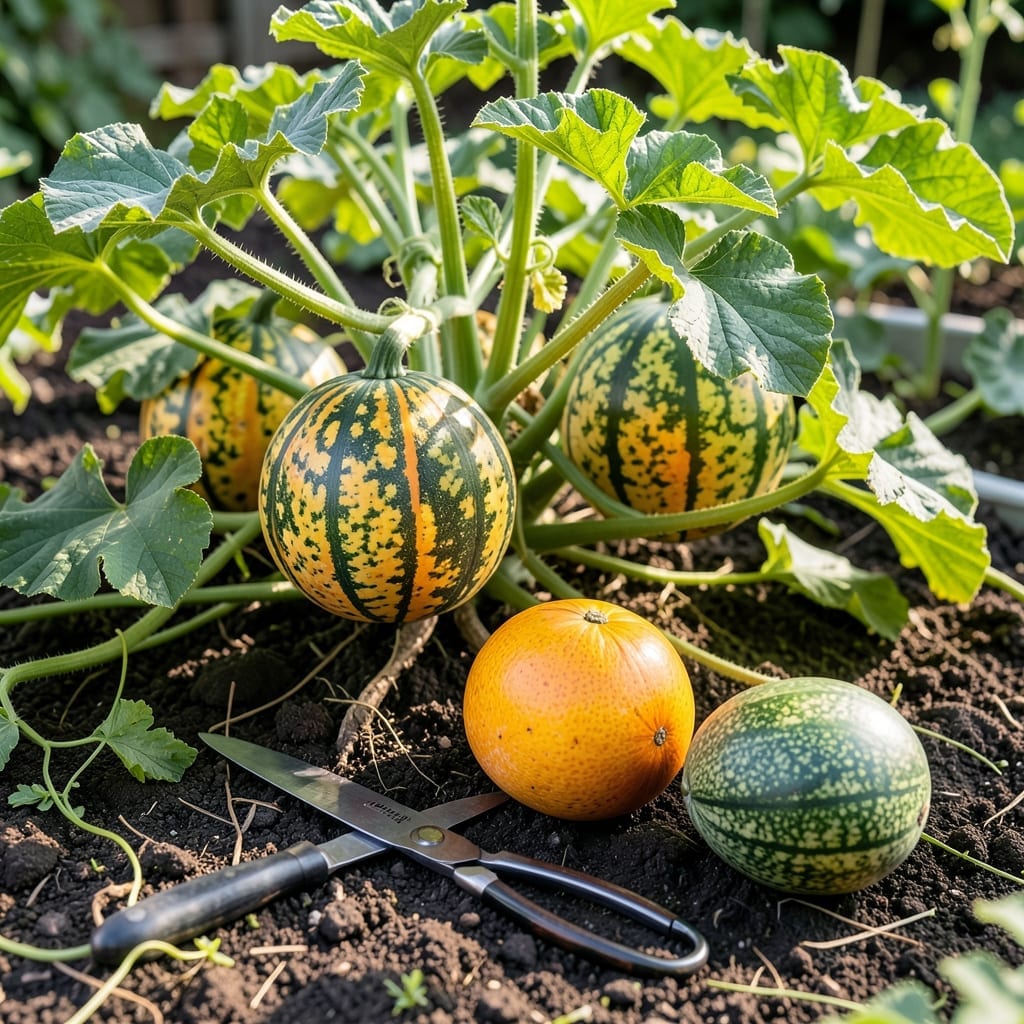
There’s nothing quite like the satisfaction of harvesting a perfectly ripe 🍈 Picasso Melon from your own garden. But knowing the exact moment to pick can feel like a guessing game.
I remember the first time I left a melon on the vine too long, only to find it overripe and mushy. That’s when I learned that timing is everything with these unique fruits.
What if you could confidently tell when your melons are at their peak of sweetness and texture? I’ll show you the subtle signs that most gardeners overlook.
Discover how to read the visual, tactile, and aromatic cues that signal your Picasso Melon is ready for harvest. Let’s make this your most successful growing season yet.
Harvesting a Picasso Melon at peak ripeness ensures the best sweetness and texture. These melons develop subtle changes that signal they’re ready for picking.
I’ve found that the most reliable indicators are visual, tactile, and aromatic cues. Let me walk you through each one so you never miss the perfect harvest window again.
| Sign | Description | Ripeness Stage |
|---|---|---|
| Stem Separation | Easily detaches from vine | Ready |
| Rind Color | Yellow/cream with green mottling | Near Ready |
| Aroma | Sweet, fruity scent at stem | Ready |
| Rind Texture | Slightly soft when pressed | Ready |
| Netting Development | Prominent, raised webbing | Mature |
The stem slip test is my go-to method. When the stem detaches easily with gentle pressure, your melon is ready. This happens because the fruit naturally separates from the vine as it ripens.
Another key sign is the rind color transformation. Picasso melons develop a yellow or cream base color with green mottling when approaching ripeness. The netting also becomes more pronounced.
Don’t overlook the aroma. A ripe Picasso melon emits a sweet, fruity scent at the stem end. If you don’t smell anything, it’s not ready yet.
The rind texture changes too. When ripe, it should give slightly under gentle pressure. Compare it to the feel of a ripe avocado – not too hard, not too soft.
I recommend checking your melons daily as they approach maturity. The transition from not-ready to perfectly ripe can happen in just a day or two, especially in warm weather.
Remember that size alone isn’t a reliable indicator. Picasso melons typically reach 2-4 pounds at maturity, but the color and texture changes are more important.
For the best results, harvest in the morning when temperatures are cooler. This helps preserve the melon’s freshness and flavor during storage.
By combining these visual, tactile, and aromatic cues, you’ll never have to guess about your Picasso melon’s ripeness again. Your taste buds will thank you! 🌱
Even experienced gardeners sometimes misjudge Picasso Melon ripeness. The most common error is picking based on size alone, which can lead to underripe fruit.
I’ve seen many gardeners wait too long for the perfect color, only to find their melons overripe. The color transition happens quickly, so daily checks are crucial.
Picking too early: Stem won’t detach, rind stays hard
Waiting too long: Melon softens, aroma becomes overpowering
Ignoring the slip test: Most reliable indicator of ripeness
The slip test is your best tool. If the stem doesn’t detach with gentle pressure, walk away and check again tomorrow. Forcing it off can damage the vine.
Another mistake is harvesting in heat. Pick your melons in the morning when it’s cooler to preserve freshness and prevent premature softening.
Don’t be fooled by uneven coloring. Picasso melons naturally have green mottling even when ripe. Focus on the base color change to yellow or cream.
I recommend keeping a garden journal to track your melons’ progress. Note the first color changes and check daily from that point. This helps you learn your garden’s specific timeline. 🌱