
Beautiful Plants For Your Interior
Beautiful Plants For Your Interior
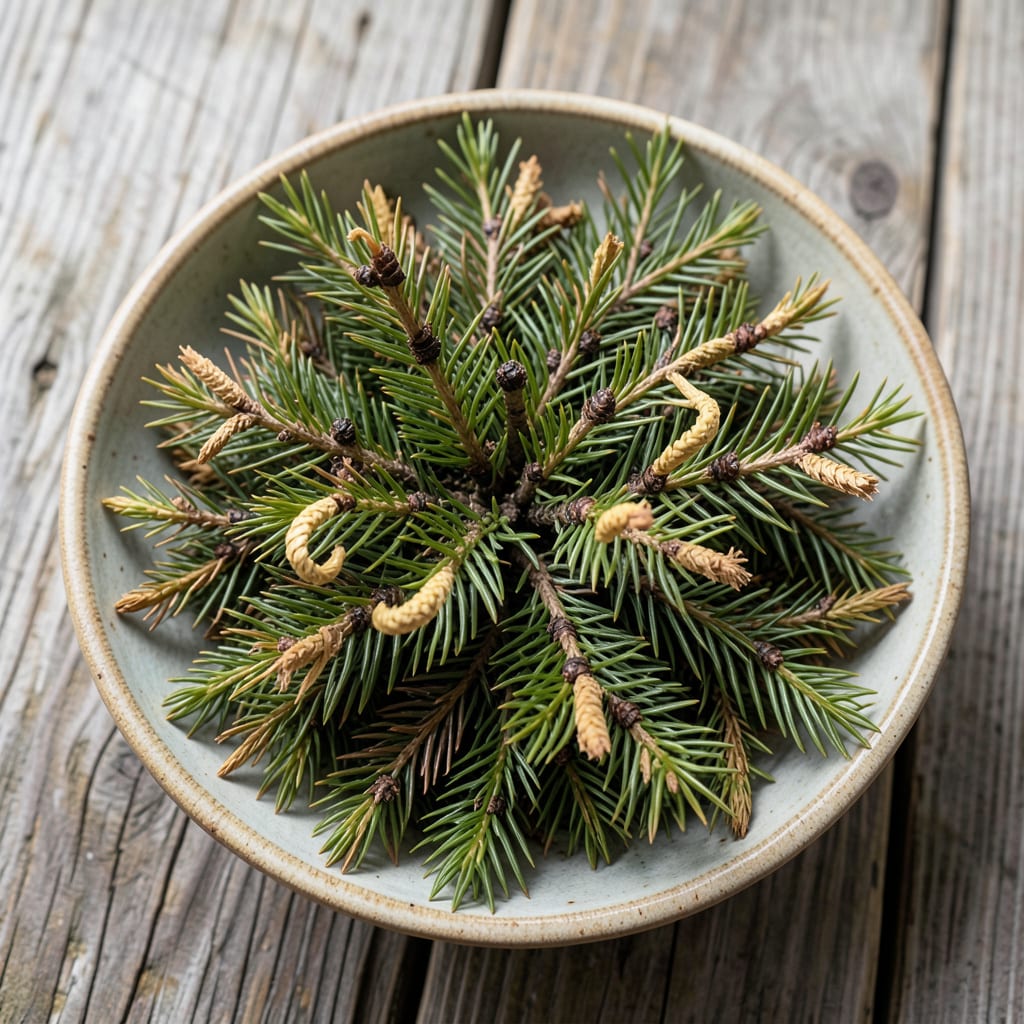
I first noticed something was wrong when my junipers started turning brown from the tips inward. 🌿 Phomopsis blight strikes during wet springs, leaving your evergreens looking like they’ve been scorched.
Dark lesions on needles and stems are the telltale signs. This fungus thrives in cool, damp conditions, spreading quickly through splashing water or contaminated pruners.
Left unchecked, it can defoliate entire sections. The good news? You can stop its spread with proper sanitation and timely treatment. I saved mine with a few simple adjustments.
Early action makes all the difference. Here’s what worked for me and how you can protect your plants too.
Phomopsis blight of juniper is primarily caused by the fungal pathogen Phomopsis juniperovora. Understanding the conditions that promote its development is key to preventing outbreaks. Below are the main triggers:
The fungus thrives in wet, humid environments. Overhead irrigation, prolonged rainfall, or poor soil drainage create ideal conditions for spore germination and infection. Juniper foliage that remains wet for 48+ hours is especially vulnerable. Standing water or compacted soil further exacerbates the problem by stressing the plant.
Phomopsis juniperovora is most active in moderate temperatures between 60–75°F (15–24°C). These conditions accelerate fungal growth and spore release, particularly during spring and fall. Warm, wet springs are high-risk periods for infection.
Stressed junipers—whether from drought, nutrient deficiencies, or root damage—are more susceptible to infection. Weak plants lack the vigor to fend off the pathogen. Improper pruning (e.g., using contaminated tools) can also introduce spores directly into healthy tissue.
Dense plantings or overgrown junipers restrict airflow, trapping moisture and creating a microclimate that favors fungal spread. Pruning to improve ventilation and spacing plants appropriately reduces this risk.
The pathogen overwinters in infected plant debris or cankered branches. Spores released from these sources can reinfect healthy tissue, especially during wet weather. Failing to remove and destroy infected material perpetuates the cycle.
Phomopsis blight can be managed effectively with the right approach. Here’s how to tackle each cause and restore your juniper’s health.
Prune and dispose of all infected branches immediately to prevent the fungus from spreading. Sterilize pruning tools with rubbing alcohol between cuts to avoid contamination. Burn or bag the infected material—never compost it, as the fungus can survive.
Thin out dense foliage to allow better airflow, reducing moisture buildup. Space junipers at least 6–8 feet apart. Ensure the soil drains well—amend heavy clay with organic matter like compost. Avoid overhead watering; use a soaker hose at the base instead.
For severe infections, apply a copper-based fungicide or one labeled for Phomopsis (e.g., chlorothalonil or propiconazole). Follow label instructions carefully. Treat in early spring before new growth appears and reapply every 2–3 weeks during wet seasons.
Keep junipers vigorous with proper care: water deeply but infrequently, fertilize lightly in spring, and mulch to retain moisture. Avoid high-nitrogen fertilizers, which promote tender growth more susceptible to disease.
Look for dark lesions on needles and stems. Tips may turn brown and die back. These symptoms often appear first on lower branches and spread upward during wet conditions.
Treat in early spring before new growth appears. This timing helps prevent spores from spreading. Reapply fungicide every 2-3 weeks during wet seasons for best results.
No, never compost infected material. The fungus can survive composting and reinfect plants. Burn or bag the debris to prevent further spread.
A copper-based fungicide works well. Chlorothalonil or propiconazole are also effective options. Always follow label instructions carefully.
