
Beautiful Plants For Your Interior
Beautiful Plants For Your Interior
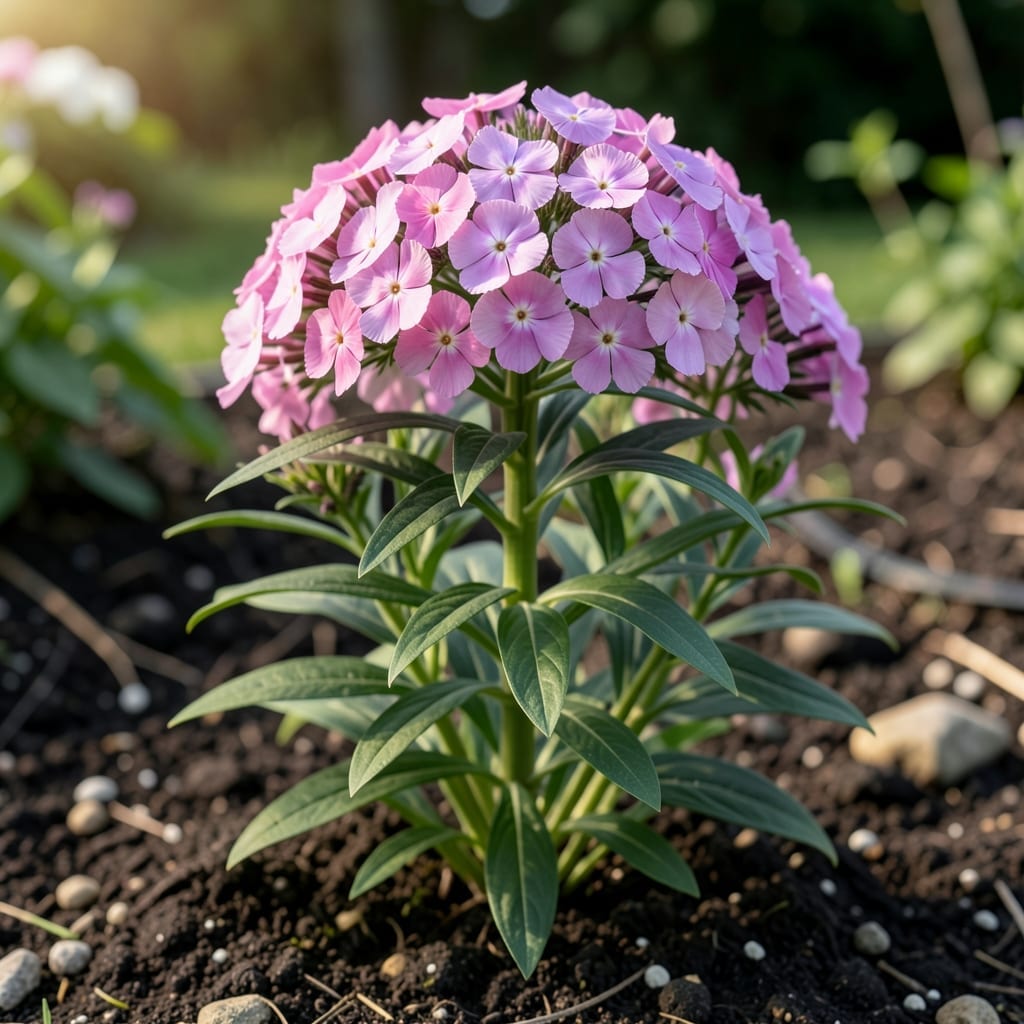
Phlox brings vibrant color and sweet fragrance to any garden, but getting the sunlight right is the key to lush blooms.
Whether you’re growing tall garden 🌸 Phlox or creeping varieties, their sun needs vary more than you might expect.
I’ve seen gardens where these beauties thrive in full sun and others where they flourish in partial shade. The difference often comes down to the specific type you’re growing.
Discover how to match your Phlox to the perfect light conditions for a stunning, long-lasting display.

I’ve found that phlox sun requirements vary by type, but most thrive with ample light. Tall garden phlox loves full sun, while creeping phlox tolerates partial shade. Getting this right ensures vibrant blooms.☀️
In my experience, woodland phlox prefers dappled sunlight, making it ideal for shady spots. Each variety has unique needs, so matching them to your garden’s light is key.🌿
| Variety | Daily Sun Needs | Ideal Conditions |
|---|---|---|
| Tall Garden Phlox | 6-8 hours | Full sun, well-drained soil |
| Creeping Phlox | 4-6 hours | Partial sun, tolerates shade |
| Woodland Phlox | 2-4 hours | Dappled light, moist soil |
I always recommend morning sun for phlox, as it dries dew quickly, reducing disease risk. Afternoon shade can protect delicate petals from scorching in hot climates.🌻
For tall garden phlox, I’ve seen the best results with 6-8 hours of direct sunlight. This encourages strong stems and abundant flowers. Just ensure the soil stays moist.💧
Creeping phlox is more adaptable, thriving with 4-6 hours of sun. It’s perfect for rock gardens or slopes where light varies throughout the day.✂️
Woodland phlox is my go-to for shady areas. It only needs 2-4 hours of gentle sunlight, making it ideal under trees or along north-facing walls.🌳
If your garden has mixed light, try planting different phlox varieties together. This way, you can enjoy blooms from early spring to late summer.🌷
I’ve noticed that too much shade leads to leggy growth and fewer flowers. If your phlox looks sparse, consider relocating it to a sunnier spot.☀️
In hotter regions, afternoon shade can prevent wilting. I often use taller plants to create natural shade for my phlox during peak sun hours.🪴
I’ve learned that phlox plants are pretty vocal about their sunlight needs—they show clear signs when they’re unhappy. If your garden phlox looks leggy or sparse, it’s likely begging for more light. ☀️
When creeping phlox fails to form a dense mat or produces fewer flowers, insufficient sun is often the culprit. Even woodland phlox, which tolerates shade, will struggle in deep shadow with weak growth. 🌱
I always check my phlox beds in the early afternoon—this is when sun stress is most visible. If leaves appear crispy or curled, it’s time to provide some afternoon shade, especially in hot climates. 🌡️
For creeping phlox, I’ve found that morning sun with afternoon shade works wonders. This combo prevents heat stress while ensuring enough light for vibrant blooms. Try it!
A simple fix for leggy phlox is relocating it to a sunnier spot or trimming nearby plants casting too much shade. I’ve rescued many phlox this way, and they bounced back quickly. ✂️
Remember, woodland phlox thrives in dappled sunlight, like under tall trees. If yours looks sad, mimic its natural habitat for the best results. Watch it flourish! 🌳