
Beautiful Plants For Your Interior
Beautiful Plants For Your Interior
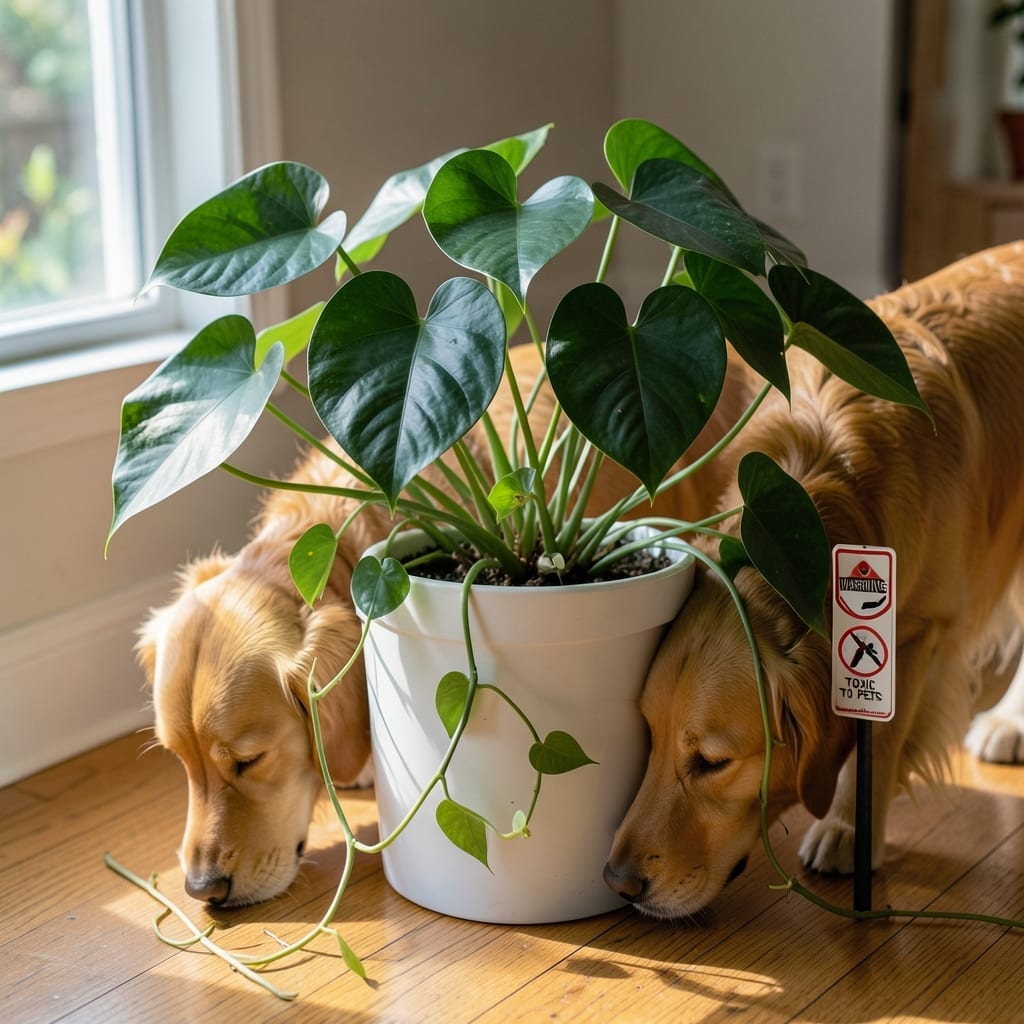
That beautiful 🌿 Philodendron in your living room might be hiding a dangerous secret. As a dog owner, what you don’t know about this popular houseplant could put your furry friend at serious risk.
I was shocked to discover how common plant-related pet emergencies are. The good news? With the right knowledge, you can prevent a potential disaster before it happens.
In the next few minutes, I’ll walk you through exactly what makes Philodendrons so risky for dogs. You’ll learn to spot the warning signs fast and know exactly when to spring into action.
More importantly, I’ll share practical tips to keep your home both stylish and safe. Your pup’s well-being might depend on these simple but crucial changes.
As a gardener and pet owner, I know philodendrons are stunning additions to any home. But these tropical vines contain calcium oxalate crystals, which can cause severe reactions in dogs if ingested.
These needle-shaped crystals embed in your dog’s mouth, throat, and digestive tract, causing immediate irritation and swelling. Even small amounts can lead to serious discomfort or worse.
| Toxic Compound | Effect on Dogs | Severity |
|---|---|---|
| Calcium Oxalate | Oral irritation, drooling, vomiting | High |
| Oxalic Acid | Kidney issues, difficulty swallowing | Moderate |
| Plant Sap | Skin irritation, paw licking | Low |
If your dog nibbles a philodendron leaf, watch for excessive drooling or pawing at the mouth. These are the first signs of oral irritation from the crystals.
More severe philodendron poisoning symptoms include vomiting, diarrhea, or difficulty swallowing. Some dogs may even show swollen lips or tongue, making it hard to eat or drink.
In extreme cases, the swelling can block your dog’s airway, leading to breathing difficulties. This is rare but requires immediate veterinary care to prevent life-threatening complications.
I’ve learned that all philodendron varieties—whether heartleaf, split-leaf, or monstera—contain these toxins. Even the popular ‘Hope’ philodendron is unsafe for pets.
Dogs are naturally curious and may chew on plants out of boredom or attraction to the movement of leaves. Puppies and younger dogs are at higher risk due to their exploratory nature.
If you suspect your dog has ingested any part of a philodendron, act fast. The sooner you remove the plant material and seek help, the better the outcome for your furry friend.
Prevention is key, so I always keep philodendrons in hanging baskets or on high shelves where my dogs can’t reach them. It’s a simple step that can save a lot of worry.
Remember, even dried philodendron leaves can remain toxic, so dispose of fallen foliage promptly and securely.
As a dog owner, I know how hard it is to resist bringing home a gorgeous philodendron. But I’ve learned that keeping pets safe means being proactive about plant placement and choices.
Start by placing all philodendron plants in areas your dog can’t access, like high shelves or hanging planters. Even curious pups can’t jump that high! 🌿
Another smart move is using physical barriers like baby gates or decorative fencing. I’ve seen many creative DIY solutions that blend seamlessly with home decor while keeping pets away.
Consider training your dog to avoid plants altogether. With consistent reinforcement, most dogs learn to steer clear of greenery. Positive reinforcement works wonders here!
For the ultimate peace of mind, I recommend swapping out philodendrons for dog-safe plants like spider plants, Boston ferns, or parlor palms. They’re just as beautiful and completely non-toxic.
Remember that some philodendron varieties are more toxic than others. The heartleaf philodendron and split-leaf philodendron contain the highest concentrations of calcium oxalate crystals. 🌱
Regularly inspect your home and yard for any fallen leaves or stems. Even small amounts can cause issues, so quick cleanup is essential for your dog’s safety.