
Beautiful Plants For Your Interior
Beautiful Plants For Your Interior
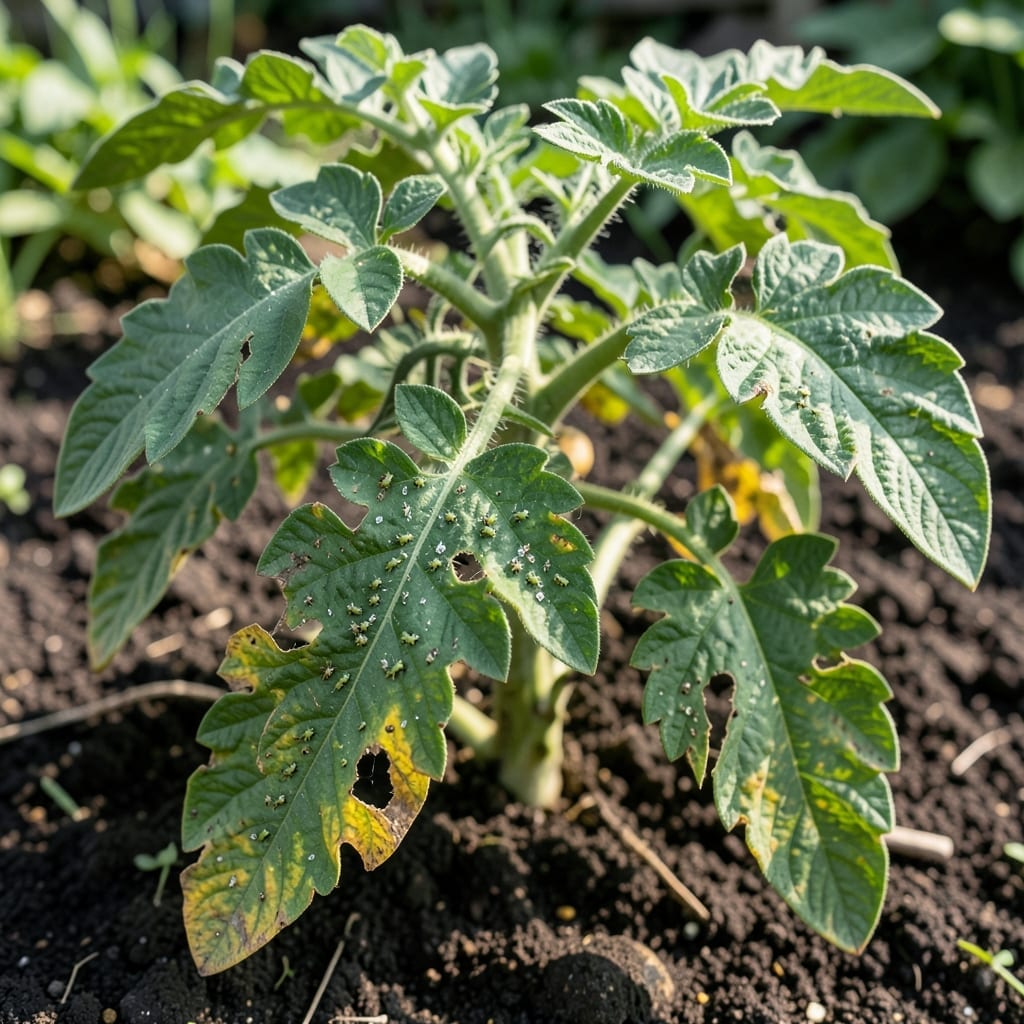
Spotted the first holes in your leaves this morning. I know that sinking feeling—tiny invaders can turn a thriving garden into a buffet overnight.
Here’s the thing—most leaf pests leave distinct calling cards. Chewed edges mean beetles, sticky residue signals aphids, and webbing screams spider mites. Identify the culprit first, then strike with targeted organic solutions.
Neem oil, insecticidal soap, or even a strong jet of water can stop most infestations in their tracks. The key is catching them early before they multiply and spread to neighboring plants.
Prevention beats treatment every time. Healthy soil, proper spacing, and regular inspections keep your garden resilient against these inevitable visitors.
Understanding why pests appear on your plant leaves is the first step to effective prevention and treatment. Here are the primary causes:
Plants under stress—due to drought, overwatering, or poor soil conditions—become more vulnerable to pests. Weakened plants release chemical signals that attract insects like aphids and spider mites. Ensuring optimal growing conditions (proper watering, sunlight, and nutrient balance) can significantly reduce infestation risks.
Monoculture gardens (growing only one type of plant) create an ideal environment for pests to thrive. Without natural predators (e.g., ladybugs, lacewings) to keep populations in check, pests like whiteflies and scale insects multiply rapidly. Introducing companion plants (e.g., marigolds, basil) can restore balance and deter pests naturally.
Fallen leaves, decaying plant matter, and weeds provide hiding spots and breeding grounds for pests. Regularly removing debris and practicing crop rotation disrupts pest life cycles. Sanitize tools and pots to prevent spreading eggs or larvae between plants.
Warm, humid weather accelerates the reproduction of many pests (e.g., thrips, mealybugs). Conversely, cold snaps can weaken plants, making them more susceptible. Monitor seasonal patterns and adjust care routines—like increasing airflow in greenhouses—to mitigate these risks.
Pests often hitch a ride on newly purchased plants or contaminated soil. Always inspect new additions for signs of pests (e.g., sticky residue, webbing) and quarantine them for 1–2 weeks before introducing them to your garden.
Dealing with pests on your plant leaves can be frustrating, but these targeted solutions will help you reclaim healthy foliage. Below are practical fixes for common causes, along with prevention tips to keep your plants thriving.
Mix 1 tablespoon of neem oil with 1 quart of water and a few drops of dish soap. Spray the solution evenly on both sides of the leaves, focusing on the undersides where mites hide. Reapply every 5–7 days until the pests are gone. Prevention tip: 💡 Keep humidity levels up, as spider mites thrive in dry conditions.
Create a mild soap solution with 1 teaspoon of liquid dish soap per 1 quart of water. Gently wipe down the leaves with a soft cloth or spray the mixture directly onto the pests. Rinse with clean water after 15–20 minutes. Prevention tip: 🌱 Introduce beneficial insects like ladybugs to your garden—they love eating aphids!
Place yellow sticky traps near affected plants to catch adult whiteflies. For a more aggressive approach, use an insecticidal soap spray. Prevention tip: ✨ Avoid over-fertilizing, as whiteflies are attracted to the excess nitrogen in new growth.
Sprinkle a thin layer of food-grade diatomaceous earth on the soil surface. This natural powder dehydrates the larvae. Water the plant lightly afterward to help it settle. Prevention tip: 🎯 Let the top inch of soil dry out between waterings to discourage gnat eggs.
Bury a shallow container filled with beer near the plant. Slugs and snails are drawn to it and will drown. Replace the beer every 2–3 days. Prevention tip: 🌿 Create barriers with crushed eggshells or copper tape around plant bases.
Look for distinct signs: tiny holes mean beetles, sticky residue indicates aphids, and fine webbing points to spider mites. Check leaf undersides for clusters or movement.
A strong spray of water knocks off many pests immediately. For stubborn ones, use 1 tablespoon neem oil mixed with 1 quart water and a few drops of soap. Reapply weekly.
Recurring pests often signal poor garden hygiene or stressed plants. Remove debris, avoid overwatering, and introduce beneficial insects like ladybugs.
Use companion planting (like marigolds), maintain good airflow, and inspect new plants before adding them. Healthy soil is your best defense.