
Beautiful Plants For Your Interior
Beautiful Plants For Your Interior
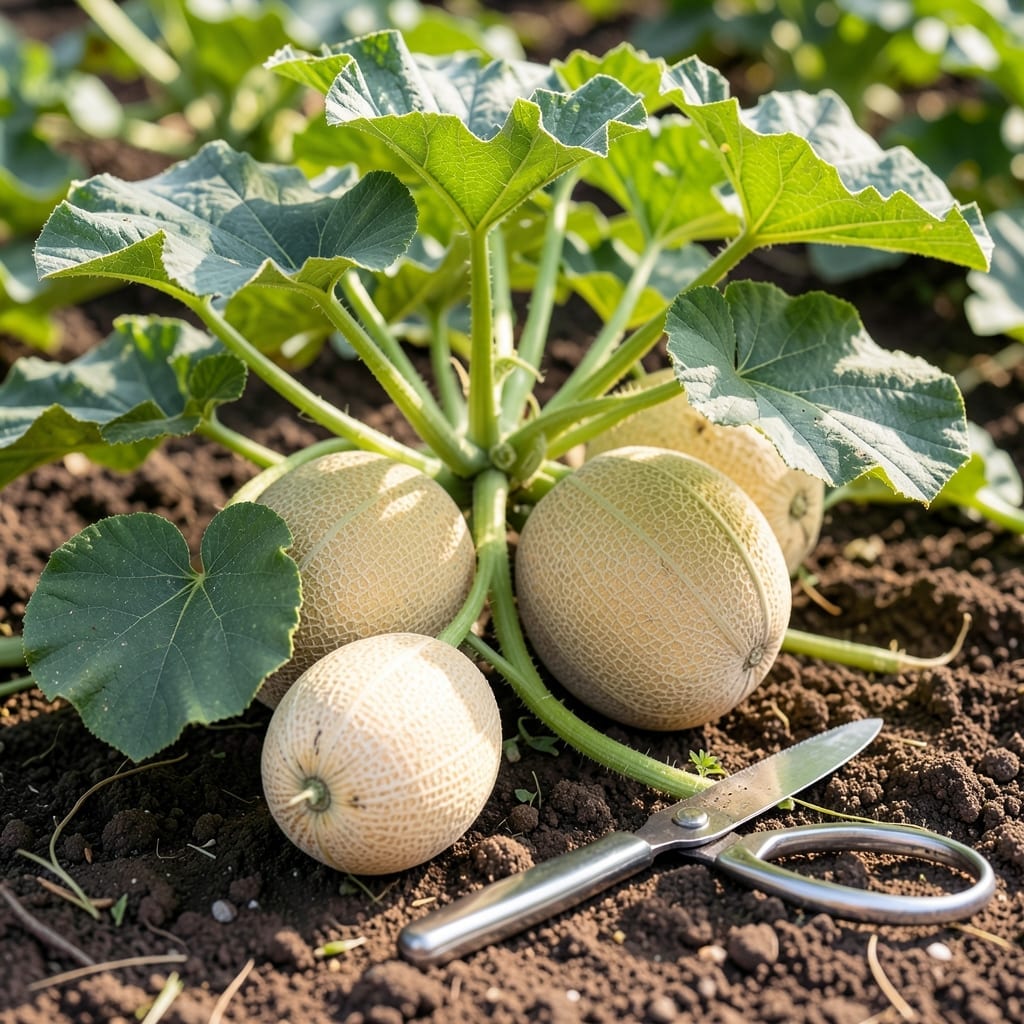
Nothing beats the sweet, juicy burst of a perfect 🍈 cantaloupe—yet picking one at peak flavor can feel like a gamble.
I remember standing in my garden, staring at my Cantaloupe vines, wondering if today was the day. The difference between a mediocre melon and an incredible one often comes down to knowing the right signs.
From the subtle shift in color to the telltale aroma, there are clear indicators that your Cantaloupe is ready. These cues are easier to spot than you might think.
Discover the field-tested signs that guarantee your next harvest will be the sweetest of the season. Let me show you exactly what to look for.


I know how frustrating it can be to bring home a cantaloupe that looks perfect but tastes underwhelming. The secret lies in mastering the 5 key ripeness indicators that nature provides. These signs ensure you’re getting the sweetest, juiciest melon every time.
First, I always check the stem end—this is the most reliable clue. A ripe cantaloupe will have a slightly indented stem end, meaning it detached naturally from the vine. If it’s still attached or flat, it’s not ready yet.
Next, I examine the rind color. An unripe cantaloupe has a greenish hue, while a ripe one shifts to a tan or cream color beneath its netting. The netting itself should look raised and coarse, not smooth.
The weight test is another giveaway. A ripe cantaloupe feels heavy for its size, indicating it’s full of juice. I compare two similar-sized melons—the heavier one is usually the riper choice.
Then comes the blossom end (opposite the stem). Gently press it with your thumb. If it yields slightly to pressure, the melon is at its peak. But be careful—if it’s too soft, it’s overripe.
Finally, I rely on my sense of smell. A ripe cantaloupe emits a sweet, musky aroma at the stem end. If there’s no smell or it’s faint, the melon isn’t ready. This scent is the sugar content signaling its ripeness.
I’ve found that combining these tests works best. No single sign guarantees perfection, but together, they’re foolproof. The stem end and aroma are my top two indicators—they’ve never let me down in the garden or at the market.
Remember, cantaloupes don’t ripen after picking, so these cues must be checked before harvest. In my garden, I start testing for ripeness about 75-85 days after planting, depending on the variety.
With practice, you’ll spot a perfect ripe cantaloupe from across the field. Trust your senses, and don’t rush the process—great flavor is worth the wait 🌱
I’ve seen even experienced gardeners make simple mistakes when picking cantaloupes. These errors often result in underripe or overripe melons, which can be disappointing after all your hard work. The good news is that most of these pitfalls are easy to avoid once you know what to look for.
One of the biggest mistakes I notice is relying solely on color. Many assume a green cantaloupe is unripe, but the rind color beneath the netting is what truly matters. A melon can look green on the surface but still be perfectly ripe underneath its webbing.
Another common error is ignoring the stem end. I can’t stress enough how important this indicator is. If the stem is still firmly attached or the area is flat, the cantaloupe isn’t ready. The full slip stage is nature’s way of telling you it’s harvest time.
Many gardeners also misinterpret soft spots. While the blossom end should yield slightly to pressure, any other soft areas might indicate overripeness or bruising. I always press gently in multiple spots to check for consistent firmness.
The smell test is often overlooked too. If there’s no sweet, musky aroma at the stem end, the melon likely isn’t ripe. I’ve found that cantaloupes with no scent are often underripe, while an overly strong smell can mean it’s past its prime.
Lastly, don’t assume bigger is better. Size doesn’t always correlate with ripeness. I focus on the combination of weight, color, and aroma rather than just picking the largest melon on the vine. In my garden, the medium-sized ones often pack the most flavor.
By avoiding these common mistakes, you’ll consistently harvest perfectly ripe cantaloupes. It’s all about paying attention to the details and trusting the natural indicators the plant provides 🌱