
Beautiful Plants For Your Interior
Beautiful Plants For Your Interior
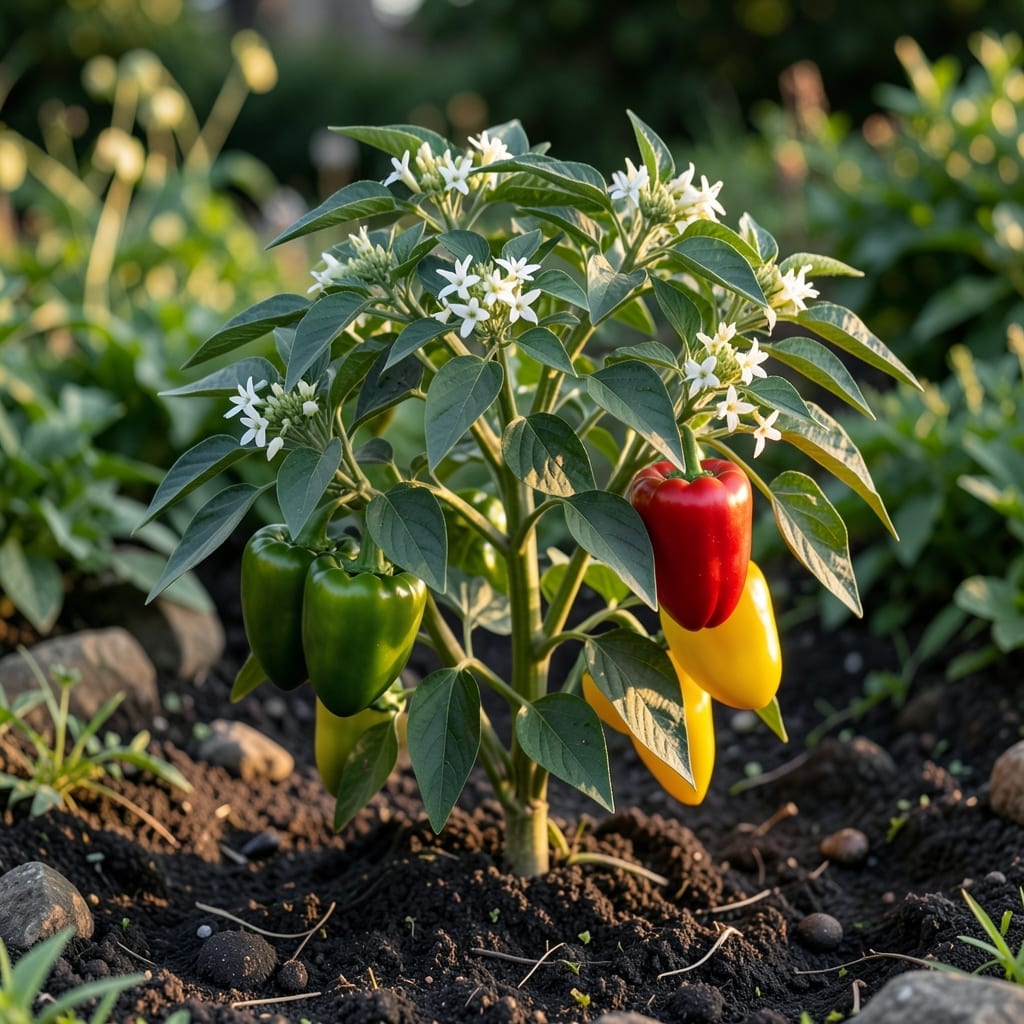
I’ve seen that black stem on my peppers before—it’s never just a bad day for the plant. It’s a red flag waving hard, usually from overwatering, disease, or sudden temperature swings that shock the system.
First, stop watering and check the roots. If they’re mushy, you’re dealing with rot. If the black spreads fast, it might be bacterial. Either way, the fix starts with cutting off the damaged parts and giving the plant a chance to dry out.
Prevention is simpler than cure: well-draining soil, consistent watering, and keeping an eye on the weather. Peppers hate wet feet and cold nights more than most plants.
Catch it early, and your plant can bounce back. Wait too long, and you’ll be starting over. Let’s save those peppers.
A blackened stem on your pepper plant is a distress signal, often tied to environmental stress, disease, or cultural mismanagement. Here’s a breakdown of the most common culprits—and how they disrupt your plant’s health.
Excess moisture suffocates roots, starving them of oxygen and creating a breeding ground for Phytophthora and Pythium fungi. These pathogens rot the stem from the soil line upward, turning it black and mushy. Action: Ensure pots have drainage holes and use well-draining soil mixes with perlite or sand.
Fungi like Alternaria or Fusarium thrive in humid, wet conditions, invading through wounds or weak tissue. They block the plant’s vascular system, causing stem dieback and blackening. Action: Improve airflow, avoid overhead watering, and apply copper-based fungicides preventatively.
Peppers are tropical plants; temperatures below 50°F (10°C) can shock their cells, leading to tissue death and blackening. Frost causes ice crystals to rupture cell walls, resulting in irreversible black stems. Action: Move plants indoors or use row covers when temperatures dip.
Sap-sucking pests like aphids and spider mites weaken stems, making them vulnerable to secondary infections. Their feeding sites can turn black as plant tissues collapse. Action: Inspect stems regularly and treat with neem oil or insecticidal soap at the first sign of pests.
Excess nitrogen promotes lush foliage at the expense of stem strength, while calcium or potassium deficiencies weaken cell walls, making stems prone to collapse and discoloration. Action: Test soil and adjust fertilization—reduce nitrogen and supplement with calcium (e.g., crushed eggshells) or potassium (e.g., wood ash).
If your pepper plant’s stem is turning black, act fast with these targeted fixes. Each solution addresses a specific cause to restore your plant’s health.
Let the soil dry out between waterings. Repot the plant in fresh, well-draining soil and a container with drainage holes. Trim any mushy, blackened roots to prevent rot from spreading.
Prevention tip: 💡 Use a moisture meter to avoid overwatering, and always empty saucers after watering.
Remove infected stems with sterilized pruners and dispose of them (don’t compost). Apply a copper-based fungicide or bacterial treatment, following label instructions. Improve airflow by spacing plants and pruning dense foliage.
Prevention tip: ✨ Water at the base of the plant to keep leaves dry, and avoid overhead irrigation.
Move potted peppers indoors or to a sheltered area if temperatures drop below 50°F (10°C). For garden plants, use row covers or cloches to protect them. Prune blackened stems to encourage new, healthy growth.
Prevention tip: 🌡️ Monitor weather forecasts and cover plants before cold snaps.
Spray stems and leaves with insecticidal soap or neem oil, focusing on the undersides of leaves. Repeat every 5–7 days until pests are gone. Wipe off visible pests with a damp cloth for small infestations.
Prevention tip: 🎯 Inspect plants regularly and introduce beneficial insects like ladybugs.
Flush the soil with water to remove excess salts from over-fertilizing. Adjust your feeding schedule—use a balanced, water-soluble fertilizer every 2–4 weeks. If deficiency is suspected, test soil pH (aim for 6.0–6.8) and amend as needed.
Prevention tip: 🌱 Follow fertilizer instructions precisely and avoid overfeeding.
Not necessarily! If caught early, pruning the affected stem and improving care can save it.
Mushy, soft stems usually mean overwatering. Dry, brittle blackening often signals disease.
Yes, if pests are the cause. Apply weekly until pests are gone, but won’t fix fungal or cold damage.
If the entire stem is black and brittle, it’s likely too late. Take cuttings from healthy growth if possible.