
Beautiful Plants For Your Interior
Beautiful Plants For Your Interior
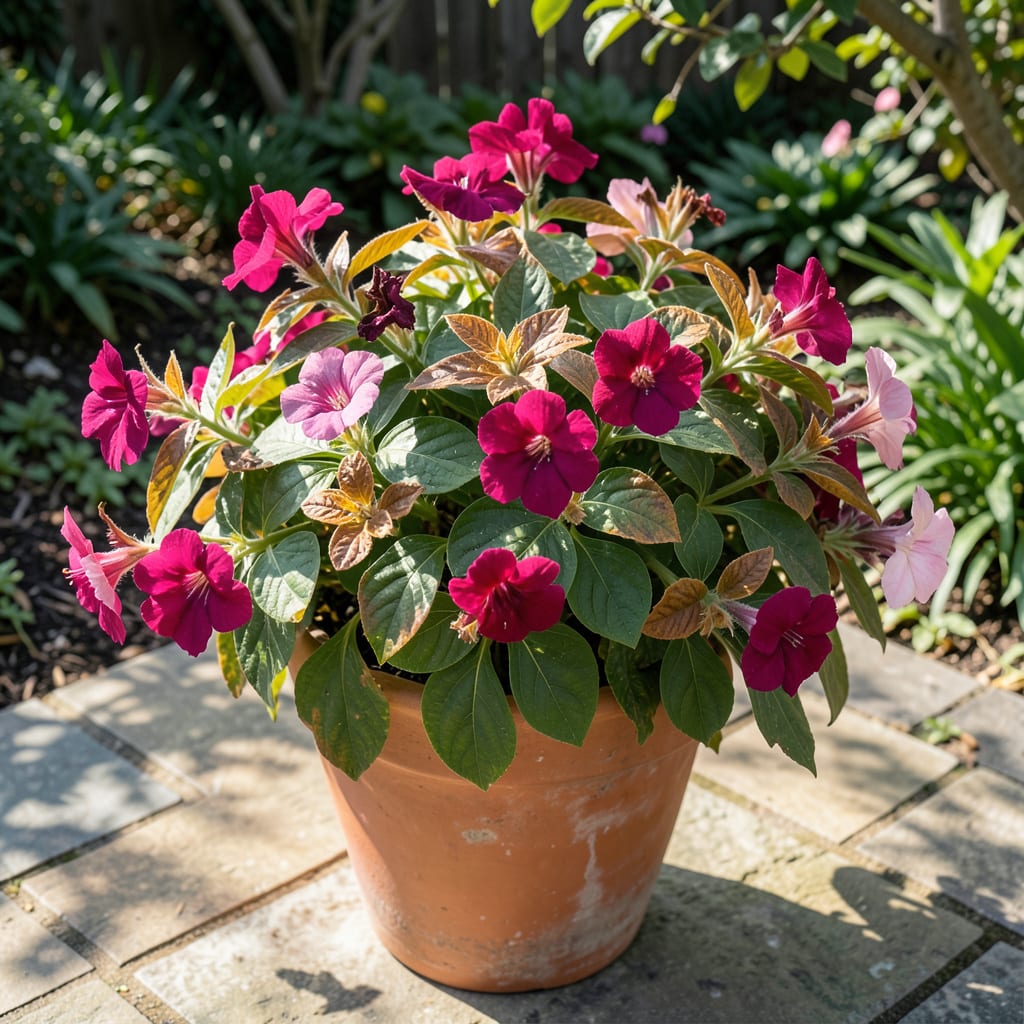
Brown leaves on your pentas aren’t just ugly—they’re a distress signal. I’ve seen this happen to mine when the soil stayed too wet for 3 days straight, and the fix was simpler than I expected.
The usual suspects are overwatering, fungal issues, or too much direct afternoon sun. Each leaves a different pattern: crispy edges for sunburn, yellowing between veins for root rot, or spots for leaf spot diseases.
You’ll notice the browning starts at the tips or edges first, then spreads inward if ignored. Catching it early means saving most of the plant with just a few adjustments to watering or location.
Works for potted pentas on patios or those planted in garden beds. Here’s how to diagnose and treat it organically.
Browning leaves on pentas can signal underlying issues that disrupt their health. Understanding the root causes helps you address them effectively.
Pentas thrive in consistently moist but well-drained soil. Underwatering causes leaves to dry out and turn crispy brown, as the plant conserves water. Conversely, overwatering suffocates roots, leading to root rot and brown, wilted foliage. Check soil moisture 1-2 inches deep—water when dry, but avoid soggy conditions.
Extreme heat or cold can shock pentas. Temperatures above 90°F (32°C) may scorch leaves, while frost or chilly drafts below 50°F (10°C) cause browning and dieback. Shield plants from harsh midday sun or relocate them indoors during cold snaps.
Pathogens like Alternaria or Pseudomonas thrive in humid, poorly ventilated conditions, causing brown spots or leaf margins. Overhead watering exacerbates this. Improve airflow, water at the base, and remove infected leaves promptly to prevent spread.
A lack of magnesium or potassium often manifests as brown leaf edges or interveinal browning. Test soil pH (ideal: 6.0–6.5); amend with compost or a balanced organic fertilizer to restore nutrient balance.
If your pentas have unsightly brown leaves, don’t panic—most causes are fixable with a few simple tweaks. Below are targeted solutions for the most common issues, plus prevention tips to keep your plants vibrant. 🌿
Fix: Check the soil moisture 1 inch deep. If bone-dry, water deeply until it drains from the bottom. If soggy, stop watering and let the top 2 inches dry out. For chronic overwatering, repot in fresh, well-draining soil and a pot with drainage holes.
Prevention: Water only when the topsoil feels dry. Use a moisture meter for precision. 💡
Fix: Move potted pentas to a spot with bright, indirect light (e.g., under a tree or patio cover). For in-ground plants, provide afternoon shade with a shade cloth or nearby taller plants.
Prevention: Acclimate pentas gradually to full sun, especially young or newly transplanted ones.
Fix: Apply a balanced, water-soluble fertilizer (10-10-10) every 2–4 weeks during the growing season. For magnesium deficiency (yellowing between veins), use Epsom salt (1 tablespoon per gallon of water) as a foliar spray.
Prevention: Enrich soil with compost at planting and top-dress annually. ✨
Fix: Spray leaves with neem oil or insecticidal soap, focusing on undersides where pests hide. For severe cases, prune heavily infested leaves and dispose of them in sealed bags.
Prevention: Inspect plants weekly and encourage beneficial insects like ladybugs. 🎯
Fix: If leaves brown due to cold snaps, cover plants with frost cloth overnight. For heat stress, mulch heavily to retain moisture and cool roots.
Prevention: Plant pentas in microclimates (e.g., near a south-facing wall) to moderate temperature swings.
Water pentas when the top 1-2 inches of soil feel dry. Typically, this means watering 2-3 times per week in hot weather and less in cooler months. Always ensure pots have drainage holes.
Yes! Pentas prefer bright, indirect light. If leaves develop crispy brown edges, they may be getting too much direct afternoon sun. Move them to a shadier spot.
Stop watering immediately and repot the plant in fresh, well-draining soil. Trim any black, mushy roots before replanting. Avoid soggy soil in the future.
Brown spots with holes or webbing may indicate pests like spider mites. Check leaf undersides and treat with neem oil or insecticidal soap.
