
Beautiful Plants For Your Interior
Beautiful Plants For Your Interior
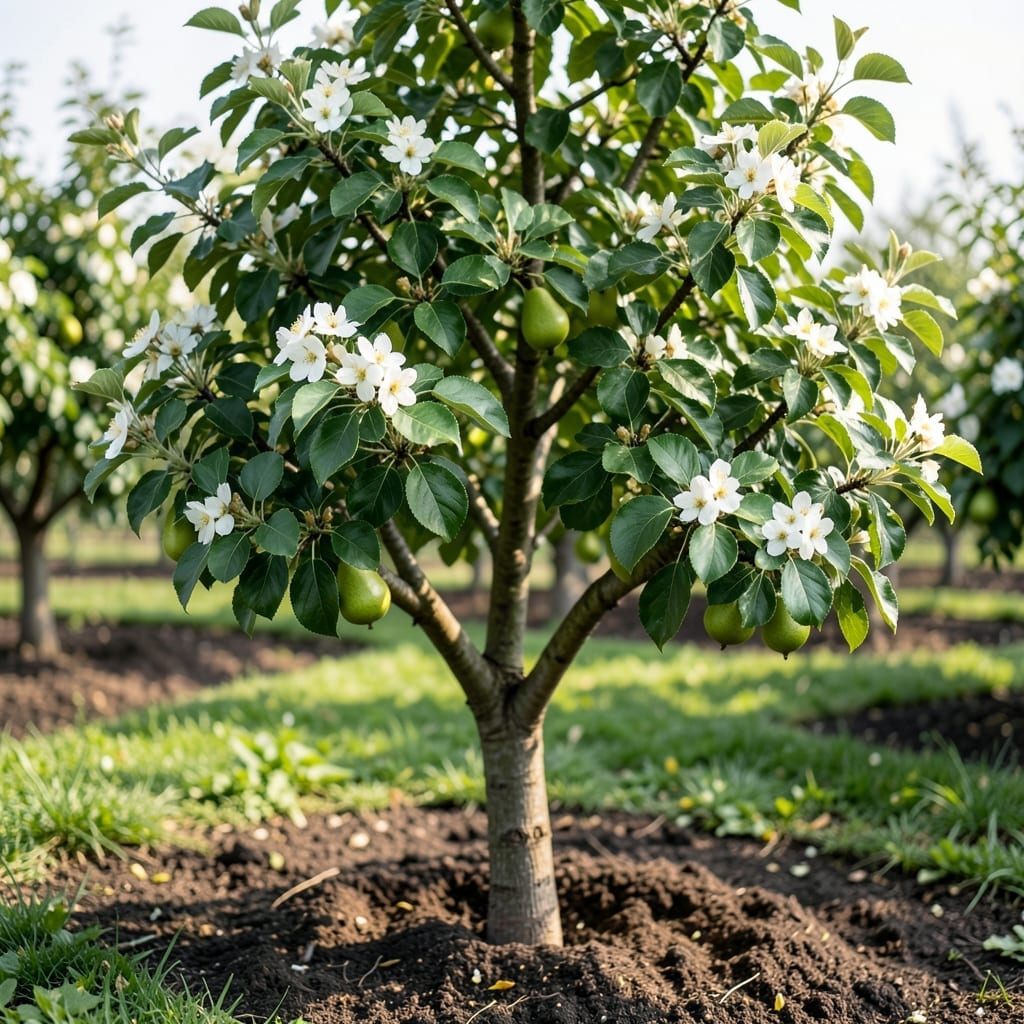
Nothing beats the satisfaction of watching your 🍐 Pear Tree burst into blossoms, only to be followed by a disappointing lack of fruit. I’ve been there, staring at bare branches where pears should be.
Understanding why your Pear Tree struggles to fruit can turn that frustration into a bountiful harvest. The good news? It’s often simpler than you think.
Discover the most common reasons behind poor fruiting and how to fix them. From pollination to pruning, I’ll walk you through the essentials.
With a few adjustments, you can enjoy more fruit than you know what to do with. Let’s make this the year your Pear Tree thrives.
If your pear tree blooms beautifully but fails to produce fruit, don’t lose hope. Many gardeners face this issue, and the root causes are often simple to address. I’ve found that age and pollination are the top culprits for poor fruiting in pear trees. 🌿
Young pear trees typically need 3-5 years to mature enough to bear fruit. Even then, some varieties require a pollination partner of a different type to set fruit properly. Without this, you’ll see flowers but no pears.
| Issue | Solution |
| Tree too young | Wait 3-5 years for maturity |
| Lack of pollination | Plant compatible varieties nearby |
| Poor pruning | Prune in late winter to shape |
| Nutrient deficiency | Test soil and add balanced fertilizer |
| Climate stress | Ensure 6+ hours of sunlight daily |
Pruning mistakes can also sabotage fruiting. Pruning at the wrong time or removing too much wood can eliminate fruit buds. I always prune my pear trees in late winter while they’re still dormant.
Another common issue is nutrient deficiency. Pear trees need a balanced fertilizer like 10-10-10 applied in early spring. Yellowing leaves or stunted growth often signal a need for more nitrogen or potassium.
Don’t overlook climate factors either. Pear trees thrive in USDA zones 5-9 and need 6+ hours of sunlight daily. Frost during bloom can damage flowers, reducing fruit set.
If your tree is mature but still not fruiting, check for pest damage or disease. Aphids, codling moths, and fire blight can all impact fruit production. Regular inspections and organic treatments can help.
Water stress is another silent killer. Pear trees need consistent moisture, especially during fruit development. I water mine deeply once a week, more in extreme heat.
Sometimes the issue is simply variety selection. Some pear varieties are self-pollinating, while others need a partner. Research your tree’s needs before planting.
Finally, remember that even with perfect care, pear trees can have off years. Alternate bearing is natural, but these tips will help maximize your harvest in the productive years. ✂️
I’ve learned that pear trees need specific care to produce abundant fruit. The key is understanding their unique requirements and providing the right conditions.
From proper pruning to cross-pollination, small adjustments can make a big difference in your harvest. Here’s how to set your tree up for success. 🌳
Timing your pruning is crucial. I always prune my pear trees in late winter while they’re still dormant but before buds swell.
This approach minimizes stress and encourages strong new growth that will bear fruit. Remove any dead, diseased, or crossing branches first.
For pollination, most pear varieties need a partner. I planted a Bartlett and Anjou near each other for reliable fruit set.
Don’t forget about soil health. A yearly application of balanced fertilizer in early spring gives my trees the nutrients they need.
With these strategies, I’ve seen my pear trees go from barren to bountiful in just a few seasons. The effort is worth it when you’re picking fresh pears from your own backyard. ✂️