
Beautiful Plants For Your Interior
Beautiful Plants For Your Interior
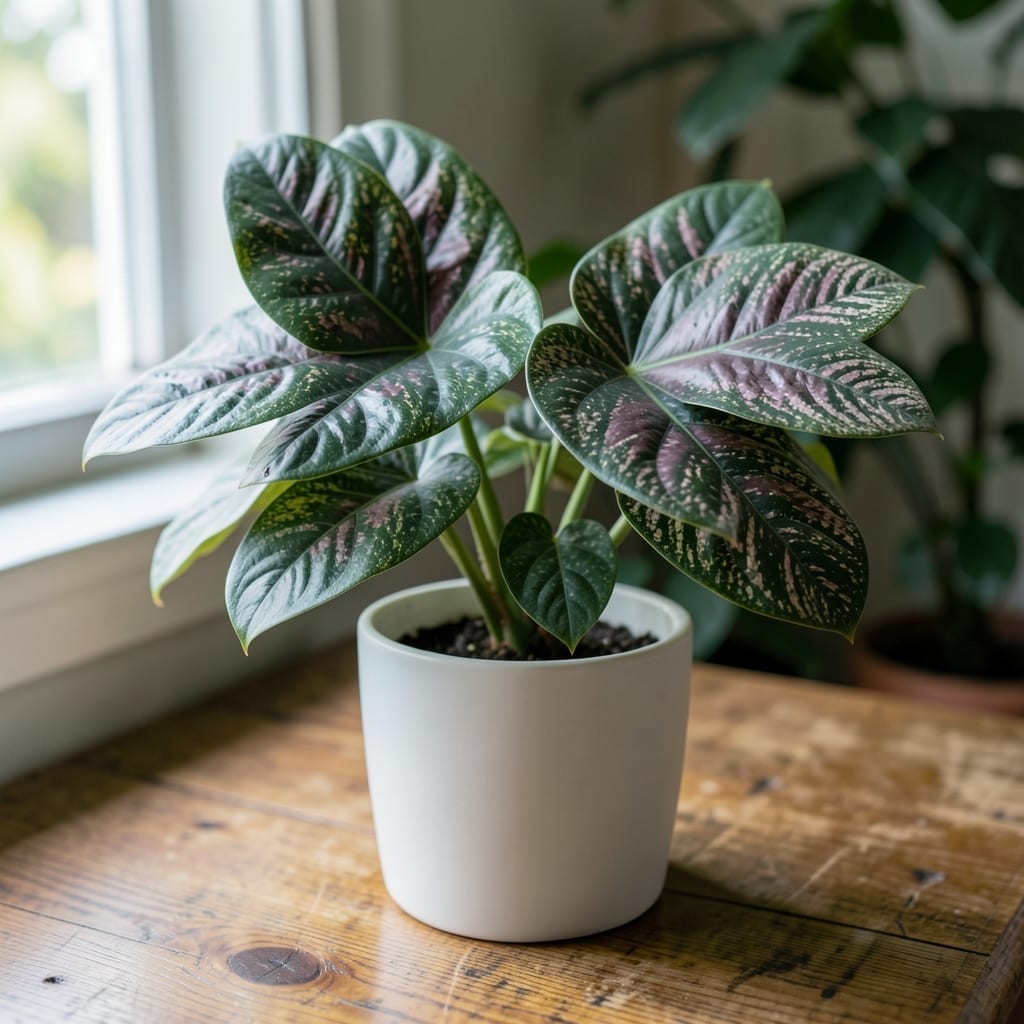
Those dramatic, patterned leaves are telling you something’s off. Peacock plants curl their foliage when their basic needs aren’t met—usually light, water, or humidity taking a wrong turn.
I’ve seen this happen most often when the soil stays dry for too long or when the air around the plant feels more like a desert than a tropical forest. The fix isn’t complicated, but it does require paying attention to the details.
Once you adjust the balance, the leaves unfurl within days, revealing that vibrant, show-stopping foliage you fell in love with. The transformation is fast and satisfying.
Works for any peacock plant, whether it’s a new addition or an old favorite that’s suddenly acting up.
Peacock plant leaves curl primarily due to environmental stress or care imbalances. Below are the most common causes, explained with actionable insights to help you restore your plant’s health.
Underwatering causes leaves to curl inward as the plant conserves moisture. The soil may pull away from the pot edges, and leaves often feel crisp or dry. Conversely, overwatering leads to root rot, which disrupts water uptake. Soggy soil and a foul odor are red flags. Aim for consistently moist—but not waterlogged—soil, and water when the top 1-2 inches feel dry.
Peacock plants thrive in 65–75°F (18–24°C) with high humidity (50–60%). Low humidity causes leaves to curl as the plant reduces surface area to minimize water loss. Drafts, air conditioners, or heaters can also trigger stress. Use a humidifier or pebble tray to maintain moisture levels, and keep the plant away from direct vents.
Too much direct sunlight can scorch leaves, causing them to curl and develop brown edges. On the other hand, low light weakens the plant, leading to drooping or curling as it struggles to photosynthesize. Place your peacock plant in bright, indirect light, such as near an east-facing window, and rotate it occasionally for even growth.
Pests like spider mites, aphids, or mealybugs suck sap from leaves, causing them to curl, yellow, or distort. Check the undersides of leaves for webbing, sticky residue, or tiny insects. Treat infestations with neem oil or insecticidal soap, and isolate the plant to prevent spreading.
Peacock plants thrive with the right care, and fixing curling leaves often comes down to a few key adjustments. Here’s how to address the most common causes:
Fix: Check the soil’s moisture level by sticking your finger 1-2 inches deep. If it’s bone-dry, give your plant a thorough drink until water drains from the bottom. If the soil is soggy, let it dry out and ensure the pot has drainage holes. Trim any black, mushy roots to prevent rot.
Prevention tip: 💡 Water only when the top inch of soil feels dry, and use a well-draining potting mix to avoid waterlogging.
Fix: Move your plant to a spot with bright, indirect light (east or north-facing windows are ideal). If the air is too dry, place a humidifier nearby or set the pot on a tray filled with pebbles and water to boost humidity.
Prevention tip: 🌡️ Aim for 60-70% humidity and rotate the plant occasionally for even light exposure.
Fix: Inspect the undersides of leaves for spider mites or aphids. Wipe them off with a damp cloth or spray with neem oil. For stubborn pests, use insecticidal soap.
Prevention tip: ✨ Regularly mist your plant and keep it clean to deter pests.
Fix: Feed your peacock plant with a balanced, water-soluble fertilizer (diluted to half strength) every 4-6 weeks during the growing season. Yellowing leaves may signal a lack of nutrients.
Prevention tip: 🎯 Flush the soil with water every few months to prevent salt buildup from fertilizers.
With these tweaks, your peacock plant’s leaves should perk up in no time! Consistency is key—observe your plant’s response and adjust as needed.
Water when the top 1-2 inches of soil feel dry. This usually means every 7-10 days, but check first—overwatering causes curl too.
Yes! These tropical plants need 50-60% humidity. Below that, leaves curl to reduce moisture loss. Use a pebble tray or humidifier.
Bright, indirect light is ideal. Too much direct sun scorches leaves, while low light weakens growth. East-facing windows are perfect.
Check leaf undersides for webbing, sticky residue, or tiny bugs. Spider mites and aphids are common culprits that cause curling.