
Beautiful Plants For Your Interior
Beautiful Plants For Your Interior
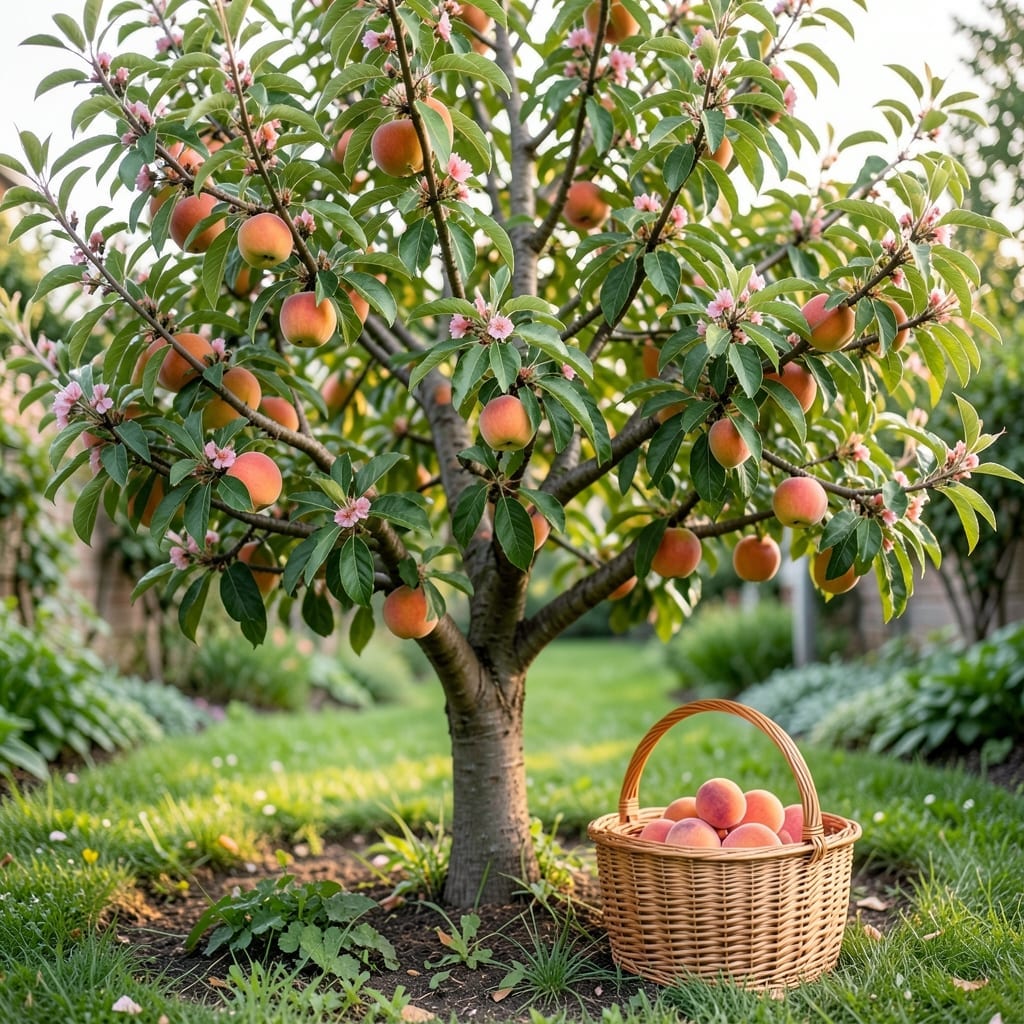
Nothing beats the taste of a perfectly ripe 🍑 peach picked at peak season, but knowing exactly when to harvest can mean the difference between bland and blissfully sweet fruit.
From June to August, your Peach tree will reward you with its juiciest bounty, but timing varies by region and variety. Missing this window could leave you with underripe or overripe fruit.
I’ll help you spot the key signs of readiness, from color changes to that telltale sweet aroma. These simple cues will ensure you pick at the perfect moment every time.
Discover how to make the most of your Peach harvest and enjoy fruit so delicious it tastes like summer in every bite.
Timing your peach harvest perfectly depends on both tree variety and your local climate. I’ve found that clinging peaches often ripen earlier than freestone types, which hold their pits loosely.
Semi-freestone varieties fall somewhere in between, offering a balance of easy separation and firm flesh. Regional differences in temperature and sunlight exposure also play a huge role in ripening schedules.
| Variety | Peak Harvest Window | Key Regions |
|---|---|---|
| Clinging | Late June to Early July | California, Georgia |
| Freestone | Mid to Late July | South Carolina, Michigan |
| Semi-Freestone | Early to Mid July | Texas, Washington |
| Dwarf Varieties | Early July | Container gardens, small spaces |
In warmer climates like California and Georgia, peaches often reach peak ripeness earlier due to consistent sunlight and higher temperatures. These areas can see harvests as early as late June for some varieties.
Cooler regions such as Michigan and the Pacific Northwest typically experience a later harvest, with peak season stretching into August. The shorter growing season here means peaches need every bit of summer warmth.
For dwarf peach trees, expect a slightly earlier harvest because their compact size allows for better heat retention. These are perfect for container gardening on patios or balconies with full sun exposure.
I always remind gardeners that microclimates matter too. A south-facing wall or urban heat island can accelerate ripening by a week or more. Keep an eye on local weather patterns for the best results.
In my experience, freestone peaches are the most forgiving for home gardeners. Their easy-to-remove pits make them ideal for fresh eating and preserving. Just be sure to test ripeness daily once they start changing color.
Clinging varieties, while trickier to pit, often have exceptional flavor and are worth the extra effort. They’re best for immediate consumption since their flesh clings tightly to the stone.
No matter the variety, consistent watering and proper pruning will help your peach tree reach its full potential. I’ve seen trees produce up to 50% more fruit with just these two simple practices.
Remember that soil quality impacts ripening too. Well-draining loam with organic matter gives trees the best chance to produce sweet, juicy peaches at peak season ☀️
Timing your peach harvest perfectly ensures the sweetest flavor and best texture. I look for visual and tactile cues that signal peak ripeness on the tree.
First, check the color transformation. Peaches shift from green to their full yellow, orange, or red hue depending on variety. This is your first visual confirmation.
The “sniff test” is my favorite method. A ripe peach emits a fragrant, sweet smell at the stem. If there’s no aroma, it’s not ready yet.
Gently press the fruit with your palm—not your fingertips. A slight give indicates ripeness, while hardness means it needs more time.
Watch for the background color to change completely. Green patches mean the peach isn’t ripe, even if the red blush looks developed.
Remember, peaches ripen from the inside out. If you’re unsure, pick one and taste-test. The flavor will tell you if it’s time to harvest the rest.
I always check multiple fruits on the tree, as they may ripen at slightly different times. This ensures I don’t miss the peak window for any of them.