
Beautiful Plants For Your Interior
Beautiful Plants For Your Interior
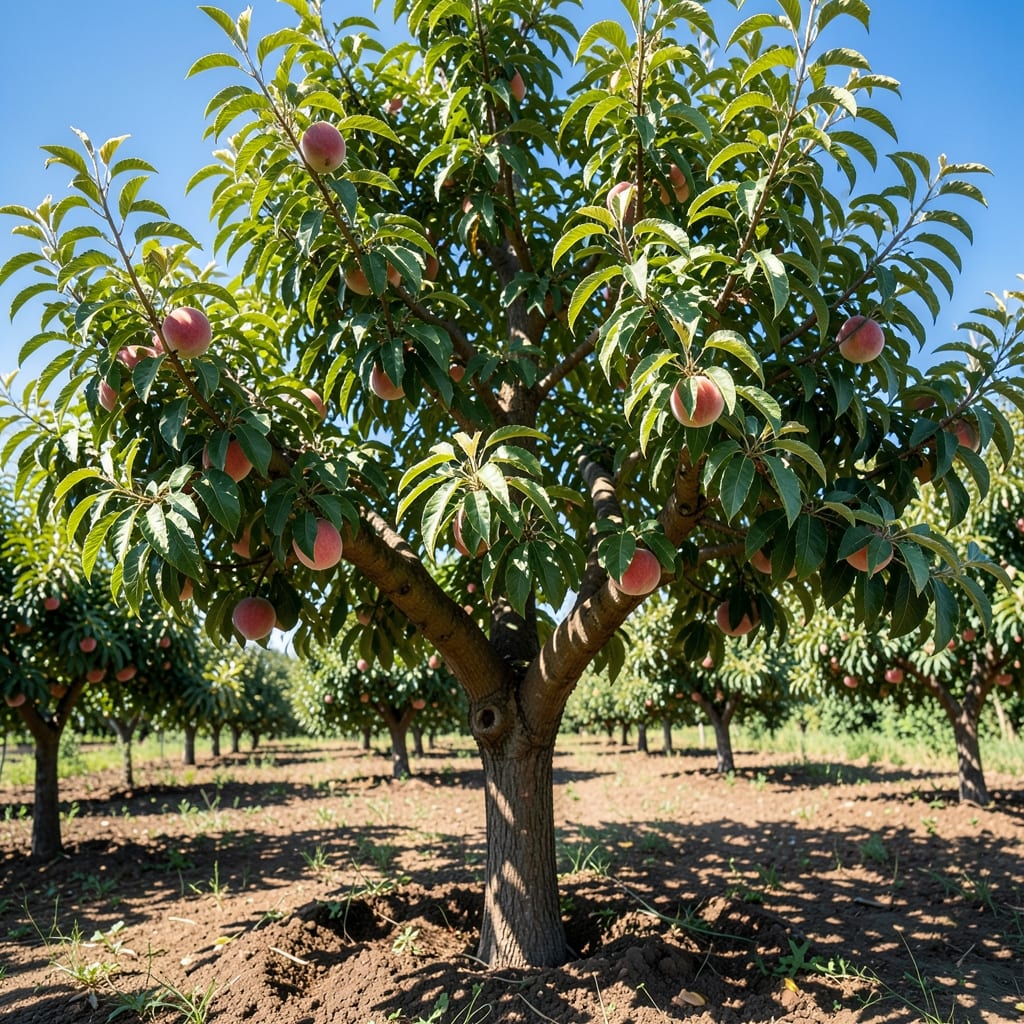
Spotted peach leaves last summer? I did too. Bacterial spot starts with small, angular lesions that spread fast in warm, wet weather, turning your trees into a polka-dotted mess.
This isn’t just cosmetic—it weakens trees, reduces fruit quality, and can spread to next year’s crop. I lost 30% of my harvest before learning to catch it early.
Organic solutions work, but timing is everything. Copper sprays help, but proper pruning and cleanup break the cycle. The key is starting before symptoms appear.
Prevention is simpler than cure. Clean tools, resistant varieties, and good airflow make all the difference. Here’s how to protect your trees.
Peach bacterial spot, caused by Xanthomonas arboricola pv. pruni, thrives under specific environmental and cultural conditions. Understanding these triggers helps you prevent outbreaks in your orchard or garden.
The bacteria spread most aggressively in warm, wet weather (75–85°F). Rain, overhead irrigation, or even heavy dew provides the moisture needed for bacterial entry through natural openings or wounds in leaves and fruit. Prolonged leaf wetness (6+ hours) significantly increases infection risk.
Dense canopies or overcrowded plantings trap humidity around foliage, creating a microclimate ideal for bacterial growth. Pruning for open centers and proper spacing between trees improves airflow, reducing leaf wetness duration and slowing disease progression.
The pathogen overwinters in infected plant debris, bark, or buds. Using unsterilized pruning tools spreads bacteria from plant to plant during routine maintenance. Always disinfect tools with 70% isopropyl alcohol or a 10% bleach solution between cuts, and remove fallen leaves and fruit to eliminate hiding spots for the bacteria.
Some peach and nectarine cultivars lack genetic resistance to X. arboricola. Varieties like ‘Redhaven’ and ‘Elberta’ are particularly vulnerable. Planting resistant or tolerant cultivars (e.g., ‘Risingstar’, ‘Contender’) can drastically reduce disease pressure without sacrificing yield.
Tackling peach bacterial spot starts with understanding its causes and applying targeted fixes. Below are practical solutions mapped to common triggers, along with prevention tips to keep your trees healthy.
Wet leaves create the perfect environment for bacteria to spread. Fix: Water at the base of the tree using drip irrigation or soaker hoses to keep foliage dry. Water early in the day so any accidental splashes dry quickly in the sun. Prevention tip: 💡 Avoid sprinklers entirely during wet seasons or high humidity.
Bacteria overwinter in fallen leaves and twigs. Fix: Rake up and burn or bag (do not compost) all debris from under the tree. Prune infected branches during dry weather, sterilizing tools with rubbing alcohol between cuts. Prevention tip: ✨ Clean up thoroughly after harvest and before winter.
Some peach varieties are more susceptible than others. Fix: If bacterial spot is a recurring issue, replant with resistant types like ‘Redhaven’ or ‘Elberta’. Prevention tip: 🎯 Consult local nurseries for varieties proven to thrive in your climate.
Organic copper fungicides can suppress bacteria. Fix: Apply a copper spray at bud break, then repeat every 10–14 days during wet periods. Follow label instructions carefully. Prevention tip: 🌡️ Rotate with other organic treatments like neem oil to prevent resistance.
Dense canopies trap moisture and hinder drying. Fix: Thin branches to improve airflow, allowing sunlight to penetrate and dry leaves faster. Prevention tip: ⏰ Prune annually in late winter to maintain an open center.
Consistency is key—combine these fixes with good sanitation and monitoring for the best results.
Look for small, water-soaked spots on leaves that turn brown with yellow halos. These lesions often appear on fruit as well.
Yes, the bacteria affects other stone fruits like plums and nectarines. Remove infected material immediately to prevent cross-contamination.
Yes, copper-based sprays are OMRI-listed for organic use. Apply at bud break and repeat every 10-14 days during wet weather.
The pathogen can overwinter in fallen leaves and twigs for months. Always remove and destroy (never compost) infected plant material.