
Beautiful Plants For Your Interior
Beautiful Plants For Your Interior
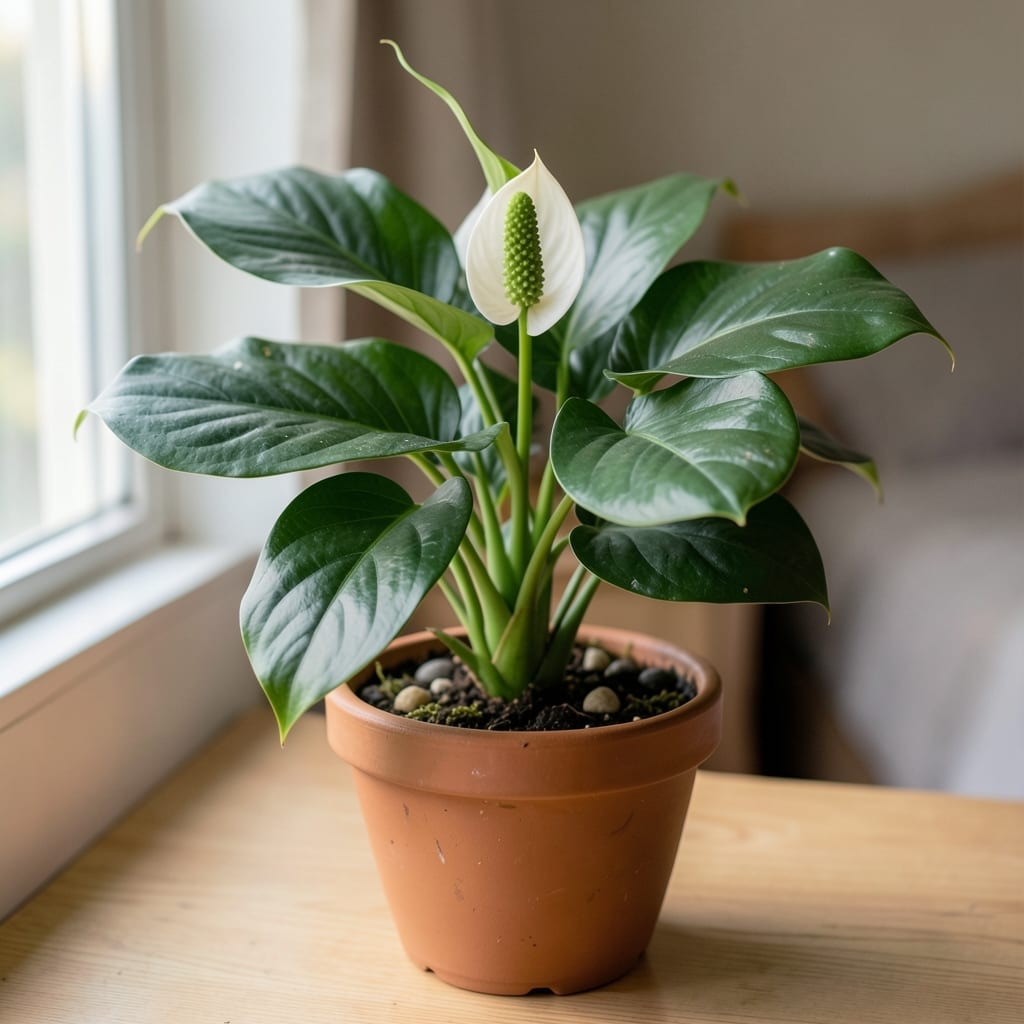
My peace lily’s leaves went from lush to curled in 48 hours. Turns out, it was screaming for water in the only way it knows how.
Here’s the thing—curling often means underwatering, but overwatering or dry air can cause the same distress. I learned to check the soil first: if it’s bone-dry an inch down, that’s your culprit.
With the right fixes, new growth appears within 1-2 weeks. The leaves unfurl, the glossy green returns, and your plant looks like it never missed a beat.
Works for any peace lily, whether it’s been neglected for days or just needs a humidity boost. Simple adjustments make all the difference.
Peace lily leaves curl primarily due to environmental stress or care imbalances. Below are the most common causes, explained with actionable insights.
Peace lilies Spathiphyllum thrive in consistently moist soil. When underwatered, their roots can’t absorb enough water to maintain turgor pressure in the leaves. This loss of cellular rigidity causes the edges to curl inward as a survival mechanism to reduce surface area and minimize moisture loss. Check the soil: if the top 1–2 inches are dry, it’s time to water deeply.
As tropical plants, peace lilies prefer humidity levels of 40–60%. In dry indoor air (common in winter or air-conditioned spaces), the leaves lose moisture faster than they can replenish it. This deficit triggers curling to conserve water. Solution: mist the leaves, use a humidity tray, or place a humidifier nearby.
Exposure to cold drafts (below 55°F/13°C) or sudden temperature drops disrupts the plant’s metabolic processes. The cells contract unevenly, leading to curled or wilted leaves. Keep your peace lily away from windows, AC vents, or doors that may expose it to chilly drafts.
While peace lilies tolerate low light, direct sunlight can scorch their leaves. Excessive light causes rapid water evaporation, leading to dehydration and curling. Fix: move the plant to bright, indirect light or filter harsh rays with a sheer curtain.
Too much fertilizer increases salt buildup in the soil, which draws water out of the roots—a process called reverse osmosis. This dehydrates the plant, manifesting as curled, brown-tipped leaves. Flush the soil with water to remove excess salts and reduce fertilizer frequency.
Addressing curling leaves on your peace lily starts with identifying the root cause. Below are targeted fixes for common issues, along with prevention tips to keep your plant thriving.
If the soil feels dry 1-2 inches deep, your peace lily is thirsty. Water it thoroughly until water drains from the bottom, ensuring the roots absorb moisture. Place the pot in a saucer to catch excess water, and discard any standing water after 15 minutes to avoid root rot.
Prevention tip: 💡 Check soil moisture weekly. Stick your finger in the soil—if it’s dry, it’s time to water. Consider a moisture meter for precision.
Curling leaves from too much light? Move your plant to a spot with bright, indirect light, like near an east-facing window. If direct sunlight is unavoidable, use a sheer curtain to filter the intensity.
Prevention tip: 🌡️ Rotate your peace lily every few weeks to ensure even light distribution and prevent stress on one side.
Peace lilies love humidity. Mist the leaves daily with room-temperature water or place a tray of water and pebbles near the plant to boost moisture in the air. A humidifier nearby also works wonders.
Prevention tip: ✨ Grouping plants together can create a microclimate with higher humidity, benefiting all your greenery.
Yellowing or curling leaves may signal a lack of nutrients. Fertilize lightly with a balanced, water-soluble houseplant fertilizer (10-10-10 or 20-20-20) every 6-8 weeks during the growing season. Avoid over-fertilizing, which can burn the roots.
Prevention tip: 🎯 Flush the soil with water every few months to remove excess salts from fertilizers.
Inspect the undersides of leaves for pests like spider mites or aphids. Wipe leaves with a damp cloth or spray with insecticidal soap. For stubborn infestations, use neem oil, following the label instructions.
Prevention tip: 🔥 Regularly clean leaves with a damp cloth to deter pests and keep your plant healthy.
Water when the top 1-2 inches of soil feel dry. Typically, this means every 7-10 days, but check more often in hot or dry conditions. Overwatering is just as harmful as underwatering.
Yes! Peace lilies thrive in 40-60% humidity. Dry air causes leaves to lose moisture rapidly, leading to curling. Use a humidifier or pebble tray to maintain ideal levels.
New growth will appear healthy within 1-2 weeks if the problem is resolved. Severely damaged leaves may not uncurl, but trimming them encourages fresh growth.
Check the soil: dry means underwatering; soggy or smelly means overwatering. Yellow leaves often signal too much water, while crispy edges indicate too little.