
Beautiful Plants For Your Interior
Beautiful Plants For Your Interior
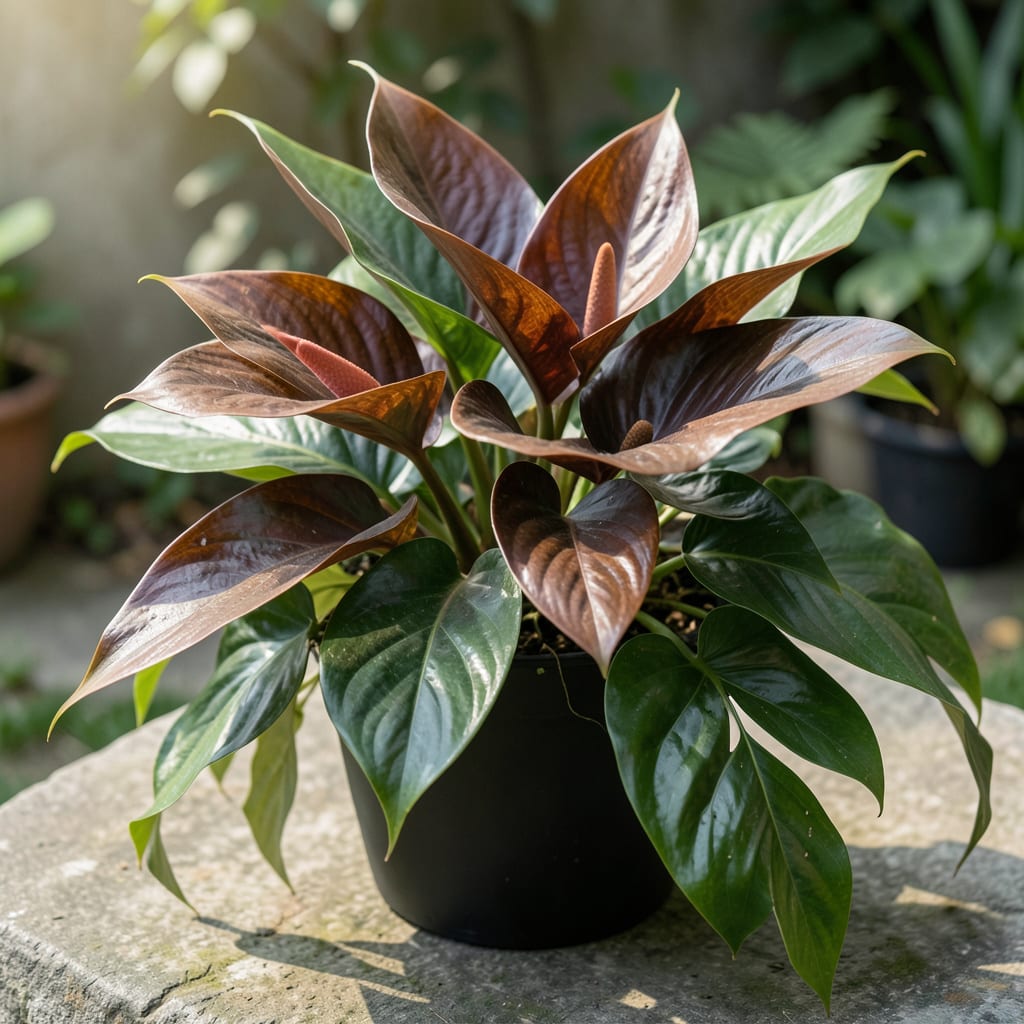
Brown leaves on your peace lily aren’t a death sentence—just a cry for help. I’ve rescued dozens from the brink with simple fixes.
The usual suspects? Too much water, not enough, or bone-dry air. Overwatering is the most common culprit, turning leaves yellow then crispy. Underwatering and low humidity show up as brown tips first.
Once you diagnose the issue, revival is straightforward. Trim the damage, adjust your care routine, and watch new green growth emerge within weeks.
Prevention is even easier: consistent watering, a humidity tray, and bright, indirect light keep leaves lush year-round.
Peace lilies are hardy, but brown leaves often signal distress. Here’s why it happens:
Root rot from excess moisture is a top culprit. Peace lilies thrive in moist (not soggy) soil. When roots sit in waterlogged soil, they suffocate, leading to brown, wilting foliage. Check for yellowing leaves first—this often precedes browning. Action: Repot in well-draining soil and ensure pots have drainage holes.
As tropical plants, peace lilies need 40-60% humidity. Dry air (common indoors) causes leaf edges to crisp and brown. Similarly, drafts or temps below 55°F (13°C) trigger stress. Action: Mist leaves, use a humidifier, or group plants to raise humidity. Keep them away from AC vents or cold windows.
Too much direct sun scorches leaves, creating dry, brown patches. Conversely, low light weakens the plant, leading to yellowing that turns brown. Peace lilies prefer bright, indirect light. Action: Move to a north- or east-facing window, or use sheer curtains to filter harsh light.
Over-fertilizing (especially with high-salt mixes) or chlorinated/fluoridated tap water can cause leaf tip burn. Peace lilies are sensitive to mineral buildup. Action: Use distilled or rainwater, and fertilize lightly (every 6-8 weeks) with a balanced, diluted formula.
Sap-sucking pests like spider mites or mealybugs damage leaves, causing brown spots or edges. Inspect leaf undersides for webbing or white residue. Action: Wipe leaves with soapy water or use neem oil for treatment.
If your peace lily is sporting unsightly brown leaves, don’t panic—most issues are fixable with a few simple adjustments. Here’s how to tackle the most common causes and restore your plant’s lush green beauty.
Fix: Let the soil dry out slightly between waterings. If the roots are soggy or rotting, repot the plant in fresh, well-draining potting mix. Trim any black, mushy roots before replanting. Ensure your pot has drainage holes to prevent water from pooling at the bottom.
Prevention tip 💡: Stick your finger an inch into the soil—if it feels damp, hold off on watering. A moisture meter can also help take the guesswork out of the process.
Fix: Move your peace lily to a spot with bright, indirect light, such as near a north- or east-facing window. If the leaves are crispy and brown from sunburn, trim the damaged foliage to encourage new, healthy growth.
Prevention tip 🌡️: Sheer curtains can filter harsh light if your only option is a sunny window. Peace lilies thrive in low to moderate light, so avoid direct afternoon sun.
Fix: Mist the leaves regularly with room-temperature water or place a tray of water and pebbles near the plant to boost humidity. Grouping plants together can also create a microclimate with higher moisture levels.
Prevention tip ✨: Consider using a humidifier in dry climates or during winter months when indoor air tends to be drier.
Fix: Flush the soil with water to remove excess salts from fertilizers. Repot the plant if the soil is heavily saturated with minerals. Trim brown leaf tips and reduce fertilizing to once every 2-3 months during the growing season.
Prevention tip 🎯: Use a balanced, water-soluble fertilizer diluted to half the recommended strength. Peace lilies are light feeders and can thrive without heavy fertilization.
Fix: If tap water is the culprit, switch to distilled or rainwater for a few weeks to see if the browning stops. If you’ve recently used leaf shine products, wipe the leaves with a damp cloth to remove residue.
Prevention tip 🌿: Let tap water sit out overnight to allow chlorine to evaporate before using it on your plant.
Water when the top 1-2 inches of soil feel dry. Typically, this means watering every 7-10 days, but adjust based on your home’s humidity and light levels.
No, once leaves turn brown they won’t recover. Trim them off at the base to redirect energy to healthy growth. Focus on fixing the underlying issue to prevent new browning.
Use distilled, rainwater, or let tap water sit out for 24 hours to allow chlorine to evaporate. Avoid softened water, as it contains salts that can harm the plant.
Misting helps temporarily, but for long-term solutions try a humidity tray or humidifier. Aim to maintain 40-60% humidity for optimal health.
