
Beautiful Plants For Your Interior
Beautiful Plants For Your Interior
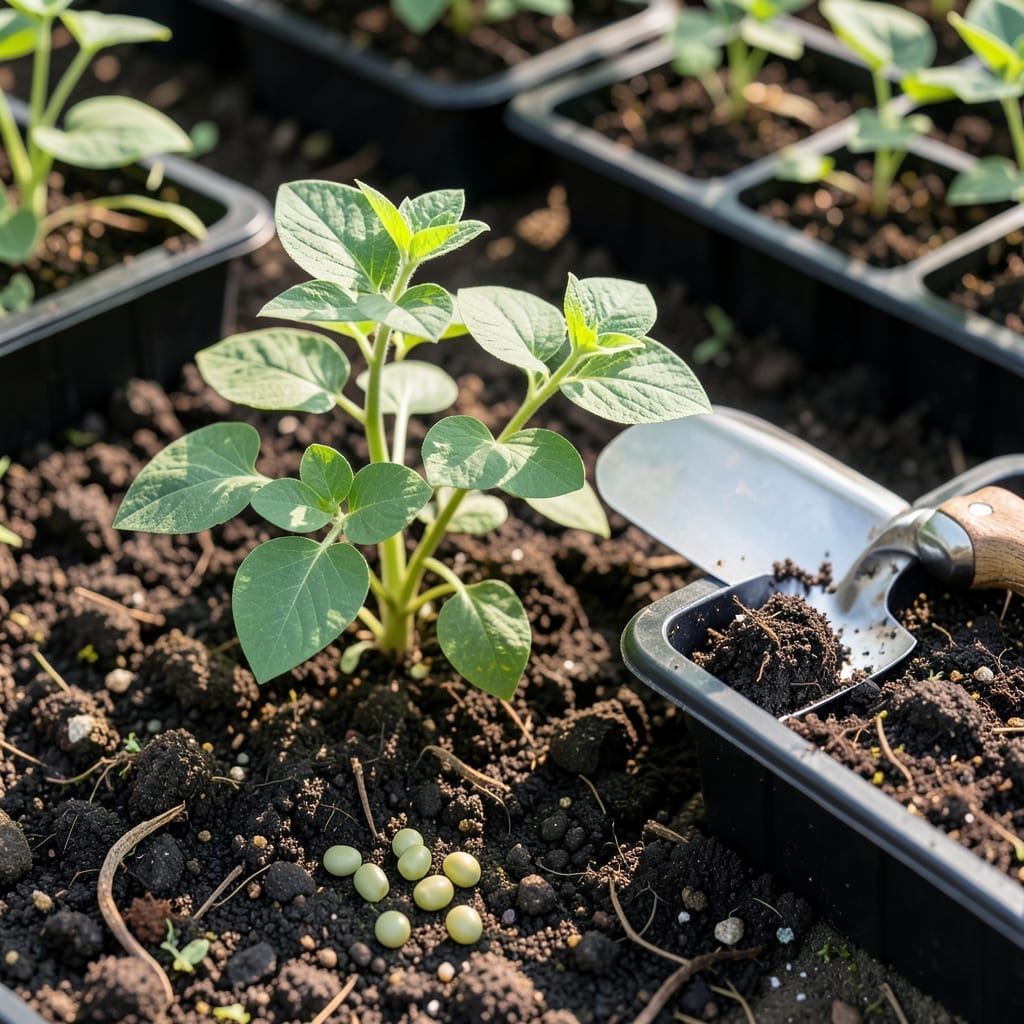
Pea seeds are among the easiest and most rewarding crops to germinate, yet even experienced gardeners can struggle with slow or uneven sprouting. I’ve seen firsthand how the right approach makes all the difference.
Mastering the germination process ensures a strong start for your 🌱 Pea plants and a bountiful harvest. It’s not just about planting and waiting – there’s a science to it.
What if you could cut your sprouting time in half? I’ll show you the most effective methods that work consistently. These aren’t just theories – they’re proven techniques I use every spring.
Discover the simple adjustments that transform your germination success rate. Whether you’re a beginner or looking to improve, these tips will change how you start your Pea plants.

I’ve found that pea seeds germinate best when given the right start. The key is creating an environment that mimics their natural growing conditions. This means paying attention to temperature, moisture, and soil quality from the very beginning.
In my experience, cool soil temperatures between 40°F and 75°F are ideal. Peas are hardy and can even tolerate light frosts, but they won’t thrive in hot soil. Keep this in mind when timing your planting.
| Requirement | Specification |
|---|---|
| Soil Temperature | 40°F–75°F |
| Soil Type | Well-draining loam |
| Moisture Level | Consistently moist |
| Light Needs | Full sun to partial shade |
| Planting Depth | 1–2 inches deep |
| pH Level | 6.0–7.5 |
I always recommend testing your soil pH before planting. Peas prefer a slightly acidic to neutral range, between 6.0 and 7.5. A simple soil test kit can save you from poor germination rates.
Moisture consistency is another critical factor. Pea seeds need even moisture to sprout, but they’ll rot in soggy soil. I water lightly every day until sprouts appear, then taper off to avoid overwatering.
For soil, I use a well-draining loam mixed with compost. This provides the nutrients and aeration peas need. Avoid heavy clay soils, as they retain too much water and can suffocate seeds.
Peas aren’t overly picky about light, but they do best with full sun once sprouted. However, during germination, light isn’t critical—the focus should be on temperature and moisture first.
I’ve noticed that planting too deep can delay sprouting. Stick to 1–2 inches deep for best results. Any deeper, and the seedlings may struggle to push through the soil.
If you’re planting early in the season, consider using row covers to maintain consistent soil warmth. This can speed up germination by a few days in cooler climates.
Finally, avoid over-fertilizing at planting. Peas are nitrogen-fixers, so too much fertilizer can actually harm their natural processes. A light compost mix is all they need to get started.
With these conditions met, you’ll see pea seedlings emerging in 7–14 days, ready to grow into healthy, productive plants 🌱
I’ve found that pre-soaking pea seeds for 8-12 hours in lukewarm water softens the seed coat and kickstarts germination. This simple step can reduce sprouting time by 2-3 days compared to dry planting.
Another game-changer is seed scarification. Gently nicking the seed coat with a file or sandpaper helps water penetrate faster, which is especially useful for older seeds that might be stubborn to sprout.
In my experience, pea inoculants are worth the investment. These beneficial bacteria form a symbiotic relationship with pea roots, helping them fix nitrogen more efficiently for stronger early growth.
Planting depth matters more than you’d think. I always plant pea seeds no deeper than 1 inch in loose, well-draining soil. Any deeper and the seedlings struggle to push through the soil surface.
For consistent moisture without waterlogging, I recommend using a spray bottle to mist the soil surface. This keeps the top layer damp where pea seeds need it most during germination.
Finally, don’t underestimate the power of warmth. If your soil is still chilly, try starting seeds indoors near a sunny window or use a heat mat to maintain that ideal 60-75°F range for optimal germination 🌱