
Beautiful Plants For Your Interior
Beautiful Plants For Your Interior
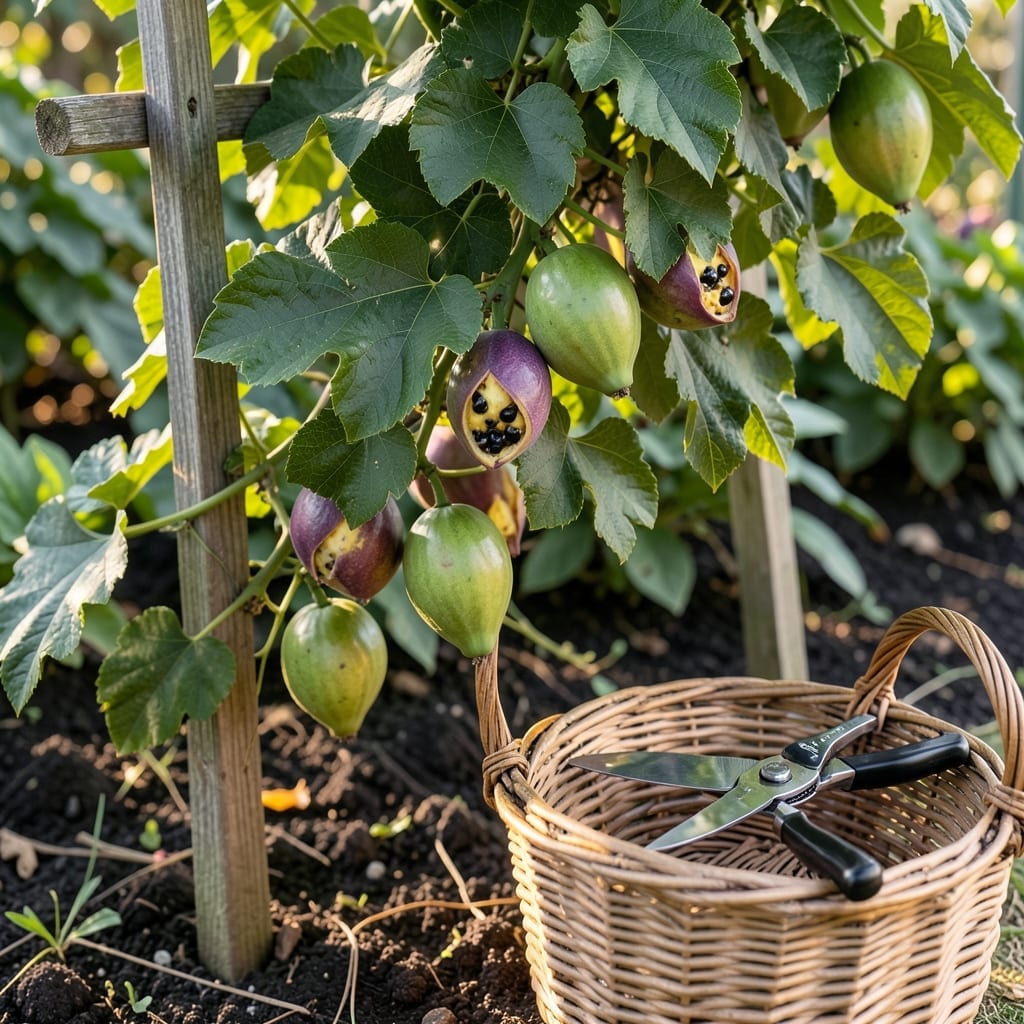
Nothing beats the sweet-tart explosion of a perfectly ripe 🧡 Passion Fruit, but picking it too early or too late can ruin the experience. I’ve learned the hard way that timing is everything with this tropical gem.
Mastering the signs of ripeness ensures every harvest delivers maximum flavor and aroma. Whether you’re growing in zones 9-11 or just love fresh fruit, knowing when to pick is the key to success.
From color changes to subtle texture shifts, there are clear indicators to watch for. I’ll show you exactly what to look for so you never miss that perfect moment again.
Let’s dive into the simple yet essential clues that turn good fruit into an unforgettable taste experience.
I always check color first when assessing my passion fruit. For purple varieties, look for a deep purple or nearly black hue. Yellow varieties should turn a rich golden color.
The skin texture is another telltale sign. Ripe fruits develop slight wrinkling, especially near the stem. This isn’t the same as the deep wrinkles of overripeness—just a gentle puckering.
| Ripeness Indicator | Purple Varieties | Yellow Varieties |
|---|---|---|
| Color | Deep purple/black | Golden yellow |
| Skin Texture | Slightly wrinkled | Smooth to slightly dimpled |
| Weight | Feels heavy | Feels heavy |
| Stem Condition | Dries and shrivels | Dries and shrivels |
I also pay attention to weight. A ripe passion fruit feels heavy for its size, indicating full juice development. Compare it to an unripe fruit of similar size.
The stem area often reveals ripeness too. When the stem dries and begins to shrivel, it’s a clear sign. This happens as the fruit matures and prepares to detach.
For tactile confirmation, gently squeeze the fruit. A ripe one yields slightly to pressure but isn’t mushy. Think of it like a firm avocado rather than a soft banana.
I’ve noticed that variety matters. Some hybrid passion fruits may show different color patterns. Always research your specific variety’s ripeness indicators.
Don’t overlook the aroma. Ripe passion fruits emit a sweet, tropical fragrance that’s especially noticeable when you bring the fruit close to your nose.
In my garden, I find that morning harvests work best. The fruits are typically at their peak ripeness after a cool night, and the sugars are most concentrated.
Remember that climate affects ripening. In cooler climates, fruits may take longer to ripen and might need to be picked slightly earlier to finish ripening indoors.
Finally, if you’re unsure, let the fruit fall naturally. When passion fruits are truly ripe, they often detach from the vine on their own, which is nature’s perfect timing signal 🌿
I’ve seen many gardeners pick passion fruit based on size alone, but that’s a big mistake. Size doesn’t guarantee ripeness, and you might end up with a bland, underdeveloped fruit.
Another common error is ignoring the stem condition. A green stem often means the fruit isn’t ready, even if the skin looks ripe. Always check the whole picture.
⚠️ Avoid These Ripeness Pitfalls
• Size alone: Doesn’t indicate ripeness
• Green stem: Means fruit isn’t ready
• Over-wrinkling: Can mean overripe, not perfect
• Cool climates: May delay ripening
Confusing underripe with overripe wrinkling is another trap. Slight wrinkles are good, but too many mean the fruit is past its prime and may be fermenting inside.
Harvesting too early in cool climates can also be problematic. Passion fruit thrives in zones 9-11, and cooler temps can slow ripening, leading to premature picking.
Each of these mistakes affects flavor and storage life. Underripe fruit lacks sweetness, while overripe fruit spoils quickly. Timing is everything with passion fruit.
I always remind myself to check color, texture, and stem condition together. That’s the only way to ensure a perfect harvest every time 🌿