
Beautiful Plants For Your Interior
Beautiful Plants For Your Interior
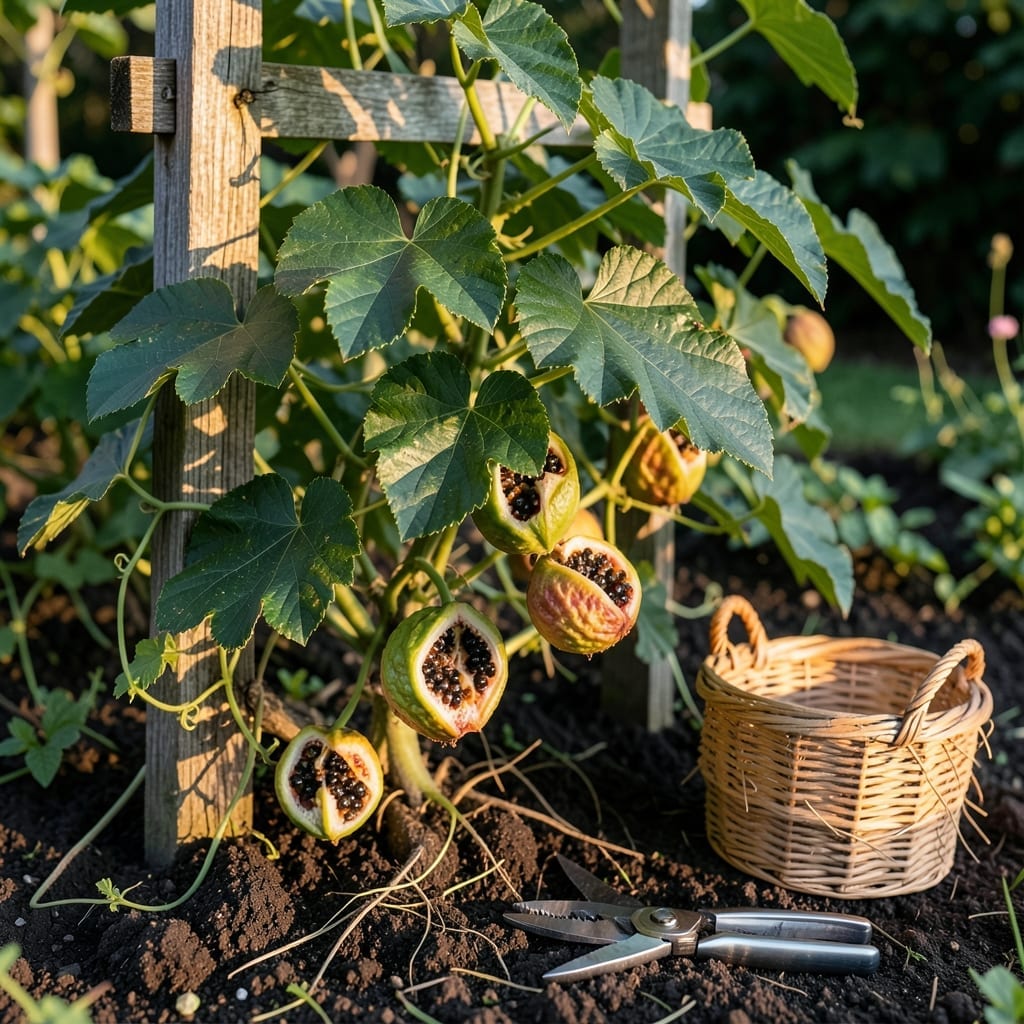
That moment when your passion fruit turns from perfect to pulpy overnight. I’ve lost count of how many I’ve rescued from the compost bin with a few simple tricks.
Overripeness doesn’t mean game over. The flesh stays usable for 2-3 days past peak if you act fast—scoop it out, freeze it, or turn it into something sweet.
Prevention starts at harvest: pick when the skin wrinkles slightly and the fruit gives under gentle pressure. Store in a cool, dry spot to slow the ripening process.
Even the most overripe fruit has a second life. The seeds and pulp can be saved for future plants, and the flavor intensifies in ways that work for desserts or drinks.
Passion fruits don’t ripen like most fruits—they don’t continue to mature after harvest. Instead, they overripen due to a few key factors, often tied to their natural biology or handling. Below are the most common causes, explained in simple, actionable terms.
Passion fruits thrive in warm climates, but prolonged exposure to high temperatures (above 90°F/32°C) accelerates their metabolic processes. This speeds up the breakdown of cell walls, leading to mushy textures and fermented flavors. Heat stress also triggers ethylene production, a natural plant hormone that hastens ripening—and overripening—even after picking.
Unlike some fruits, passion fruits don’t ripen off the vine. If left too long, they’ll overripen while still attached. The fruit’s sugar content peaks at maturity, but enzymes like pectinase continue breaking down pectin (the compound that keeps fruit firm). Once this process starts, the clock is ticking—usually just 3–5 days before the fruit turns.
Storing passion fruits at room temperature in a closed container traps ethylene gas, which speeds up decay. Even in the fridge, moisture buildup can cause mold or premature softening. The ideal storage? A cool, dry place (50–55°F/10–13°C) with good airflow to slow enzyme activity without halting it completely.
Over-fertilizing with nitrogen can lead to excessive vine growth at the expense of fruit quality, resulting in thin-skinned, fast-decaying passion fruits. Conversely, a potassium deficiency weakens cell structure, making the fruit more prone to bruising and overripening. Balanced soil nutrition (with a focus on potassium and phosphorus) helps maintain firmness.
Don’t toss those soft, wrinkled passion fruits just yet! With a few simple tricks, you can rescue their flavor and reduce waste. Here’s how to tackle the most common issues:
If the fruit is overly soft but not moldy, scoop out the pulp and blend it into a smooth purée. Use it as a topping for yogurt, ice cream, or pancakes. For a tangy sauce, simmer the purée with a little sugar and lime juice until thickened—perfect for drizzling over desserts or grilled meats. Prevention tip: Harvest fruits when they’re plump but slightly wrinkled, not rock-hard or squishy. 💡
A slightly fermented passion fruit can still be useful! Strain the seeds and pulp, then mix the juice with equal parts water and sugar to create a tropical syrup for cocktails or mocktails. For a longer shelf life, ferment the juice with a vinegar mother to make passion fruit vinegar—great for dressings or marinades. Prevention tip: Store ripe fruits in the fridge to slow down fermentation. ✨
If only the outer skin shows mold, cut the fruit open and inspect the pulp. If it looks and smells fresh, scoop it out and use it immediately in smoothies or baking. Discard any pulp with off colors or odors. Prevention tip: Avoid stacking fruits in storage—keep them in a single layer with good airflow. 🌡️
Overripe passion fruits can turn overly tart. Counteract the bitterness by mixing the pulp with honey, agave, or a splash of orange juice. This works especially well in jams, sorbets, or salad dressings. Prevention tip: Pick fruits when they naturally drop from the vine for peak sweetness. 🎯
Discard if the pulp smells sour or has mold. A strong fermented odor or mushy texture means it’s past saving.
Yes! Rinse and dry seeds from salvageable fruit. Plant them for new vines or use as a crunchy topping.
High heat and trapped ethylene gas speed up decay. Store in a cool, ventilated area to slow this.
Keep at 50–55°F (10–13°C) in a single layer. This extends freshness by 3–5 days.