
Beautiful Plants For Your Interior
Beautiful Plants For Your Interior
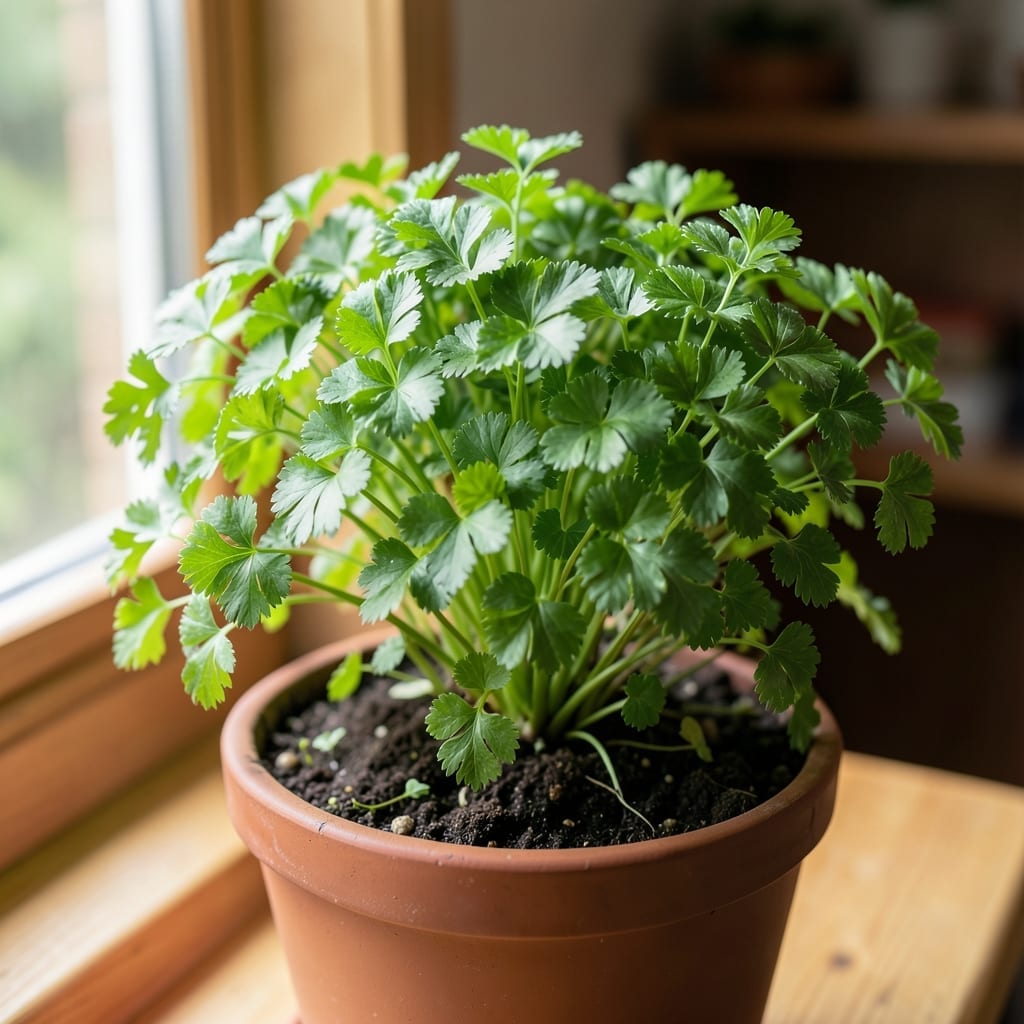
Yellow leaves on parsley always signal something’s off. I’ve seen this happen too often—overwatering, poor drainage, or even too much sun can turn healthy plants sad and droopy.
Wilting usually means roots are struggling, whether from soggy soil or dry spells. Sometimes pests like aphids sneak in, sucking the life out of your plants before you notice the damage.
Diagnosing starts with checking the soil and leaves closely. Most fixes are simple: adjust watering, improve air flow, or treat with neem oil for bugs.
The good news? Parsley bounces back fast once you address the issue. Healthy plants reward you with fresh green growth in just a week or two.
Parsley is a hardy herb, but even the toughest plants can falter under the wrong conditions. Understanding why your parsley is wilting or turning yellow is the first step toward revival. Below are the most common causes, broken down with clear, science-backed explanations.
Parsley thrives in well-draining, nutrient-rich soil with a pH between 6.0 and 7.0. Compacted or waterlogged soil suffocates roots, reducing oxygen uptake and leading to root rot. Conversely, sandy or nutrient-poor soil starves the plant of essential minerals like nitrogen (N), phosphorus (P), and potassium (K), causing yellowing leaves (chlorosis) and stunted growth.
Both overwatering and underwatering stress parsley. Overwatering drowns roots, promoting fungal infections like Phytophthora or Pythium, which manifest as wilting and yellowing. Underwatering, on the other hand, causes turgor loss (cell pressure drop), leading to limp, dry foliage. Parsley prefers consistent moisture—think damp, not soggy.
Parsley needs 4–6 hours of sunlight daily. Too little light weakens photosynthesis, resulting in pale, leggy growth. Excessive heat (above 85°F/29°C) or cold snaps (below 32°F/0°C) disrupt enzyme activity, causing oxidative stress. This often appears as scorched edges or widespread yellowing.
Sap-sucking pests like aphids, spider mites, and whiteflies pierce parsley leaves, draining vital fluids and spreading viruses. Their feeding damage triggers nutrient deficiencies and stippling (tiny yellow speckles). Meanwhile, root-knot nematodes attack underground, causing wilting and poor growth.
High humidity or poor air circulation invites foliar diseases like powdery mildew (white powdery spots) or bacterial leaf spot (dark, water-soaked lesions). These pathogens block stomata (leaf pores), impairing gas exchange and leading to yellowing or necrosis (tissue death).
Tackle parsley plant problems head-on with these practical, easy-to-follow solutions for common issues.
Fix: Yellowing often signals overwatering or nutrient deficiency. Let the soil dry slightly between waterings, and check drainage. Apply a balanced liquid fertilizer (10-10-10) every 4–6 weeks during growing season. If the issue persists, test soil pH—parsley prefers 6.0–7.0.
Prevent: Water at the base, not the leaves, to avoid fungal growth. Use well-draining soil and containers with drainage holes. 💡 Pro tip: Mulch to retain moisture without soggy roots.
Fix: Wilting usually means underwatering or heat stress. Water deeply when the top inch of soil feels dry. Move potted parsley to shade during peak afternoon heat. For root rot, trim affected roots and repot in fresh, dry soil.
Prevent: Keep soil consistently moist but not waterlogged. Use a humidity tray or mist leaves in dry climates. ✨ Pro tip: Group plants together to create a microclimate with higher humidity.
Fix: Spray aphids or spider mites off with water or treat with insecticidal soap. For whiteflies, use yellow sticky traps. Remove heavily infested leaves immediately.
Prevent: Inspect new plants before bringing them near your parsley. Encourage beneficial insects like ladybugs. 🎯 Pro tip: Plant companion herbs like basil or dill to deter pests naturally.
Fix: Remove infected leaves and improve air circulation. Apply a copper-based fungicide for severe cases. Avoid overhead watering to keep foliage dry.
Prevent: Space plants 8–12 inches apart. Water early in the day so leaves dry quickly. 🌡️ Pro tip: Rotate crops annually to prevent soil-borne fungi.
Yellow leaves often mean overwatering or poor drainage. Check soil moisture and ensure pots have drainage holes. A balanced fertilizer can help if the issue is nutrient deficiency.
Wilting usually indicates underwatering or heat stress. Water deeply when soil feels dry and move plants to shade during peak heat. For root rot, trim affected roots and repot.
Inspect plants regularly and use neem oil or insecticidal soap for aphids. Encourage beneficial insects like ladybugs and maintain good air circulation.
Yes! Remove infected leaves and improve airflow. Apply a copper-based fungicide if needed and avoid overhead watering to keep foliage dry.