
Beautiful Plants For Your Interior
Beautiful Plants For Your Interior
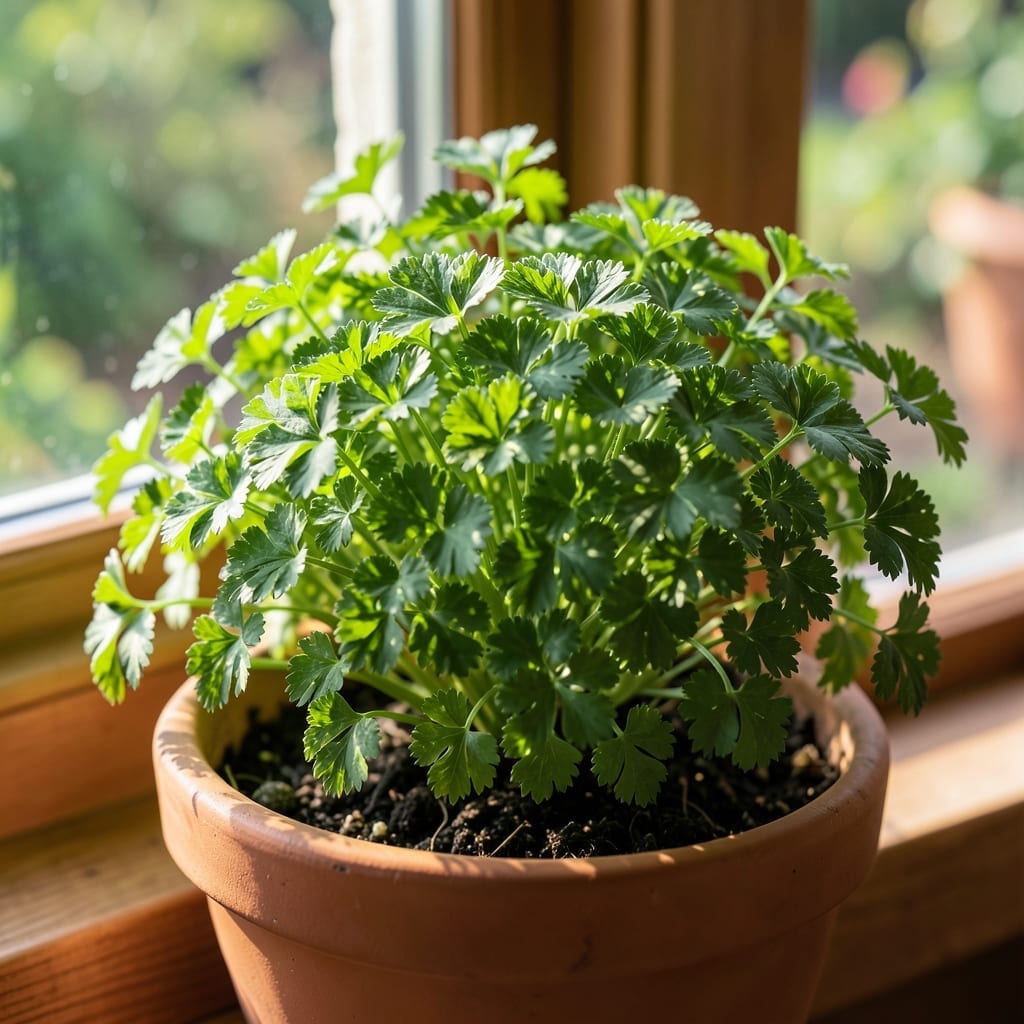
That parsley-like invader in your garden might be fool’s parsley. I’ve pulled more than my share thinking it was a late-sprouting herb.
Wild carrot and fool’s parsley mimic flat-leaf parsley’s ferny look, but the stems tell the story—parsley’s are smooth, while the imposters have hairy or ridged stems. Some are toxic, so identification matters before you touch or taste.
Pull them by hand early, before they seed and spread. A 2-inch deep tug usually gets the root, and gloves keep skin safe from potential irritants.
Double-check with a field guide or app if you’re unsure. Better to be certain than sorry.
Parsley-looking weeds often appear in gardens due to a few common causes. Understanding these can help you prevent and manage them effectively.
Many weeds that resemble parsley, such as wild carrot (Daucus carota) or poison hemlock (Conium maculatum), produce seeds that spread easily. Wind can carry lightweight seeds over long distances, while animals may transport them on their fur or through digestion. Once deposited in fertile soil, these seeds germinate quickly, especially in disturbed or bare patches of earth.
Some parsley-like weeds are prolific self-seeders. If even a single plant is left to mature, it can drop hundreds of seeds into the soil, leading to a new generation of weeds the following season. This is particularly common with wild parsley (Torilis japonica), which thrives in gardens and lawns with minimal competition.
Weed seeds can lurk in store-bought soil, compost, or manure. If these materials aren’t properly heat-treated or aged, dormant seeds may survive and sprout when conditions are right. Always source compost from reputable suppliers or ensure your homemade compost reaches temperatures high enough (140–160°F) to kill weed seeds.
Overwatering, under-mulching, or inconsistent weeding can create an ideal environment for parsley-like weeds. Bare soil and weak turf invite opportunistic plants to take root. Regularly mulch garden beds and maintain healthy plant density to suppress weed growth naturally.
If you’ve spotted a parsley-looking weed in your garden, don’t panic—here’s how to tackle it effectively. Below are practical solutions tailored to common causes, along with prevention tips to keep your garden weed-free.
For small or isolated patches, hand-pulling is the simplest method. Grab the weed at its base and pull firmly to remove the entire root system. This works best when the soil is moist, as roots come out more easily. Prevention tip: 💡 Mulch your garden beds to suppress weed growth and retain moisture.
If the weed has spread across your lawn, use a selective herbicide labeled for broadleaf weeds. Apply it carefully to avoid harming your grass. Opt for a spot-treatment approach to minimize chemical use. Prevention tip: ✨ Mow your lawn regularly at the correct height to shade out weeds and promote healthy grass.
For weeds with deep or stubborn roots, digging is your best bet. Use a garden fork or trowel to loosen the soil around the root, then lift it out entirely. Ensure you remove all root fragments to prevent regrowth. Prevention tip: 🎯 Plant densely to crowd out weeds and reduce open spaces where they can take hold.
Prefer a chemical-free approach? Try boiling water or a vinegar solution (1 gallon of vinegar + 1 cup of salt + 1 tbsp dish soap). Spray directly on the weed, avoiding nearby plants. Repeat as needed. Prevention tip: 🌡️ Solarize soil in infested areas by covering it with clear plastic for 4-6 weeks to kill weed seeds.
With these methods, you’ll reclaim your garden in no time—just stay consistent and proactive!
Check the stems: real parsley has smooth, hairless stems. Weeds like fool’s parsley or wild carrot often have hairy or ridged stems. Also, real parsley smells strongly of herbs when crushed.
Not all, but some are toxic. Poison hemlock, for example, can be deadly if ingested. Always wear gloves when handling unknown plants and avoid tasting them.
Pull by hand early, wearing gloves. Use a trowel for deep roots to ensure full removal. For lawns, spot-treat with a selective herbicide labeled for broadleaf weeds.
Avoid composting if they’ve seeded or are toxic. Heat is needed to kill seeds, so only add them to a hot compost pile (reaching 140-160°F).