
Beautiful Plants For Your Interior
Beautiful Plants For Your Interior
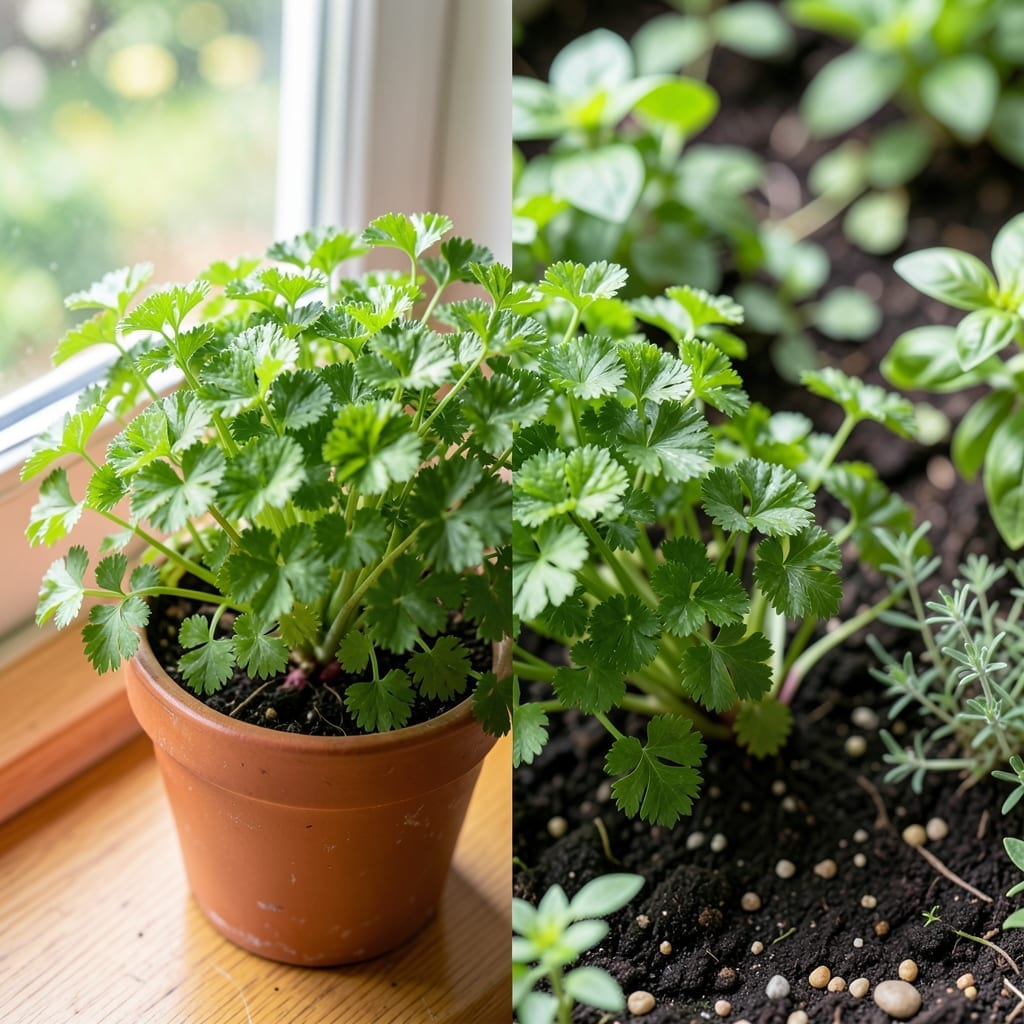
Parsley is called ‘ajmood’ or ‘ajwain ke patte’ in Hindi, referring to its leafy green appearance and mild, fresh flavor commonly used in culinary dishes.
I love how this herb bridges cuisines, as ajmood brings a bright, clean taste that works beautifully in Indian chutneys and garnishes. While it resembles cilantro, its flavor is more subtle, making it a versatile addition to both traditional and modern recipes. Many home cooks in urban areas now grow it for fresh access. ✨
💡 In This Article
Ajmood arrived in India through colonial trade routes in the 18th-19th centuries, brought by British and Portuguese traders. Unlike native herbs, its mild flavor made it a perfect complement to rich Indian spices without overpowering them. This subtle taste profile allowed it to integrate seamlessly into dishes like biryanis and soups. 🌟
What sets ajmood apart from cilantro is its chemical composition. While cilantro contains aldehydes that some find soapy, ajmood has higher levels of apigenin, a compound that gives it a cleaner, slightly sweet taste. This makes it ideal for delicate dishes where strong flavors would clash.
In modern Indian kitchens, ajmood serves multiple purposes. It’s commonly used as a garnish for its vibrant green color, added to chutneys for freshness, or brewed into teas for digestive benefits. The herb’s versatility has made it a staple in urban households, particularly in metropolitan areas where fusion cuisine is popular. ✨
Interestingly, ajmood’s introduction coincided with the rise of Anglo-Indian cuisine. Dishes like parsley rice and herb-infused curries emerged as culinary bridges between cultures. Today, it’s often grown in home gardens alongside traditional Indian herbs, symbolizing this beautiful fusion.
For those new to ajmood, its mildness makes it perfect for experimenting. Try adding 1-2 tablespoons of finely chopped leaves to your next raita or soup—you’ll notice how it enhances without dominating. This adaptability is why it’s gained such widespread acceptance in Indian cooking. 💫
In Bengali it’s called pashneepata, while in Tamil it’s known as kothamalli ilai. The names vary by region but all refer to the same leafy green herb with its distinct mild flavor.
Ajmood has a cleaner, slightly sweeter taste than cilantro. Some find cilantro soapy due to aldehydes, while ajmood contains apigenin giving it a more subtle, fresh profile that complements Indian spices beautifully.
Yes, but use 1.5 times the amount since its flavor is milder. It works particularly well in chutneys, raitas, and garnishes where you want freshness without overpowering other flavors.
Trim the stems and place in a glass with 1 inch of water. Cover loosely with a plastic bag and refrigerate. This keeps it fresh for up to 1 week, changing water every 2 days.