
Beautiful Plants For Your Interior
Beautiful Plants For Your Interior
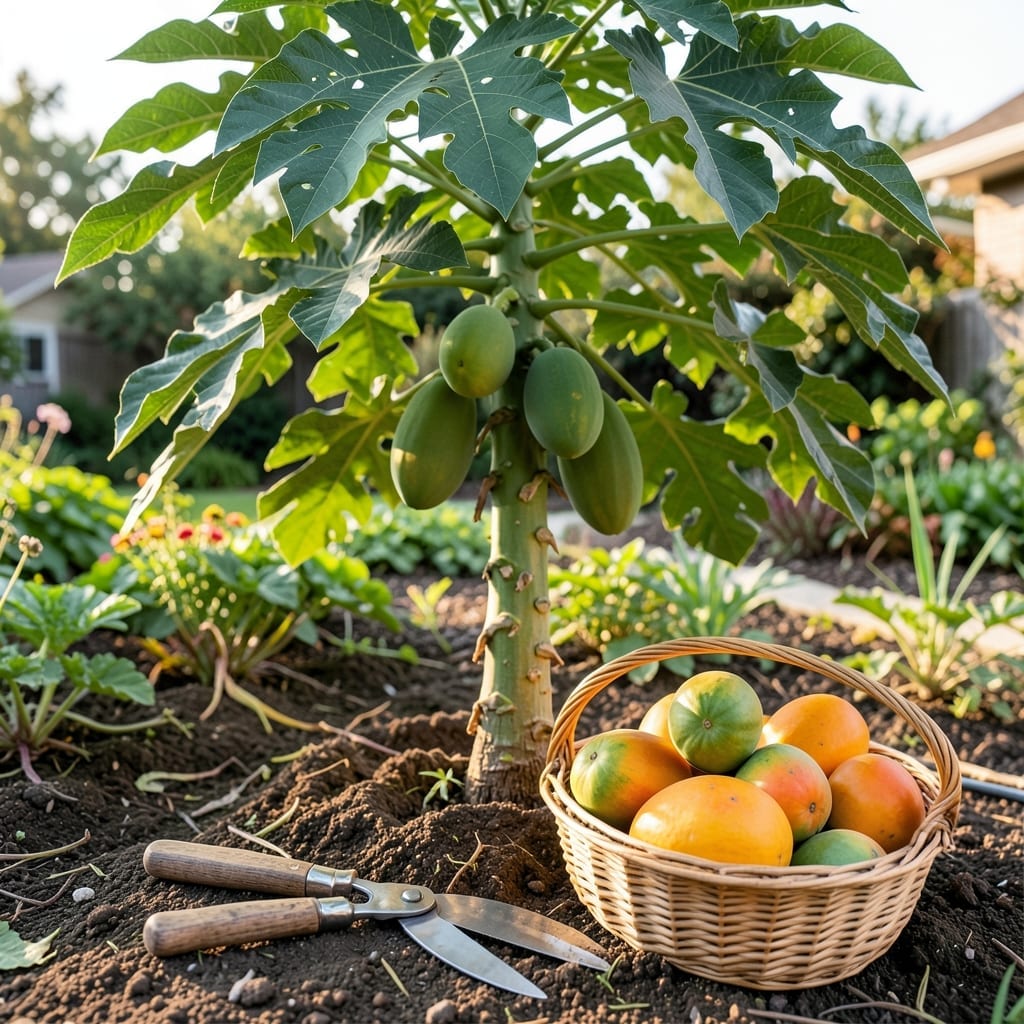
Ever noticed how some papayas look like giant footballs while others are more modest in size? For home gardeners, the 🍈 Papaya’s dimensions tell a story about its variety and growing conditions.
What you might not realize is that the size of your fruit can significantly impact flavor and texture. It’s not just about looks—it’s about the eating experience.
I’ve learned that with the right care, you can influence how big your papayas grow. Whether you’re aiming for hefty fruits or prefer smaller, sweeter ones, understanding these factors is the key.
Let me walk you through what determines papaya size and how you can cultivate the perfect harvest in your own backyard.


If you’re growing papaya trees in your garden, understanding the typical fruit size for each variety is essential. The size can vary dramatically based on the cultivar and your growing conditions, so let’s break it down.
For example, Hawaiian papayas are usually smaller, averaging 1-2 pounds with a length of 6-10 inches. Meanwhile, Mexican varieties can grow much larger, often reaching 10-20 pounds and 15-20 inches in length. 🌱
Climate plays a huge role in papaya fruit size. In warm, tropical climates like USDA Zones 10-11, papayas thrive and tend to produce larger fruits. Cooler climates or inconsistent temperatures can stunt growth.
Soil quality also impacts size. Well-draining soil rich in organic matter encourages robust growth, while poor soil can lead to smaller, less flavorful fruits. I always recommend amending your soil with compost before planting. 🌿
Watering habits are another key factor. Consistent moisture is critical, especially during the fruit development stage. Drought stress can cause fruit drop or undersized papayas. Aim for deep watering at least once a week.
Don’t underestimate the power of fertilization. Papayas are heavy feeders, so a balanced 8-3-9 fertilizer applied every 4-6 weeks can significantly boost fruit size. Just be sure to follow the recommended dosage to avoid overfeeding.
Pollination is often overlooked but vital. Hand-pollinating can improve fruit set and size, especially if you notice poor pollination in your garden. Use a soft brush to transfer pollen between flowers in the early morning.
Pest and disease control also play a role. Aphids and whiteflies can stress the plant, reducing fruit size. Regularly inspect your papaya tree and treat infestations promptly with neem oil or insecticidal soap. ✂️
Finally, pruning can help direct the plant’s energy toward fruit production. Remove dead or diseased branches and thin out excess foliage to improve airflow and light penetration. This simple step can lead to bigger, healthier fruits.
Knowing when to harvest your papaya fruit is crucial for the best flavor and texture. I always check the size and color first, as these are the most reliable indicators of ripeness for home gardeners.
The average papaya reaches 7-10 inches in length when mature, but this varies by cultivar. I recommend using a measuring tape for accuracy, especially if you’re new to growing papayas.
I’ve found that Hawaiian varieties tend to be smaller, averaging 1-2 pounds, while Mexican types can grow much larger. Always compare your fruit’s current size to its variety’s typical range.
Another trick I use is the “ring test”. When you tap a ripe papaya, it should sound hollow. Combine this with size measurements for the most accurate harvest timing.
Remember that growing conditions affect size. In my experience, papayas grown in full sun with consistent watering reach their maximum potential size faster.
For best results, I recommend checking your papayas every 2-3 days as they near maturity. The final size increase happens quickly, and you don’t want to miss the perfect harvest window.
☀️