
Beautiful Plants For Your Interior
Beautiful Plants For Your Interior
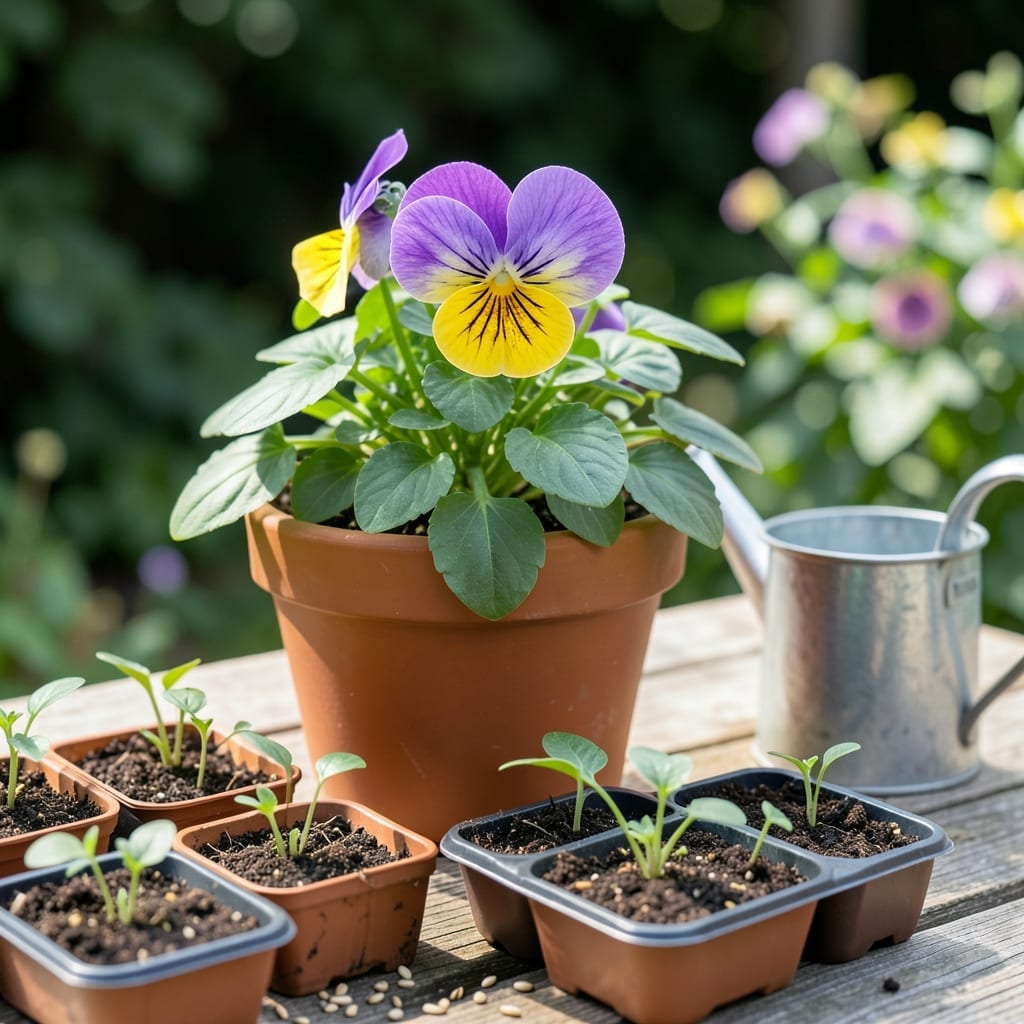
Growing vibrant 🌸 Pansy from seed offers rewards beyond the blooms. Yet many gardeners struggle with germination, not realizing how small tweaks make all the difference.
I’ve tested countless methods to find what truly works for these cold-hardy flowers. The key lies in timing, technique, and a bit of patience—no fancy tools required.
Discover how to transform tiny seeds into thriving seedlings with minimal fuss. Whether you’re a beginner or seasoned gardener, these insights will set you up for success.
Let’s break down the fastest, most reliable ways to get your Pansy seeds sprouting, even in less-than-perfect conditions.
Starting pansy seeds indoors gives you a head start on the growing season, especially in colder climates. I’ve found that using a sterile seed starting mix prevents damping-off and ensures healthy sprouts. Keep the soil light and fluffy for best results.
Maintain a consistent temperature of 65-70°F for optimal germination. A heat mat can help if your home runs cool. Pansy seeds need light to germinate, so avoid burying them too deeply.
Steps to Germinate Pansy Seeds Indoors:
I always use grow lights to supplement natural light, especially in early spring when days are shorter. Position the lights 2-3 inches above the soil and adjust as seedlings grow. This prevents leggy seedlings that struggle later.
Once seeds are sown, mist the soil gently to avoid dislodging them. A spray bottle works better than a watering can for this delicate stage. Covering the tray with plastic wrap maintains humidity, which is crucial for germination.
Check daily for moisture levels and condensation. If the plastic feels dry, mist again. Too much water can cause mold or rot, so balance is key. I’ve lost trays to overwatering—learn from my mistakes!
When you see the first green shoots, remove the plastic cover. At this point, your seedlings need air circulation to prevent fungal issues. Keep the soil moist but allow the surface to dry slightly between waterings.
Once seedlings develop true leaves (the second set), it’s time to thin them. Use small scissors to snip unwanted seedlings at soil level. This avoids disturbing the roots of the ones you keep.
Harden off seedlings by placing them outside for increasing intervals over a week. Start with 1-2 hours in a shaded spot and gradually increase sun exposure. This prepares them for transplanting.
Transplant into the garden after the last frost date, spacing plants 6-8 inches apart. Pansies thrive in cool weather, so early spring or fall planting works best in most zones.
With proper care, your pansy seedlings will reward you with vibrant blooms that last through multiple seasons. The effort is worth it for these cheerful, cold-hardy flowers 🌸
Getting pansy seeds to sprout requires the right environment. I’ve found that maintaining consistent moisture and proper temperature is key. Without these, even the best seeds can fail to germinate.
The ideal soil pH for pansies is 5.4 to 5.8. A slightly acidic mix works wonders. Temperature matters too—aim for 65-70°F for the fastest results. Cooler soil slows germination significantly.
| Requirement | Specification |
|---|---|
| Soil pH | 5.4-5.8 |
| Temperature | 65-70°F |
| Light | Indirect until sprouting |
| Moisture | Consistently damp |
Light is another critical factor. Unlike some seeds, pansy seeds don’t need light to germinate. In fact, I cover mine lightly with seed starting mix to keep them moist. Once sprouted, move them to bright, indirect light.
Humidity helps too. I use a plastic dome or clear plastic wrap to trap moisture. This prevents the soil from drying out. Remove the cover once sprouts appear to avoid mold.
Avoid overwatering—this is a common mistake. Soggy soil leads to rot. Instead, mist the surface gently to keep it evenly moist. A spray bottle works perfectly for this.
Lastly, don’t rush the process. Pansies typically germinate in 10-14 days under ideal conditions. Patience pays off when you see those first green shoots pushing through the soil.
With these conditions dialed in, you’ll have strong, healthy pansy seedlings ready for transplanting in no time 🌱