
Beautiful Plants For Your Interior
Beautiful Plants For Your Interior
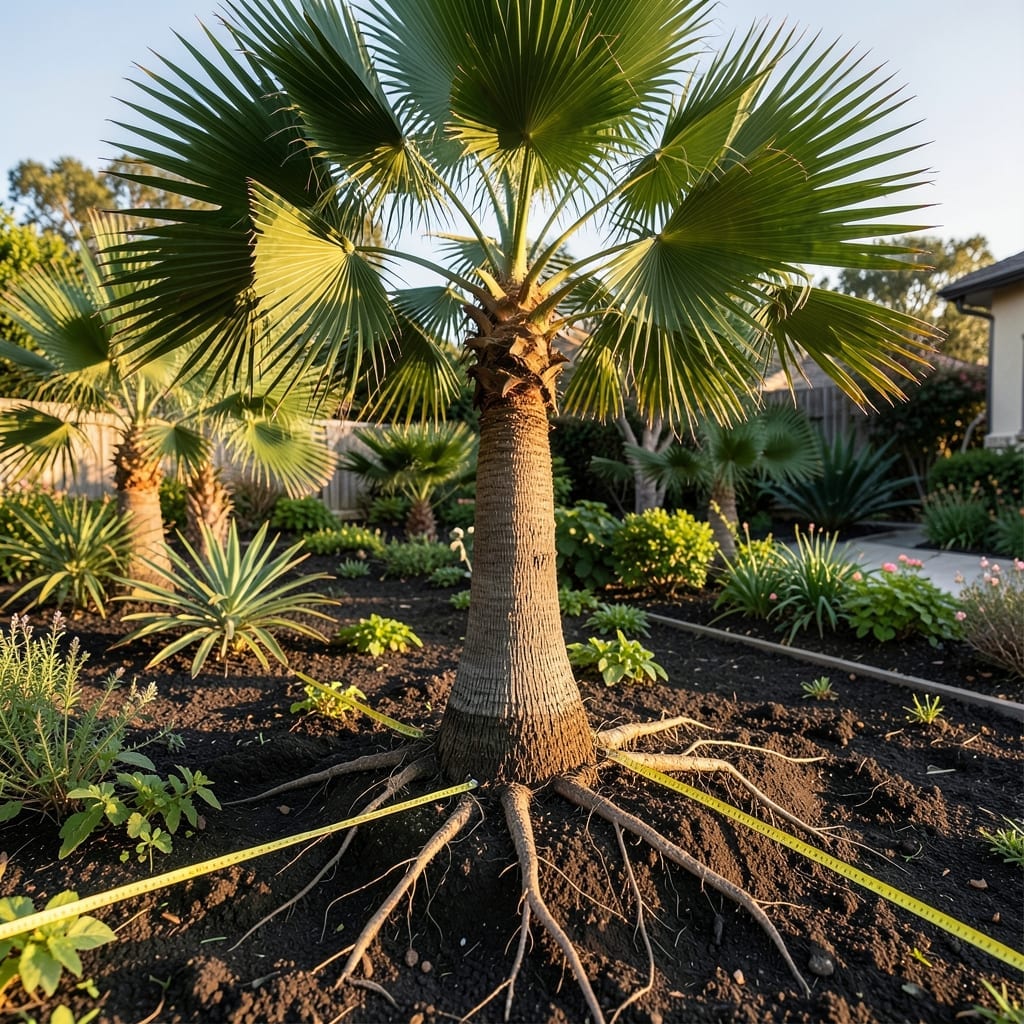
Palm trees conjure images of tropical paradises, but their underground root systems are just as fascinating as their towering fronds. The 🌴 Palm Tree doesn’t grow deep roots like other trees, which surprises many gardeners.
Understanding how these roots spread is the key to proper planting and care. It affects everything from irrigation to avoiding damage to nearby structures.
I’ll break down what you need to know about their unique growth pattern and why it matters for your landscape. Let’s dig in.
If you’ve ever wondered about palm tree roots depth, you’re not alone. Many gardeners assume these trees have deep taproots, but the reality is quite different. Most palm species develop a fibrous root system that stays surprisingly shallow.
Typically, palm roots grow 1 to 3 feet deep, but they can spread outward 50 feet or more. This wide, shallow network helps them absorb water and nutrients efficiently in their native environments.
| Requirement | Specification |
|---|---|
| Depth Range | 1-3 feet |
| Spread Range | Up to 50+ feet |
| Root Type | Fibrous |
| Primary Growth | Horizontal spread |
Unlike oak or pine trees with deep taproots, palms evolved in sandy, well-draining soils where surface water is abundant. Their roots prioritize horizontal expansion over depth to maximize water absorption during brief tropical rains.
This shallow system means palms are highly sensitive to soil conditions. Compacted or waterlogged soil can suffocate their roots, leading to poor growth or even root rot. That’s why proper drainage is non-negotiable.
I’ve seen many gardeners make the mistake of planting palms too close to structures. With roots spreading far beyond the canopy, they can lift sidewalks or damage foundations over time. Always give them plenty of space.
For younger palms, the root ball is relatively compact, but as they mature, those fibrous roots extend dramatically. A good rule of thumb is to plant at least 10 feet away from buildings or paved areas.
The depth may be shallow, but the root density is impressive. In ideal conditions, palms develop a thick mat of roots in the top 12-18 inches of soil. This helps them anchor against strong winds.
Remember, root depth can vary by species. Some dwarf palms like the Pygmy Date Palm have even shallower roots, while larger species like the Canary Island Date Palm may push slightly deeper.
In my experience, the key to healthy palms is understanding this unique root structure. It explains why they thrive with frequent, shallow watering rather than deep, infrequent soaks. 🌿
The shallow root system of palm trees has major implications for your landscape. Since roots stay near the surface, they require frequent watering to prevent drought stress. Unlike deep-rooted trees, palms can’t access moisture far below ground.
This also means they’re more susceptible to nutrient deficiencies if the topsoil lacks essential minerals. Regular feeding with a palm-specific fertilizer helps maintain their health and vibrant fronds.
The wide root spread makes palms excellent for erosion control on slopes, as their fibrous roots help stabilize soil. However, this same trait can cause problems if planted too close to sidewalks or driveways.
I always recommend planting palms at least 10-15 feet from any hard surfaces. For dwarf varieties, you might get away with 6-8 feet, but it’s better to err on the side of caution. The last thing you want is cracked pavement.
Another consideration is root competition. Palm roots will outcompete most grasses and shallow-rooted plants for water and nutrients. That’s why you’ll often see bare soil or specific ground covers under mature palms.
Finally, remember that shallow roots make palms more wind-sensitive when young. Proper staking during establishment and adequate watering helps them develop a strong root system to anchor against storms. 🌳