
Beautiful Plants For Your Interior
Beautiful Plants For Your Interior
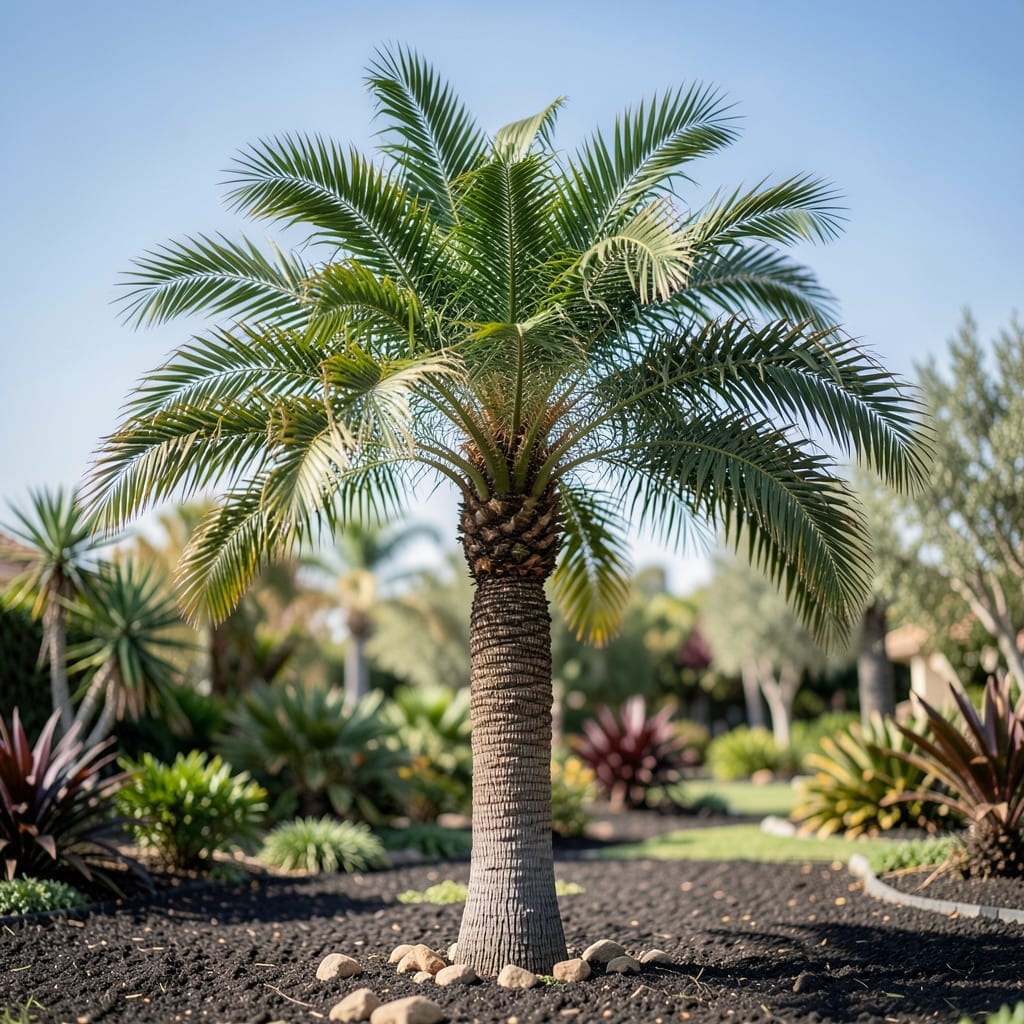
Picture pulling up to your home and being greeted by the tropical elegance of a mature 🌴 Palm Tree. That instant wow factor isn’t just luck—it’s the result of thoughtful design choices that transform ordinary curb appeal into something extraordinary.
Choosing the right Palm Tree for your front yard means considering more than just height. You’ll want to think about how its shape complements your home’s architecture and the space you have to work with.
But here’s the real secret: the magic happens when you pair your Palm Tree with the right companion plants and strategic placement. It’s all about creating balance and visual interest.
Let me walk you through how to make your front yard the envy of the neighborhood with a few simple but powerful design tips.
Choosing the right palm tree for your front yard starts with understanding your climate zone and available space. Not all palms thrive in every region, so selecting a cold-hardy or drought-tolerant variety is essential for long-term success.
For smaller yards, dwarf palms like the Pygmy Date Palm or Sago Palm offer tropical charm without overwhelming the space. These compact varieties typically reach 8-12 feet at maturity, making them ideal for entryway accents or container planting.
| Variety | Mature Height | Cold Hardiness | Growth Rate | Best For |
|---|---|---|---|---|
| Mediterranean Fan Palm | 10-15 ft | 15°F (-9°C) | Slow | Small yards, containers |
| Windmill Palm | 20-30 ft | 5°F (-15°C) | Moderate | Cold climates, focal points |
| Queen Palm | 40-50 ft | 20°F (-7°C) | Fast | Tropical look, large spaces |
| Pygmy Date Palm | 8-12 ft | 20°F (-7°C) | Slow | Patios, entryways |
For homeowners in warmer climates, the Queen Palm or Canary Island Date Palm can create a dramatic tropical statement. These taller varieties need plenty of vertical space and are best suited for large front yards or driveway lining.
If you’re in a cooler region, consider the Windmill Palm or Needle Palm, both of which can tolerate sub-freezing temperatures. These hardy palms maintain their lush green fronds even in winter months, providing year-round appeal.
Remember that mature height isn’t the only factor—consider the canopy spread too. A palm with wide fronds might shade your front walkway or windows, which could be a pro or con depending on your needs.
For a modern aesthetic, the Paurotis Palm offers a sleek, architectural look with its fan-shaped leaves and smooth trunk. It’s perfect for contemporary homes and grows well in partial shade to full sun.
Before planting, check your local regulations—some palm species may be restricted in certain areas due to invasive potential. Always choose native or non-invasive varieties when possible to support your local ecosystem. 🌴
Finally, think about maintenance needs. Some palms require regular pruning to remove dead fronds, while others are low-maintenance. The Mediterranean Fan Palm, for example, is known for its easy care and drought tolerance once established.
No matter which variety you choose, proper soil preparation and initial care are crucial. I always recommend testing your soil and amending it with organic matter before planting to give your palm the best start possible. 🌱
Strategic placement of your palm tree can transform your home’s facade. I recommend positioning it slightly off-center from your front door to create visual balance without obstructing the entrance.
Consider the mature height of your palm variety. Taller species like the Canary Island date palm work best when planted 15-20 feet from structures to prevent future issues.
Pair your palm with complementary plants that share similar care needs. I love combining pygmy date palms with sago palms and agave plants for a cohesive look.
Don’t forget about hardscaping elements. A stone border or decorative mulch can enhance the tropical vibe while keeping maintenance low.
For smaller front yards, consider dwarf palm varieties like the pigmy palm or bamboo palm. These stay under 10 feet tall and work well in containers too.