
Beautiful Plants For Your Interior
Beautiful Plants For Your Interior
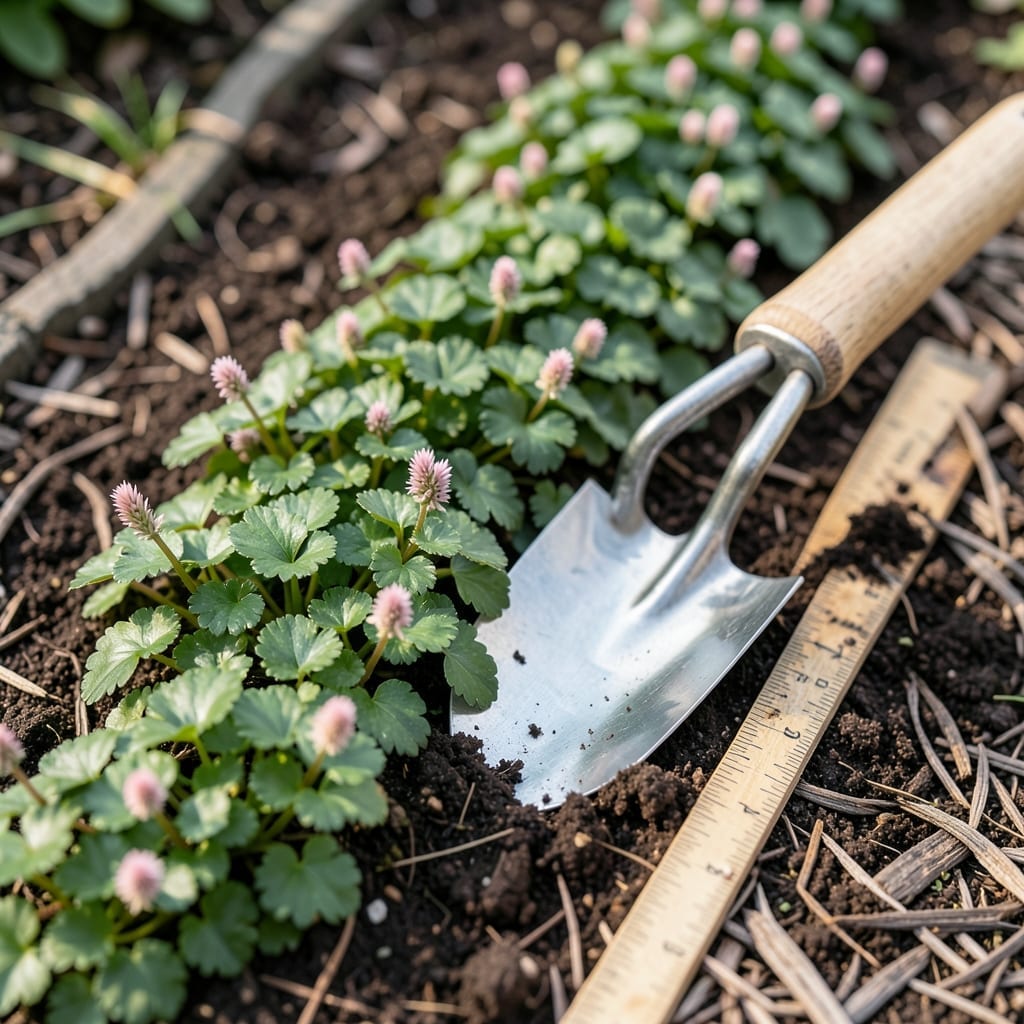
Achieving lush, weed-free ground cover with 🌿 Pachysandra starts with proper spacing. Too close and plants compete, too far and weeds take over.
This often-overlooked detail makes all the difference in creating that perfect, full coverage look. Whether you’re a seasoned gardener or just starting out, getting the spacing right is the key to success.
I’ve seen firsthand how the right layout transforms a patchy area into a thriving carpet of green. The good news? It’s easier than you might think to get it right.
Let me walk you through the optimal approach for your Pachysandra planting project. You’ll be amazed at how this one factor can change everything.

Getting pachysandra plant spacing right is key for a dense, healthy ground cover. Too close, and plants struggle for resources; too far, and weeds move in. I’ve seen both scenarios in my own garden, so I always recommend starting with variety-specific guidelines.
Different pachysandra varieties have unique growth habits. Allegro spreads aggressively, while Green Sheen grows more slowly. Terminalis falls somewhere in between. Climate and soil also play roles in how quickly they fill in.
| Variety | Mature Spread | Recommended Spacing | Best For |
|---|---|---|---|
| Allegro | 12-18 inches | 8-12 inches | Fast coverage |
| Green Sheen | 10-12 inches | 6-8 inches | Slow, dense growth |
| Terminalis | 10-14 inches | 6-10 inches | Moderate spread |
For fast fill-in, I plant Allegro at 8-inch intervals. This variety thrives in partial shade and spreads quickly, making it ideal for larger areas. Just ensure the soil is well-draining to prevent root rot.
Green Sheen is my go-to for tight spaces. Its compact growth means 6-inch spacing works well, but I’ve found it benefits from morning sun and consistent moisture. It’s perfect for shaded borders or under trees.
Terminalis is versatile, but I adjust spacing based on my goals. For quick coverage, I use 6-inch spacing. For long-term maintenance, 10 inches reduces the need for thinning later. It handles dry shade better than most ground covers.
In cold climates (USDA zones 4-5), I tighten spacing by 1-2 inches to account for slower growth. In warmer zones (7-8), I can stretch it slightly, as plants fill in faster with the longer growing season.
If you’re planting on a slope, closer spacing helps prevent erosion. I’ve used 6-inch intervals for Allegro on gentle slopes, and it stabilizes the soil beautifully while still allowing airflow.
For mixed plantings, pair pachysandra with hostas or ferns. I space pachysandra 12 inches from larger plants to give both room to thrive. This combo looks stunning and reduces maintenance.
Remember, these are starting guidelines. Monitor your plants and adjust as needed. If gaps appear, I simply tuck in a few extra plants the following season. With patience, you’ll achieve that lush, weed-free carpet every gardener dreams of 🌿
Creating a lush pachysandra ground cover starts with smart planting patterns. I recommend using a staggered layout for the most natural look, which mimics how these plants grow in nature. This approach also helps fill in gaps faster than a grid pattern.
For sloped areas, reduce spacing by 1-2 inches to prevent erosion while plants establish. In deep shade, you can stretch spacing to 12 inches since pachysandra spreads more slowly in low light.
When planting near trees or shrubs, I space pachysandra 6-8 inches apart from the trunk to avoid competition. This creates a seamless transition between your ground cover and larger plants.
For fast fill-in, consider temporary closer spacing (4-6 inches), then thin out plants after they establish. This works well for new gardens where you want immediate impact.
Remember that soil quality affects spread rate—rich, well-draining soil lets pachysandra fill in faster, so you can use wider spacing. In poor soil, I’d recommend tighter spacing initially.
Finally, mulch between plants to retain moisture and suppress weeds while your pachysandra establishes its dense mat of foliage 🌿