
Beautiful Plants For Your Interior
Beautiful Plants For Your Interior
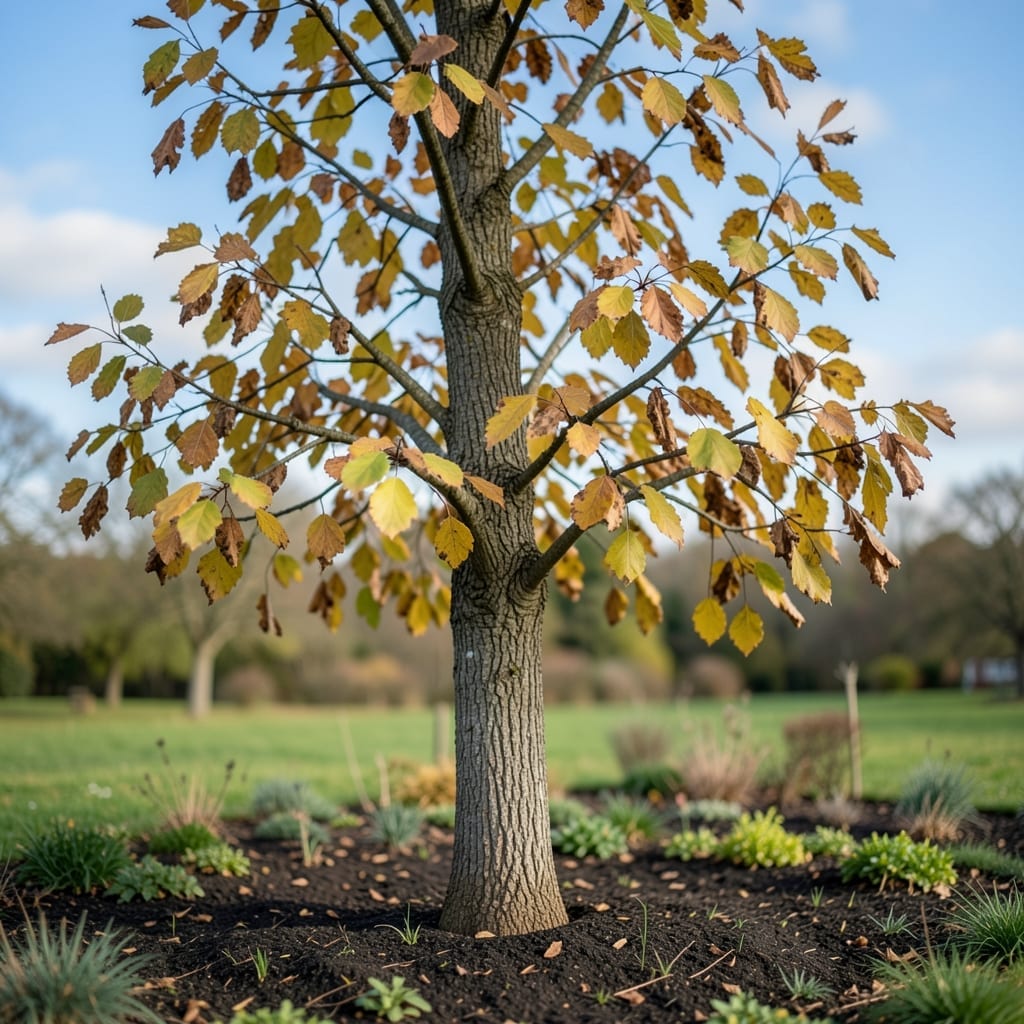
Yellow leaves on your tree aren’t always a death sentence. I’ve nursed back more overwatered trees than I can count, and the first sign is often that sickly yellow hue spreading from the bottom up.
Here’s the thing—overwatering suffocates roots, turning them from white and firm to brown and mushy. The leaves turn yellow because they’re literally drowning, unable to pull up water or nutrients from the soggy soil.
Fixing it starts with letting the soil dry out completely between waterings. I use the finger test: if the top 2-3 inches are dry, it’s safe to water. If not, walk away.
Most trees bounce back within 2-3 weeks once the roots can breathe again. The key is patience and resisting the urge to “help” with more water.
Overwatering tree leaves often stems from a few key issues, each disrupting the tree’s natural balance. Here’s why it happens:
Soil that doesn’t drain well traps excess water around the roots, suffocating them. Trees need oxygen in the root zone, and waterlogged soil prevents this exchange. Clay-heavy or compacted soil is a common culprit, as it holds moisture for too long.
Overzealous watering—whether from manual irrigation or excessive rainfall—can overwhelm a tree’s root system. Roots can’t absorb oxygen when constantly submerged, leading to stress and leaf discoloration. Even well-draining soil can’t save a tree if it’s watered too often.
Excess moisture creates the perfect breeding ground for fungal diseases like Phytophthora or Pythium. These pathogens attack roots, impairing their ability to uptake water and nutrients. As roots decay, the tree’s leaves turn yellow or brown as a distress signal.
Compacted soil or thick mulch layers can restrict airflow to the roots. Without proper aeration, roots suffocate, and the tree’s health declines. This often happens in urban landscapes where foot traffic or heavy machinery compresses the soil over time.
Addressing these causes early can help revive your tree and prevent long-term damage.
Here’s how to address the most common causes of overwatered tree leaves and restore your tree’s health:
If water pools around the roots, mix in coarse sand, perlite, or compost to loosen heavy clay soil. For potted trees, ensure the container has drainage holes at the bottom. Elevate the pot or use a stand to prevent waterlogging. Prevention tip: 💡 Test drainage by digging a 12-inch hole, filling it with water, and checking if it drains within 4 hours.
Let the top 2–3 inches of soil dry out before watering again. Use a moisture meter or stick your finger in the soil to check. Water deeply but less frequently—most trees need 1–1.5 inches of water per week, including rainfall. Prevention tip: ✨ Mulch around the base (2–4 inches deep) to retain moisture without suffocating roots.
If roots are mushy and black, trim affected roots with sterilized shears and repot the tree in fresh, well-draining soil. For fungal issues, apply a copper-based fungicide as directed. Prevention tip: 🎯 Avoid over-mulching (keep it 3–4 inches from the trunk) to prevent excess moisture buildup.
Use a garden fork or aerator to loosen compacted soil around the tree, allowing oxygen to reach the roots. For severe compaction, consider vertical mulching (drilling holes and filling them with sand or compost). Prevention tip: 🌡️ Avoid heavy foot traffic or machinery near the tree’s root zone.
Yellowing leaves, especially at the bottom, are a classic sign. Also check for wilting despite wet soil, or a foul odor from the roots. These indicate the roots are struggling to breathe.
Yes, if caught early. Prune the affected roots and repot in fresh, well-draining soil. Use a copper-based fungicide to treat fungal issues. Recovery can take 2-3 weeks with proper care.
Most trees need 1–1.5 inches of water per week, including rainfall. Always check the top 2–3 inches of soil first—if dry, it’s time to water.