
Beautiful Plants For Your Interior
Beautiful Plants For Your Interior
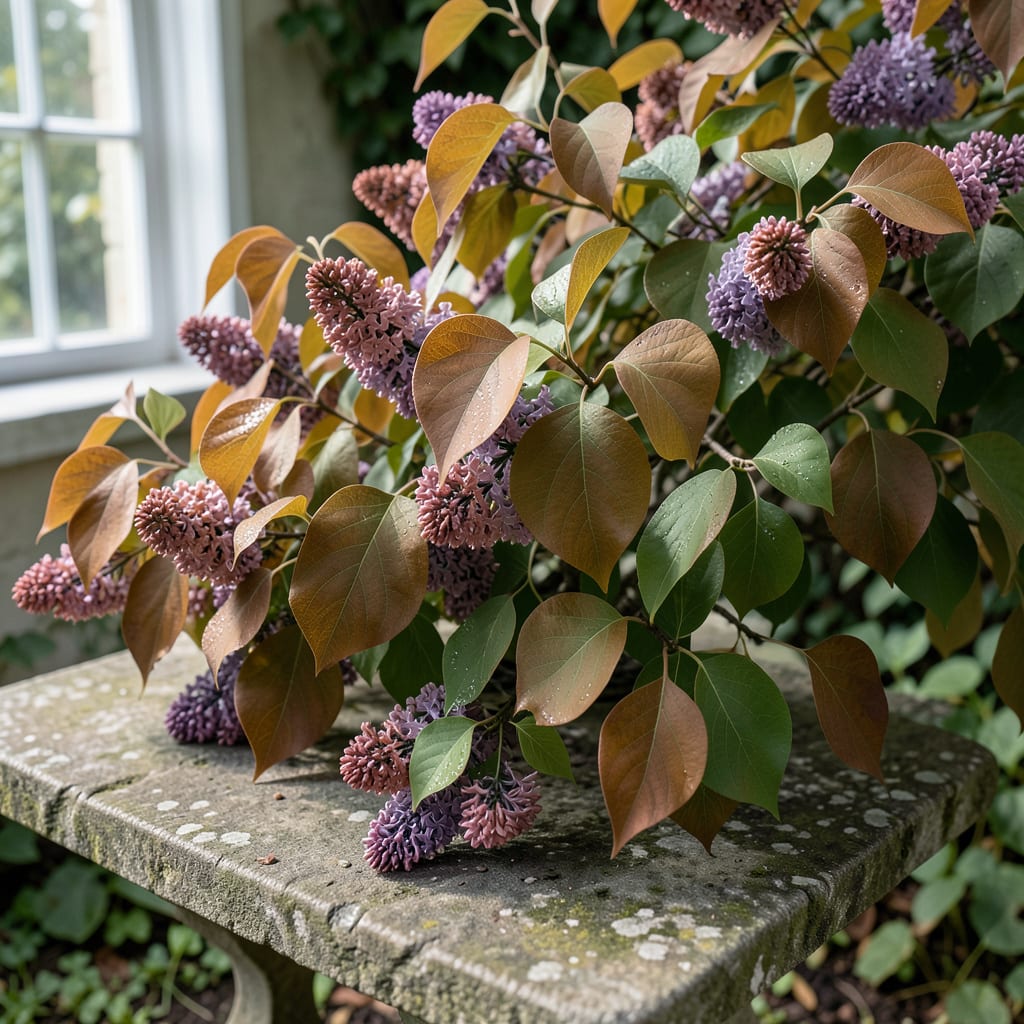
Brown leaves on your lilac tree aren’t just unsightly—they’re a distress signal. I’ve seen this happen to my own plants after a heatwave or when I got lazy with the watering schedule.
Most times, it’s either too much or too little water, but soil pH can be a sneaky culprit too. Lilacs prefer slightly alkaline soil, and when it’s off, the roots can’t absorb nutrients properly, leading to brown, crispy edges.
Diagnosing the issue starts with checking the soil moisture 2 inches down and observing the pattern of browning. The fix often involves adjusting watering habits or amending the soil.
With the right tweaks, your lilac can bounce back with vibrant green foliage and even more blooms next season. Here’s how to get to the root of the problem.
Brown leaves on your lilac tree are a distress signal, often tied to environmental stress or cultural mismanagement. Here are the most common causes, explained scientifically:
Lilacs (Syringa spp.) require consistent moisture, especially during active growth. When soil water potential drops below -1.5 MPa, stomatal closure occurs, reducing transpiration and leading to leaf scorching. Prolonged dry spells also limit nutrient uptake, exacerbating browning.
Soggy soil suffocates roots, preventing oxygen exchange. This triggers root rot (often Phytophthora or Pythium), which disrupts xylem flow. As a result, leaves can’t receive water or nutrients, turning brown from the edges inward.
Lilacs thrive in slightly alkaline to neutral soil (pH 6.5–7.5). If pH drifts too acidic (<5.5) or alkaline (>8.0), essential nutrients like iron, magnesium, or phosphorus become unavailable, causing interveinal chlorosis followed by necrosis.
Pathogens like Verticillium or Botryosphaeria infect stressed trees, blocking vascular tissues. Infected leaves develop irregular brown patches, often with a yellow halo, as toxins disrupt cell integrity.
Sudden temperature swings, frost damage, or excessive wind can rupture leaf cells. High salt concentration from road spray or de-icing agents also induces osmotic stress, pulling moisture out of leaves and causing marginal browning.
If your lilac’s leaves are turning brown, don’t panic—there are clear fixes for each cause. Below are targeted solutions to bring your plant back to health, along with tips to keep it thriving long-term.
Lilacs love slightly alkaline soil (pH 6.5–7.5). Test your soil with a kit, then amend it accordingly. If the pH is too low (acidic), add garden lime in early spring or fall. For overly alkaline soil, mix in elemental sulfur. Re-test the soil after 2–3 months to track progress.
Prevention tip 💡: Apply a thin layer of compost annually to maintain balanced pH naturally.
Brown leaves often signal water stress. If the soil is soggy, let it dry out before watering again and improve drainage by adding perlite or sand. For dry soil, water deeply once a week (more in extreme heat), ensuring moisture reaches the roots. Use a moisture meter to avoid guesswork.
Prevention tip 💡: Mulch with 2–3 inches of wood chips to retain moisture and prevent runoff.
Remove all brown or spotted leaves and dispose of them (don’t compost). For fungal problems, apply a copper-based fungicide or neem oil every 7–10 days until symptoms fade. If bacterial leaf spot is the culprit, prune affected branches in dry weather and sterilize your tools with rubbing alcohol.
Prevention tip 💡: Space plants 5–6 feet apart for airflow, and avoid overhead watering to reduce humidity.
A balanced 10-10-10 fertilizer in early spring can restore missing nutrients. For iron deficiency (yellowing with brown edges), use chelated iron. Always water after fertilizing to prevent root burn.
Prevention tip 💡: Feed lilacs once a year—over-fertilizing can harm more than help.
Water deeply once a week, ensuring moisture reaches the roots. Increase to 2-3 times weekly during extreme heat, but always check soil 2 inches down first.
Unfortunately, brown leaves won’t turn green again. However, fixing the underlying issue (water, pH, or disease) will encourage new healthy growth.
Use a home soil test kit from a garden center. Collect samples from 4-6 inches deep around the root zone for accurate results.
Yes, but only remove severely damaged leaves. Pruning opens airflow and reduces disease spread, but don’t overdo it during active growth.
