
Beautiful Plants For Your Interior
Beautiful Plants For Your Interior
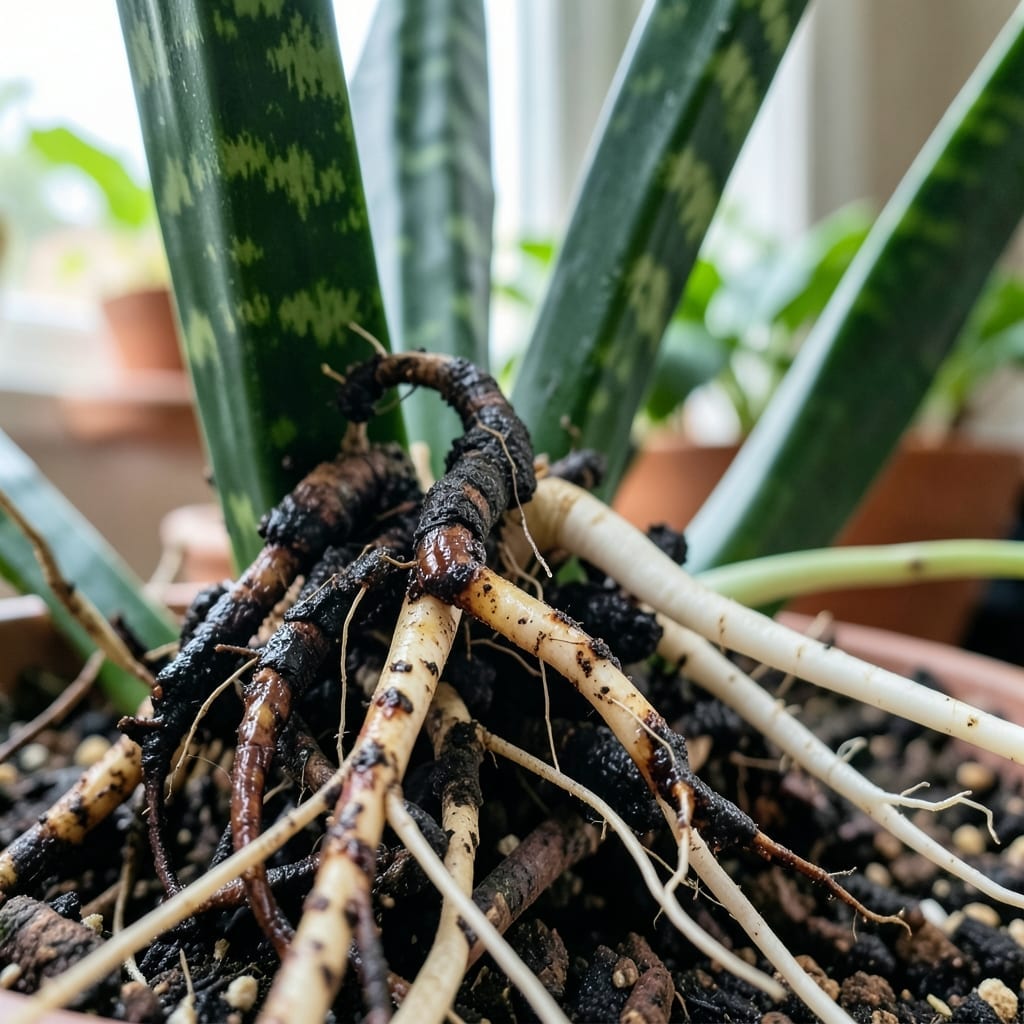
I killed my first snake plant with kindness—too much water. Learning the hard way that these tough plants rot faster from overwatering than they die from neglect.
The warning signs are subtle at first: yellowing leaves, mushy stems, soil that stays wet for days. By the time you notice, the roots may already be turning to mush. But don’t panic—this is a fixable problem.
With the right steps, you can nurse your plant back to health. It starts with letting the soil dry out completely and checking the roots for damage. Even heavily overwatered plants often bounce back with proper care.
Prevention is simpler than you think. A finger in the soil tells you more than any schedule. Here’s how to keep it from happening again.
Snake plants (Sansevieria) are hardy, but even they can fall victim to root rot when conditions turn against them. Here’s why this pesky problem happens, broken down by the most common culprits:
The primary cause of root rot in snake plants is overwatering. These succulents store water in their thick, fleshy leaves, so they don’t need frequent watering. When the soil stays soggy, it suffocates the roots, preventing them from absorbing oxygen. Anaerobic conditions set in, and harmful fungi like Phytophthora or Pythium thrive, breaking down root tissue.
Even if you water sparingly, a pot without drainage holes or compacted soil can trap moisture. Snake plants need fast-draining soil (think cactus or succulent mix) and containers that allow excess water to escape. Without this, water pools at the bottom, creating a perfect breeding ground for rot.
Cool temperatures (below 50°F/10°C) slow down evaporation and the plant’s metabolism, making it harder for the soil to dry out. Combined with high humidity, this prolongs damp conditions, increasing the risk of fungal and bacterial infections that lead to root decay.
Planting a snake plant in a pot that’s too big can also spell trouble. Excess soil retains more moisture than the roots can use, leading to waterlogged conditions. Stick to containers that are just 1–2 inches wider than the plant’s root ball to avoid this issue.
Actionable takeaway: Adjust your watering schedule, upgrade drainage, and monitor environmental conditions to keep root rot at bay.
Root rot in your snake plant is fixable if you act fast. Below are targeted solutions for each cause, plus prevention tips to keep your plant healthy long-term.
If overwatering is the culprit, stop watering immediately. Gently remove the plant from its pot and inspect the roots. Trim away any black, mushy roots with clean scissors. Repot the plant in fresh, well-draining soil (a cactus or succulent mix works best) and a pot with drainage holes. Wait at least 7–10 days before watering again to let the roots recover.
Snake plants hate soggy feet. If your pot lacks drainage holes or uses dense soil, switch to a terracotta pot with holes and a fast-draining soil mix. Add perlite or coarse sand to improve aeration. Pro tip 💡: Place a layer of pebbles or broken pottery at the bottom to enhance drainage further.
Snake plants prefer warm, dry conditions. If your plant sits in a cold, damp spot (like a basement or near an AC unit), move it to a warmer, brighter location. Avoid watering in cold weather—roots absorb moisture slower, increasing rot risk. Pro tip 🌡️: Use a moisture meter to check soil dryness before watering; the top 2–3 inches should be dry.
If rot is accompanied by a foul smell or rapid spreading, a fungal or bacterial infection may be present. Treat the roots with a fungicide (like copper-based or neem oil solution) after trimming. Isolate the plant to prevent contamination. Ensure good airflow around the plant to discourage future infections.
Prevention Tips ✨:
Water only when the top 2-3 inches of soil are completely dry. In most homes, this means watering every 2-8 weeks, depending on light and humidity. When in doubt, wait an extra day.
Yes, if caught early. Remove the plant from its pot, trim all black or mushy roots, and repot in fresh, dry soil. Most plants bounce back within 4-6 weeks of proper care.
Use a fast-draining mix like cactus or succulent soil. Add perlite or coarse sand for better aeration. Avoid dense, moisture-retentive potting mixes at all costs.
Yellow leaves often signal overwatering. Check the roots—if they’re soggy or smell foul, root rot is likely. Stop watering and let the soil dry out completely before adjusting your routine.