
Beautiful Plants For Your Interior
Beautiful Plants For Your Interior
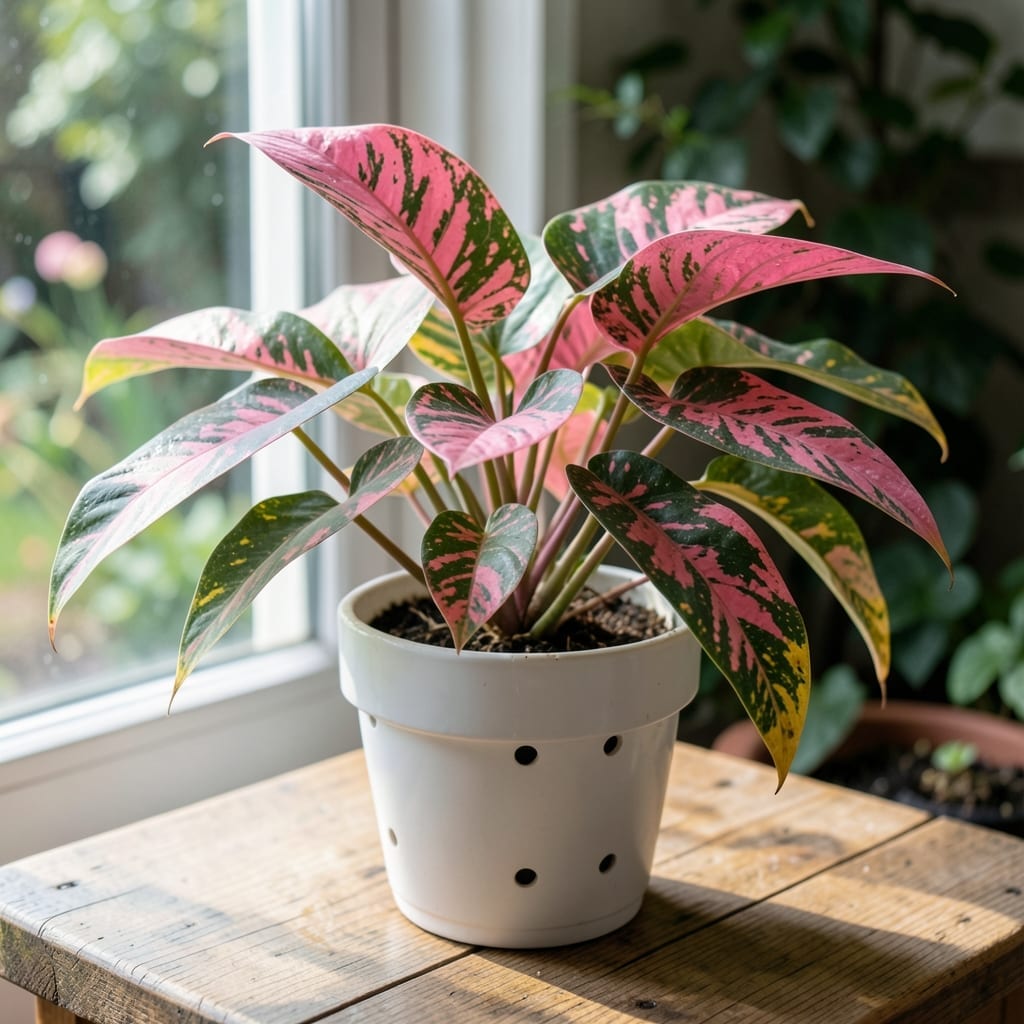
Yellowing leaves and soggy soil spelled disaster for my first Pink Princess. I watched in horror as the once-vibrant variegation faded, the stems turned mushy, and the roots rotted away in their waterlogged home.
Overwatering is the silent killer for these tropical beauties. They need moisture, but their roots drown in constant dampness. The first sign is usually drooping leaves, then yellow edges, and finally the dreaded black, smelly roots.
Here’s the thing—it’s fixable if you catch it early. I saved mine by adjusting my watering schedule and giving the roots a chance to breathe. Now it’s pushing out new pink-speckled growth like nothing happened.
You’ll learn the exact steps to diagnose, treat, and prevent this issue. No more guessing games with your watering can.
The Pink Princess Philodendron is a stunning but sensitive plant, and overwatering is its biggest enemy. Understanding the root causes helps you prevent the issue and keep your plant thriving. Here’s why it happens:
When pots lack drainage holes or use dense, water-retentive soil, excess water has nowhere to go. This creates a soggy environment where roots suffocate and rot. Always use pots with drainage and a well-aerating mix (e.g., perlite or orchid bark) to prevent waterlogging.
Many plant owners water on a rigid schedule (e.g., “every Monday”) without checking soil moisture. Pink Princess Philodendrons prefer their top 1–2 inches of soil to dry out between waterings. Test with your finger—if it’s damp, wait!
In dim light or humid conditions, soil stays wet longer because evaporation slows. Combine this with frequent watering, and roots drown. Adjust watering frequency based on light levels and seasonal changes (less in winter, more in summer).
Large pots hold more soil, which retains moisture longer. A Pink Princess in a too-big container is prone to sitting in damp soil, even if you water lightly. Choose a pot only 1–2 inches wider than the root ball to avoid excess moisture.
Don’t panic—your Pink Princess Philodendron can bounce back with the right care. Below are targeted fixes for the most common overwatering symptoms, plus tips to keep them from returning.
If the leaves are turning yellow, your plant is likely drowning. Stop watering immediately and let the top 2–3 inches of soil dry out completely before watering again. Use your finger to test moisture—if it feels damp, wait another day or two. Switch to a pot with drainage holes if yours lacks them, and always empty the saucer after watering to prevent soggy roots.
Prevention tip: 💡 Water only when the topsoil is dry, and consider a moisture meter for precision.
Wilting despite wet soil usually means the roots can’t breathe. Repot your plant in fresh, well-draining soil (mix in perlite or orchid bark for aeration). Trim any mushy, dark roots with clean scissors before repotting. Place the pot in bright, indirect light to help the soil dry faster.
Prevention tip: ✨ Use a terracotta pot—its porous material helps wick away excess moisture.
If the roots are black, slimy, or smell foul, root rot has set in. Act fast: Remove the plant from its pot, rinse the roots under lukewarm water, and trim all affected roots with sterilized shears. Repot in clean, dry soil and a sanitized pot. Hold off on watering for 5–7 days to let the roots recover.
Prevention tip: 🎯 Avoid overpotting—choose a container only 1–2 inches larger than the root ball to prevent excess soil moisture.
Small, water-filled bumps on leaves? Your plant is absorbing water faster than it can use it. Move it to a spot with better airflow and reduce humidity levels (aim for 40–60%). Avoid misting the leaves directly, and ensure the pot isn’t sitting in a water-filled tray.
Prevention tip: 🌡️ Group plants loosely to improve air circulation without overcrowding.
Water only when the top 1-2 inches of soil feel dry. This usually means every 7-10 days, but check first—factors like light and humidity change needs.
Yellowing leaves, drooping stems, or mushy roots are red flags. Catching these early gives your plant the best chance to recover.
Yes! Trim all black, slimy roots, repot in fresh soil, and wait 5-7 days before watering again. Speed is key to saving it.
Oversized pots hold too much moisture. Choose one just 1-2 inches wider than the root ball for best results.