
Beautiful Plants For Your Interior
Beautiful Plants For Your Interior
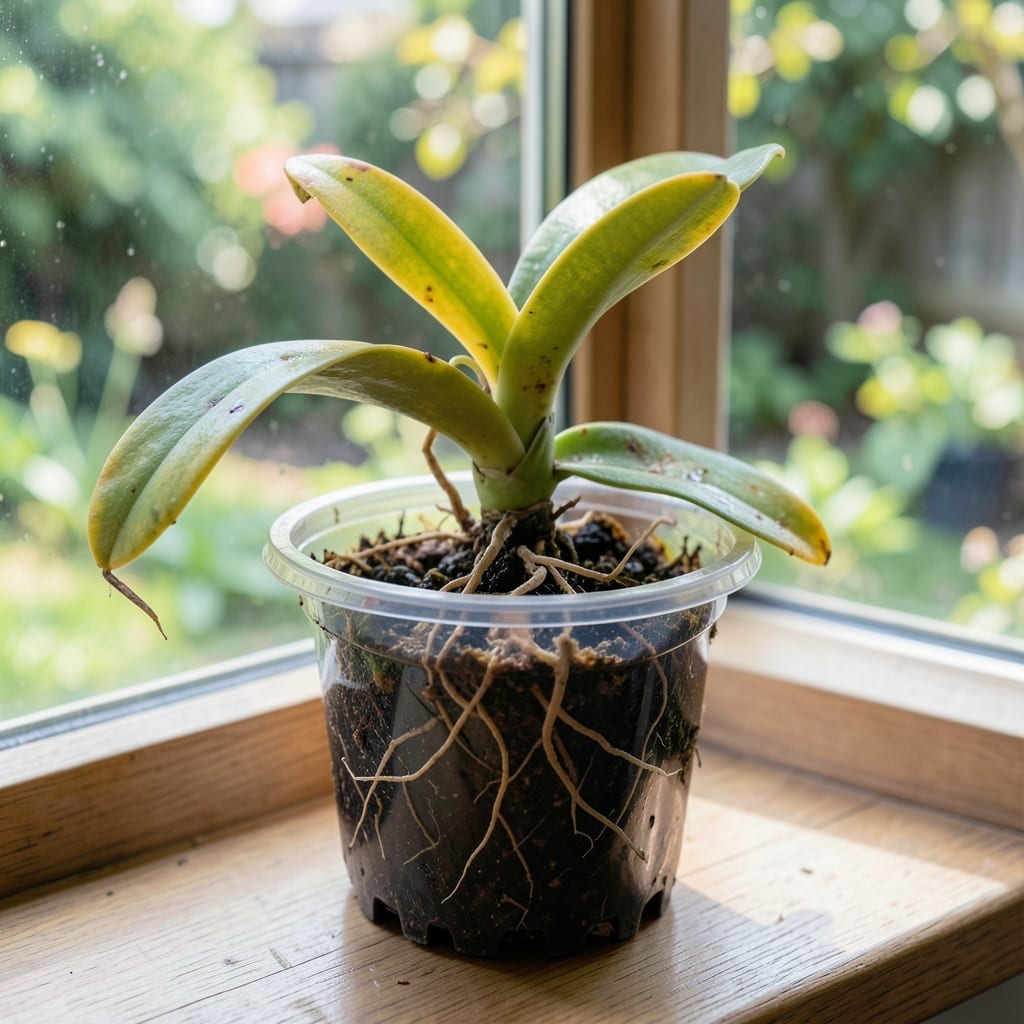
Yellowing leaves and mushy roots spelled disaster for my first orchid. I’ve since learned that overwatering is the fastest way to kill these plants, but recovery is absolutely possible with the right approach.
What you’re dealing with is suffocation—roots drowning in soggy medium can’t absorb oxygen. The solution starts with removing the orchid from its pot and inspecting the damage. Healthy roots feel firm, while rotted ones fall apart at a touch.
After trimming away the bad roots and repotting in fresh bark mix, most orchids bounce back within 4-6 weeks. The key is patience and a strict watering schedule moving forward.
This method works for phalaenopsis, dendrobium, and most common house orchids. Here’s how to save yours before it’s too late.
Overwatering orchids often stems from well-meaning but misguided care. Here’s why it happens:
Orchids, particularly Phalaenopsis and Dendrobium varieties, are epiphytes—they naturally grow on trees, not in soil. Their roots are adapted to absorb moisture quickly and dry out between waterings. Frequent watering (e.g., daily or every other day) saturates the potting medium, depriving roots of oxygen and promoting rot. Solution: Water only when the top inch of the medium feels dry, typically every 7–10 days.
Orchids thrive in fast-draining media like bark or sphagnum moss. If planted in dense soil or a pot without drainage holes, water pools around the roots, creating a suffocating, bacteria-friendly environment. Action: Repot in a well-ventilated mix and use containers with multiple drainage holes.
Big pots hold excess moisture, increasing the risk of root rot. Orchids prefer snug conditions where their roots can dry efficiently. A pot just 1–2 inches larger than the root ball is ideal. Tip: Downsize if your orchid sits in a container that’s too spacious.
In dim light or high-humidity environments, the potting medium stays damp longer. Orchids in such conditions need even less water to prevent overhydration. Fix: Adjust watering schedules based on environmental factors—less in winter or shaded spots, more in bright, airy spaces.
Overwatering can leave your orchid’s roots soggy and struggling, but these targeted fixes will help them recover. Below are practical solutions mapped to common causes, plus prevention tips to keep your plant thriving.
If the potting mix is waterlogged, remove the orchid from its container and trim any mushy, black roots with sterilized scissors. Repot in fresh, chunky orchid bark mix (never dense soil) to improve drainage. Use a pot with multiple drainage holes to prevent future sogginess.
Prevention tip: 💡 Water only when the top inch of mix feels dry—stick your finger in to check!
For roots that are brown, slimy, or smelly, soak them in a 1:4 hydrogen peroxide-to-water solution for 10 minutes to disinfect. Rinse, trim dead roots, and repot in clean mix. This kills bacteria and fungi while oxygenating healthy tissue.
Prevention tip: ✨ Always use room-temperature water to avoid shocking the roots.
If water pools at the bottom of the pot, switch to a slatted basket or clay pot that allows airflow. Elevate the pot on pebbles to prevent it from sitting in excess water. Ensure saucers are emptied after watering.
Prevention tip: 🌡️ Place orchids in bright, indirect light to help the medium dry faster between waterings.
Orchids need less water than you think! Water deeply but only once every 7–10 days (or longer in humid climates). Let the mix dry out almost completely between sessions. In winter, cut back further.
Prevention tip: 🎯 Use clear pots to monitor root health and moisture levels visually.
Look for mushy, brown, or black roots that fall apart when touched. Healthy roots are firm and silver-green. A foul odor from the pot is another red flag.
Remove the orchid from its pot, trim any rotted roots, and let the remaining roots air-dry for 2-3 hours before repotting. Use a fan on low to speed up the process.
Yes, if at least 30% of healthy roots remain. Trim all dead roots, treat with hydrogen peroxide, and repot in fresh bark mix. Recovery typically takes 4-6 weeks.
Wait until the top inch of mix feels completely dry—usually every 10-14 days. Use the finger test and avoid a set schedule.