
Beautiful Plants For Your Interior
Beautiful Plants For Your Interior
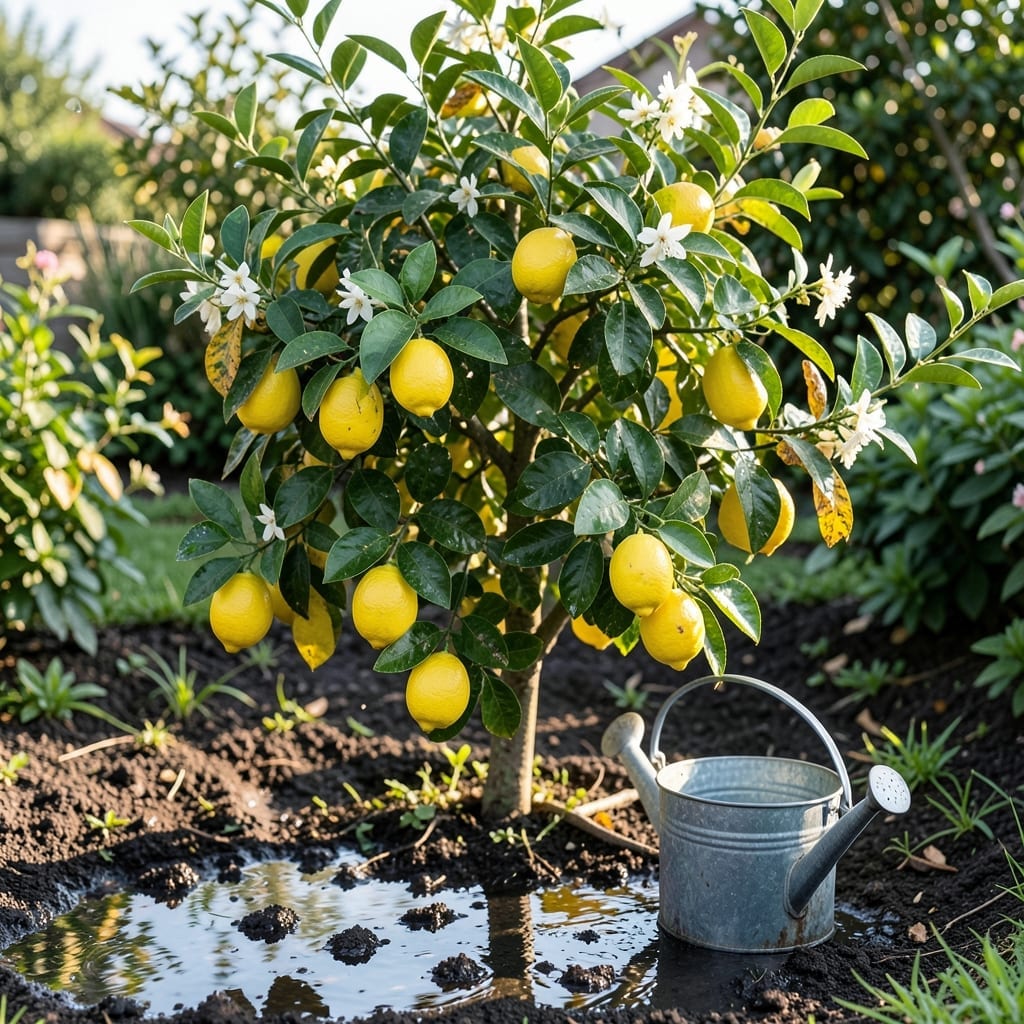
My lemon tree’s leaves turned yellow and started dropping last week. I panicked until I realized the problem was too much love—specifically, too much water. Overwatering suffocates the roots and invites rot.
Lemon trees thrive on deep but infrequent watering. The soil should dry out between waterings. Most people drown their citrus without realizing it, thinking more water equals happier plants.
Recovery starts with stopping the water immediately. Let the soil dry completely, then check the roots for damage. Healthy roots are white and firm, while rotting ones are dark and mushy.
With the right care, your tree can bounce back. I’ve saved two lemon trees from this exact issue, and the key is patience and better watering habits moving forward.
Overwatering a lemon tree disrupts its natural balance, leading to suffocated roots and poor nutrient uptake. Here’s why it happens:
Lemon trees thrive on a “soak and dry” cycle. Frequent watering—especially in well-draining soil—prevents roots from accessing oxygen. When soil stays soggy, root cells drown, halting nutrient absorption. Citrus roots need air pockets to respire, and constant moisture eliminates these gaps.
Containers without drainage holes or dense, clay-heavy soil trap water. Lemon trees in such conditions suffer from waterlogged roots, which rot due to fungal growth (e.g., Phytophthora). Even in-ground trees in low-lying areas with compacted soil face this risk.
Many gardeners mistakenly increase watering during hot spells. While lemon trees need more water in summer, doubling the amount without checking soil moisture leads to oversaturation. Use a moisture meter—water only when the top 2–3 inches of soil are dry.
Humidity, rainfall, and soil type affect watering needs. In humid climates, soil retains moisture longer. Sandy soils drain faster but may require more frequent (not heavier) watering. Adjust your schedule based on these variables to avoid unintentional overwatering.
If your lemon tree is showing signs of overwatering, act quickly to save it. Here’s how to address each issue and prevent future problems:
Stop watering immediately and let the soil dry out. Check moisture by sticking your finger 2 inches deep—if it’s damp, wait. Resume watering only when the top 2-3 inches of soil are dry. Prevention tip: 💡 Water deeply but less frequently—once every 7-10 days in warm weather, less in cooler months.
If the soil is soggy, move the tree to a sunnier spot or repot it in well-draining soil mixed with perlite or sand. Ensure the pot has drainage holes. For in-ground trees, create a small mound around the base to help water run off. Prevention tip: ✨ Use a terracotta pot—it wicks away excess moisture faster than plastic.
Gently remove the tree from its pot and inspect the roots. Trim away black, mushy roots with clean shears, then repot in fresh, dry soil. Avoid fertilizing until the tree recovers. Prevention tip: 🎯 Add a layer of mulch (but keep it 3 inches away from the trunk) to regulate moisture without suffocating roots.
Increase circulation by spacing plants apart or using a small fan. Remove fallen leaves or debris around the base. If mold appears, spray with a baking soda solution (1 tsp baking soda + 1 quart water + a few drops of dish soap). Prevention tip: 🌡️ Water in the early morning so foliage dries quickly in the sun.
With these steps, your lemon tree can bounce back—just be patient and consistent!
Water deeply every 7-10 days in warm weather, less in cooler months. Check soil moisture by inserting your finger 2 inches deep—only water if dry.
Yellowing leaves and leaf drop are early warnings. Wilting despite wet soil and a foul odor from the roots indicate more serious issues like root rot.
Yes! Remove the tree from its pot, trim black, mushy roots, and repot in fresh, dry soil. Avoid fertilizing until the tree recovers.
Terracotta pots dry out faster than plastic. Always ensure pots have drainage holes to prevent waterlogging.