
Beautiful Plants For Your Interior
Beautiful Plants For Your Interior
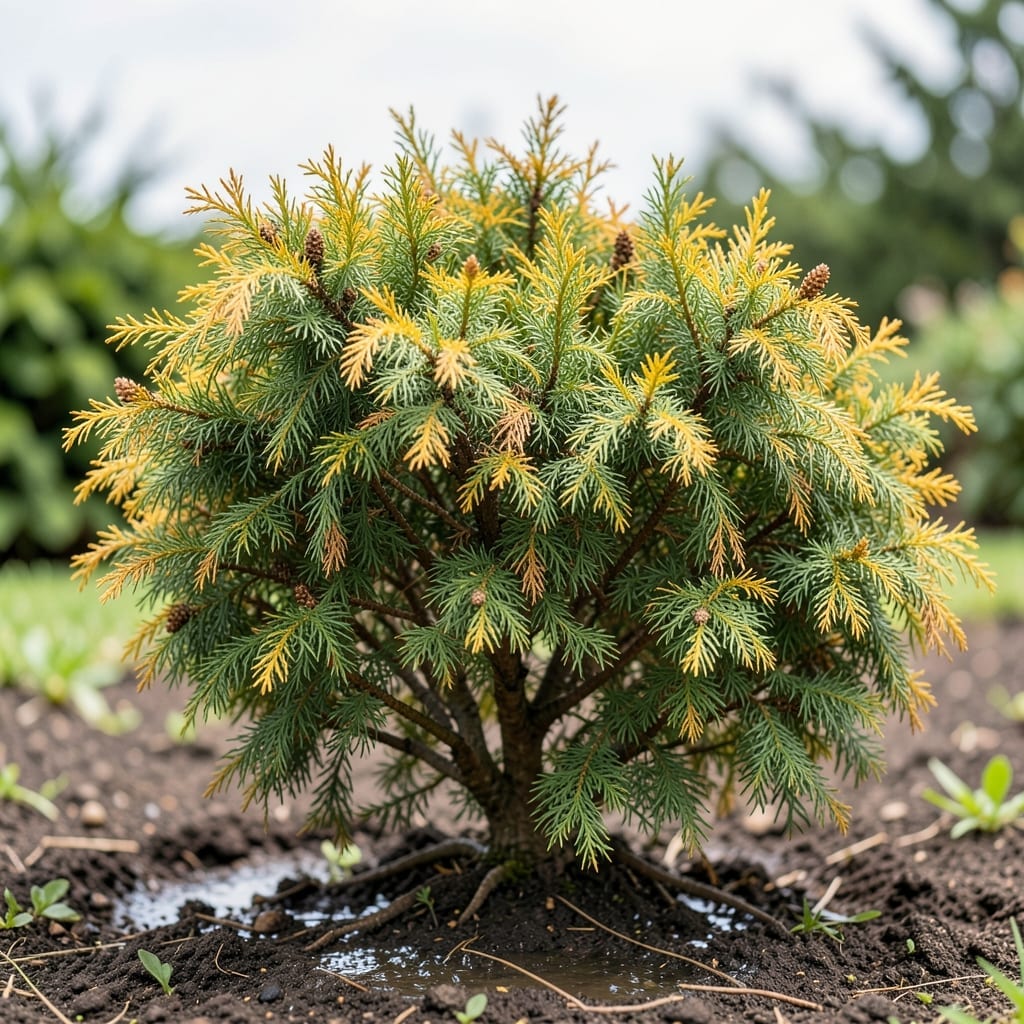
Yellowing needles on your juniper scream trouble. I’ve seen this too many times—what looks like drought stress is often the opposite.
Overwatering suffocates roots, turning them mushy and brown. The plant can’t drink, so it dries out from the inside. Meanwhile, leaves turn yellow, then brown, then crisp. It’s a slow death that starts with good intentions.
Here’s the thing—junipers thrive on neglect. They prefer dry soil over soggy feet. Fixing it means stopping the water and letting the soil dry out completely. Then, check the roots for rot.
Recovery takes patience, but it’s possible. Most bounce back with the right care and a little time.
Understanding why Juniperus plants suffer from excess moisture is key to prevention. Here are the most frequent triggers:
Juniper roots thrive in well-draining soil. When planted in heavy clay or compacted earth, water pools around the roots, suffocating them. Solution: Amend soil with perlite or sand to improve drainage.
Many gardeners assume junipers need frequent watering, but these drought-tolerant plants prefer dry conditions. Overwatering disrupts oxygen flow to roots, leading to rot. Action: Water only when the top 2 inches of soil are dry.
Potted junipers are especially vulnerable. Without drainage holes, excess water has nowhere to escape. Fix: Use pots with multiple drainage holes and elevate them to avoid waterlogging.
In naturally wet environments, junipers may struggle even with minimal care. Tip: Plant in raised beds or slopes to encourage runoff and prevent saturation.
If your juniper shows signs of overwatering, act quickly to restore its health. Below are targeted fixes for common symptoms, paired with prevention tips to keep your plant thriving.
Fix: Reduce watering immediately. Let the top 1–2 inches of soil dry out before watering again. If the soil stays soggy, repot the juniper in fresh, well-draining mix. Trim any yellowed or mushy needles with clean shears to redirect energy to healthy growth.
Prevention: Water only when the soil feels dry at a depth of 1–2 inches. Use a moisture meter for accuracy, and ensure pots have drainage holes.
Fix: Gently remove the plant from its pot and inspect the roots. Prune away any black, mushy roots with sterilized scissors. Repot in a clean container with fresh, gritty soil (e.g., a mix of sand, perlite, and pine bark). Avoid watering for 3–5 days post-repotting to let roots recover.
Prevention: Choose pots with drainage holes and use a fast-draining soil mix. Elevate pots to prevent waterlogging, and avoid saucers that trap excess water.
Fix: If the soil is chronically soggy, stop watering and move the plant to a sunny, breezy spot to speed up drying. For severe cases, replace the top layer of soil with dry, coarse material like sand or gravel to improve drainage.
Prevention: Test soil moisture with your finger before watering. Junipers prefer dry conditions—when in doubt, wait another day.
💡 Pro Tip: Junipers are drought-tolerant once established. Err on the side of underwatering rather than overwatering to mimic their natural habitat.
Water only when the top 1-2 inches of soil are completely dry. These drought-tolerant plants often need watering just once every 2-3 weeks, depending on your climate. When in doubt, wait an extra day.
Yellowing needles are the most common early warning, often followed by mushy brown roots. You might also notice wilting despite wet soil, as the damaged roots can’t absorb water properly.
Yes, if you act quickly. Remove all affected roots, repot in fresh well-draining soil, and avoid watering for 3-5 days. Most junipers bounce back within a few weeks with proper care.
Always err on the side of underwatering. Junipers thrive in dry conditions and can handle brief droughts much better than soggy soil. This mimics their natural, arid habitat.