
Beautiful Plants For Your Interior
Beautiful Plants For Your Interior
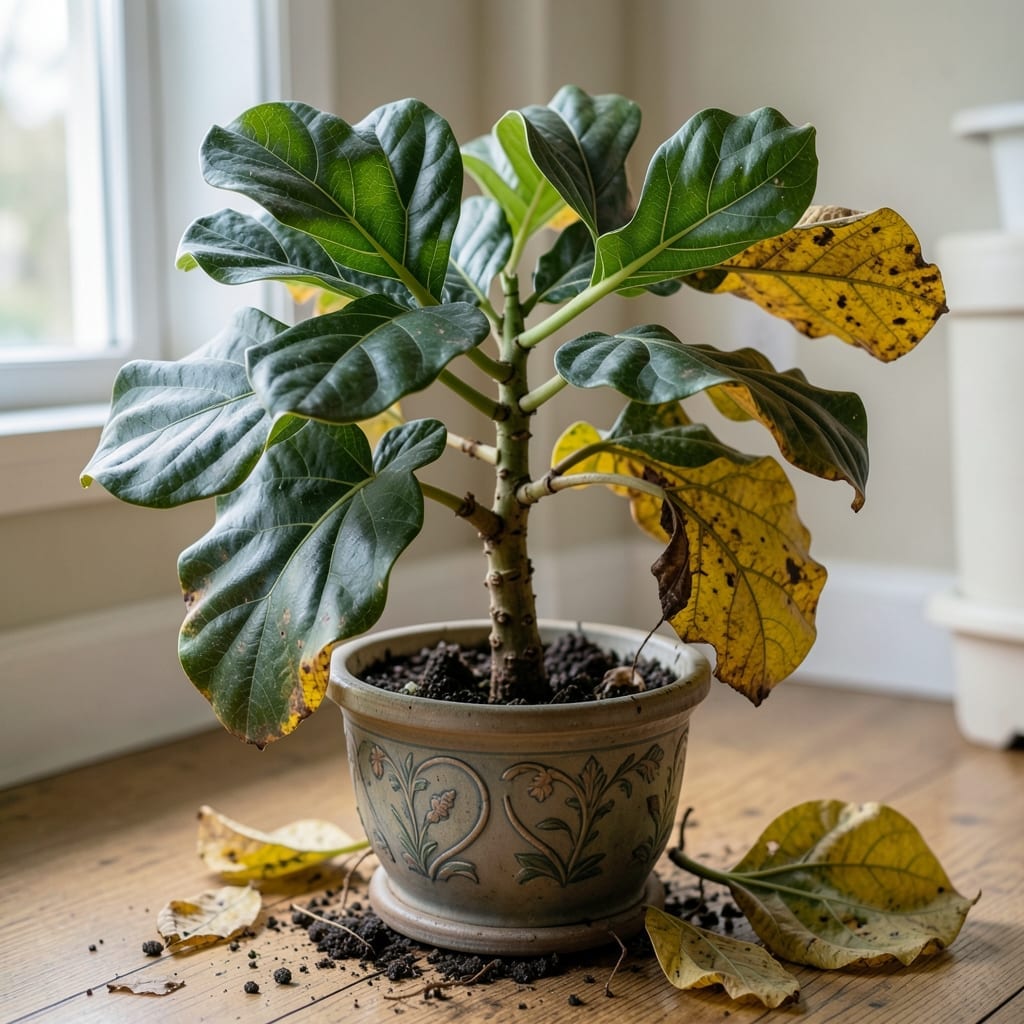
Yellow leaves and mushy stems on your ficus aren’t a death sentence. I’ve nursed dozens back from the brink by fixing the real issue—too much water, not enough air for the roots.
The problem starts with soggy soil and no drainage. Most people water on a schedule instead of checking the soil first. A simple finger test (1-2 inches down) tells you more than any calendar.
Recovery means stopping the water, improving drainage, and trimming away the rot. Within 2-3 weeks, you’ll see new growth if the roots still have life.
Prevention is easier than rescue. Use pots with holes, well-draining soil, and water only when the topsoil feels dry. Your ficus will thank you with vibrant green leaves.
Overwatering your ficus often stems from good intentions gone wrong. Here’s why it happens—and how to stop it.
Ficus plants thrive on a consistent but moderate watering schedule. Many gardeners mistakenly water them daily, assuming more moisture equals healthier growth. However, ficus roots need oxygen as much as water. When soil stays soggy, it suffocates the roots, leading to root rot and wilting leaves. Fix: Water only when the top 1-2 inches of soil are dry.
Pots without drainage holes or compacted soil trap water, creating a drowning effect. Even well-intentioned watering becomes harmful if excess moisture can’t escape. Fix: Use pots with drainage holes and a well-aerated potting mix (e.g., perlite or sand blended in).
Ficus plants in dim environments or humid climates evaporate water slower. If you water on autopilot without adjusting for these conditions, the soil stays wet too long. Fix: Reduce watering frequency in low-light or humid settings, and move the plant to brighter, airier spots when possible.
After repotting, it’s tempting to drench the plant to “help it settle.” But fresh potting mix retains moisture longer, and overwatering at this stage can shock the roots. Fix: Water lightly after repotting, then wait until the soil dries slightly before the next watering.
Don’t panic—your Ficus can bounce back with the right care! Here’s how to treat each issue and prevent future mishaps:
Fix: Stop watering immediately and let the soil dry out completely. If the pot lacks drainage, repot your plant in fresh, well-draining soil with holes at the bottom. Trim any mushy, yellow leaves to redirect energy to healthy growth.
Prevention: Water only when the top 1-2 inches of soil are dry. Use the finger test—stick your finger in the soil to check moisture. 💡 Pro tip: A moisture meter (under $10) removes the guesswork!
Fix: Gently remove the plant from its pot and inspect the roots. Healthy roots are firm and white; rotten roots are dark, slimy, and smell foul. Trim away all affected roots with sterilized scissors, then repot in fresh, dry soil. Water lightly only after 5–7 days to avoid re-soaking.
Prevention: Always use pots with drainage holes and a saucer to catch excess water (empty it after watering). Consider adding perlite or sand to the soil mix for better aeration.
Fix: This often means the roots are suffocating. Stop watering and move the plant to a shady spot to reduce stress. If the soil is waterlogged, tilt the pot to drain excess water or place it on a dry towel to wick away moisture.
Prevention: Stick to a consistent watering schedule—once a week is plenty for most Ficus in moderate light. Adjust for seasons: water less in winter when growth slows.
Water only when the top 1-2 inches of soil feel dry. For most ficus, this means watering every 7-10 days, but always check the soil first. Overwatering is far more dangerous than underwatering for these plants.
Yes, if caught early. Remove the plant, trim all dark/mushy roots, and repot in fresh, dry soil. Wait 5-7 days before watering lightly. Recovery takes 2-3 weeks if healthy roots remain.
Yellow leaves often signal past overwatering damage. Even with drainage, previous root stress can cause delayed leaf drop. Stop watering until soil dries completely, then resume a careful schedule.
Yes, avoid misting until the plant recovers. Extra moisture—even on leaves—increases humidity and slows soil drying. Focus on improving air circulation instead.