
Beautiful Plants For Your Interior
Beautiful Plants For Your Interior
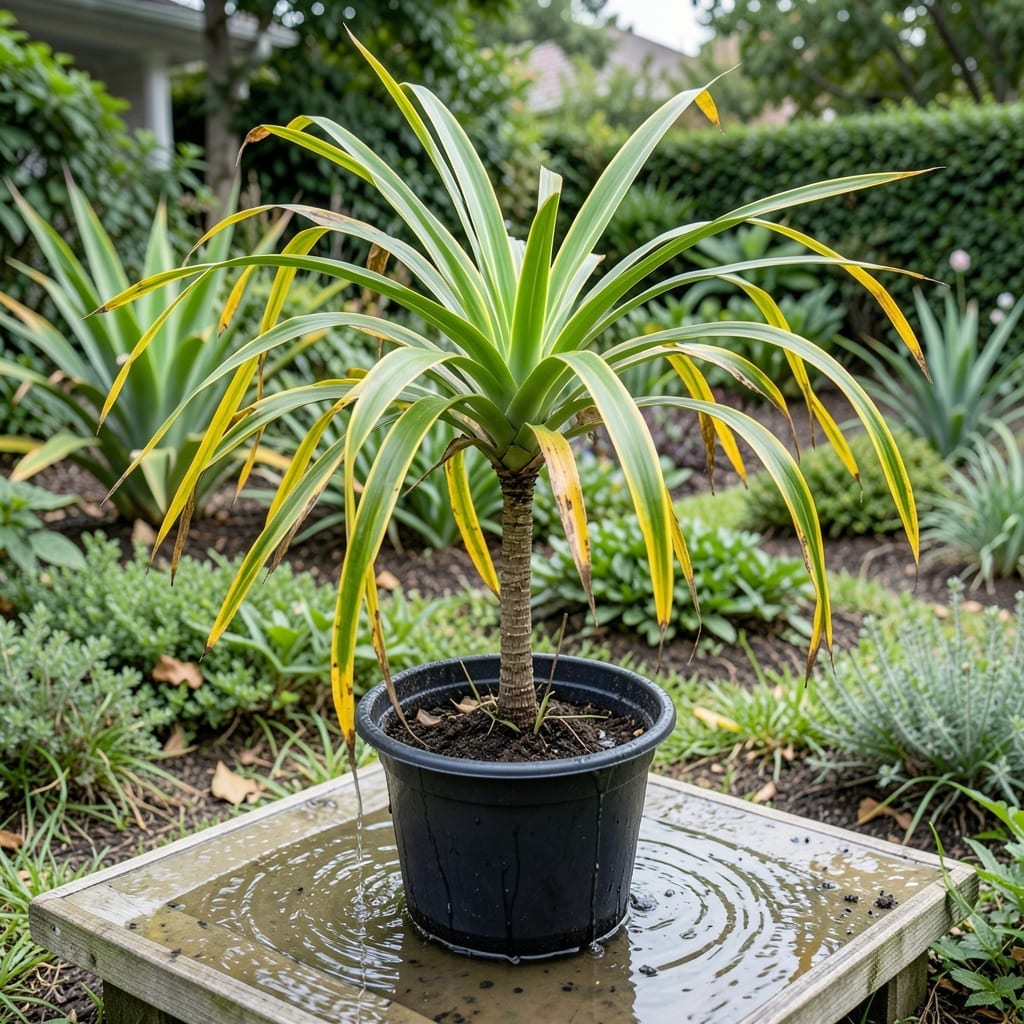
Yellow leaves on your dragon tree mean trouble. I’ve saved mine from the brink more times than I care to admit by catching the signs early.
Overwatering suffocates the roots, turning them mushy and brown. The plant can’t drink, can’t breathe, and those bright green leaves start turning yellow one by one. It’s a slow death that’s completely preventable.
Here’s the thing—dragon trees need less water than you think. Let the soil dry completely between waterings, and always check the roots if you suspect a problem. Recovery is possible even when it looks hopeless.
With the right approach, your plant will push out fresh, healthy growth within weeks. I’ll show you exactly how to rescue it.
Overwatering your dragon tree often stems from well-meaning but misguided care. Below are the most common causes, explained with actionable insights to help you avoid them.
The Dracaena marginata (dragon tree) thrives in dry conditions, mimicking its native arid environments. Watering too often—such as on a fixed weekly schedule—prevents the soil from drying out between sessions. This saturates the roots, suffocating them and halting nutrient uptake. Solution: Check soil moisture by inserting your finger 1-2 inches deep; water only when the topsoil feels dry.
Pots without drainage holes or compacted soil trap excess water, creating a stagnant, oxygen-deprived environment. Dragon tree roots require aeration to function. Without it, they drown and rot. Actionable fix: Repot your plant in a container with drainage holes and use a well-draining potting mix (e.g., cactus/succulent soil with perlite).
A pot that’s too large holds excessive moisture, increasing the risk of root rot. The dragon tree’s roots can’t absorb all the water, leaving the rest to stagnate. Tip: Choose a pot only 1-2 inches wider than the root ball to ensure proper moisture balance.
In low light or cold temperatures (below 60°F/15°C), the dragon tree’s metabolism slows, reducing its water needs. Continuing a regular watering routine in these conditions leads to soggy soil. Adjustment: Reduce watering frequency during winter or if the plant is in a dimly lit space.
Heavy, clay-rich soils retain moisture for too long, while dragon trees need fast-draining mediums. Dense soil compacts over time, further restricting drainage. Upgrade: Use a light, airy mix with perlite, sand, or orchid bark to improve aeration and prevent waterlogging.
Don’t panic—your dragon tree can bounce back with the right care! Here’s how to tackle each issue head-on.
Fix: Let the soil dry out completely between waterings. Remove yellow leaves to redirect energy to healthy growth. If the soil feels soggy, repot the plant in fresh, well-draining mix.
Prevention Tip: 💡 Stick your finger an inch into the soil—if it’s dry, it’s time to water. Use pots with drainage holes to avoid waterlogging.
Fix: Gently remove the plant from its pot and trim away black, mushy roots with sterilized scissors. Repot in clean, dry soil and a sanitized container. Hold off on watering for a few days to let roots recover.
Prevention Tip: 🌱 Ensure your pot has drainage holes and use a gritty, fast-draining soil mix (like cactus blend). Water only when the top 2-3 inches of soil are dry.
Fix: Reduce watering immediately and move the plant to a warm, well-lit spot (but avoid direct sunlight). If stems are severely soft, propagate healthy cuttings in fresh soil.
Prevention Tip: ✨ Dragon trees thrive on neglect—when in doubt, wait another day before watering. Group plants together to create a humid microclimate without overwatering.
Water only when the top 1-2 inches of soil are completely dry. This usually means every 2-3 weeks, but always check first. They prefer dry conditions over constant moisture.
Roots turn dark brown or black and feel mushy to the touch. A healthy root is firm and white or light tan. If you spot rot, trim affected roots and repot immediately.
Yes! Remove yellow leaves and let the soil dry out completely. If the stems are still firm, new growth will appear in 3-4 weeks with proper care.
Drooping often means too much water. Stop watering, move to bright indirect light, and check the roots. If they’re soggy, repot in fresh, dry soil.