
Beautiful Plants For Your Interior
Beautiful Plants For Your Interior
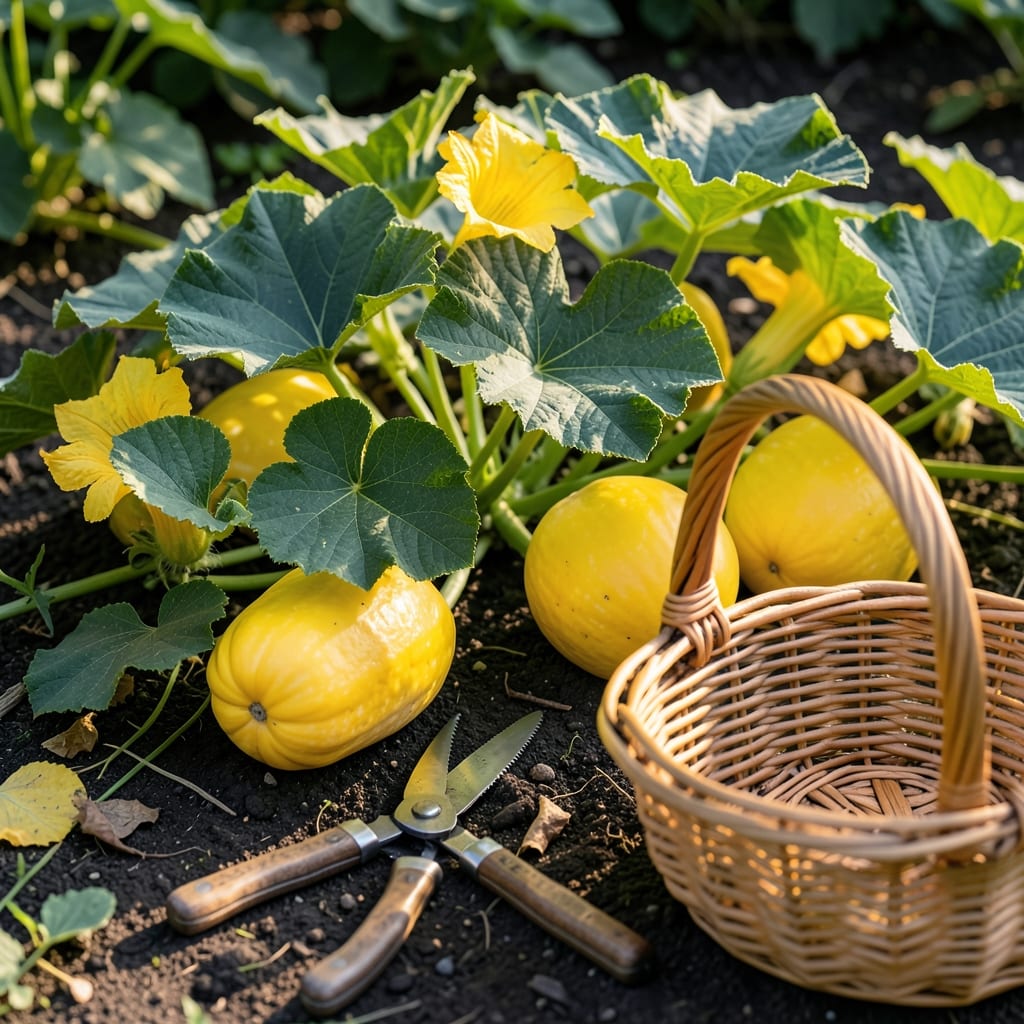
That moment when your yellow squash takes over the garden. I’ve been there—vines sprawling 8 feet in every direction, leaves blocking sunlight, and fruit hiding under foliage until it’s too big to eat.
Here’s the thing—overgrowth isn’t just messy. It invites pests, traps moisture, and wastes energy on leaves instead of fruit. A little strategic pruning redirects that energy where it matters most.
You’ll reclaim space, improve air flow, and still harvest plenty of tender squash. The plants bounce back fast, and you’ll spot problems before they spread.
Works for any summer squash variety. Let’s get those vines under control.
Overgrown yellow squash often results from a few key environmental and cultural factors. Understanding these causes can help you prevent the issue in future crops. Below are the most common reasons:
Incomplete or failed pollination is a primary cause of misshapen or overgrown squash. Yellow squash requires pollination to develop properly. If bees or other pollinators are scarce, the fruit may grow unevenly or remain small at one end while ballooning at the other. Hand-pollinating can be an effective solution if natural pollinators are lacking.
Fluctuations in soil moisture can lead to irregular growth. Too much water can cause the fruit to swell rapidly, while drought stress may stunt development. Consistent, deep watering (about 1-2 inches per week) ensures steady growth. Mulching can help retain soil moisture and prevent extremes.
Excess nitrogen promotes leafy growth at the expense of fruit development, leading to overgrown or lopsided squash. A soil test can reveal deficiencies or excesses. Balance with a low-nitrogen, high-phosphorus fertilizer (e.g., 5-10-10) to encourage healthy fruit formation.
Extreme heat (above 90°F) or cold snaps can disrupt normal growth patterns. High temperatures may cause rapid, uneven expansion, while cold can halt development. Row covers or shade cloth can mitigate temperature swings during critical growth phases.
If your yellow squash has grown too large, don’t toss it just yet—there are ways to salvage and even enjoy it! Here’s how to tackle the most common issues with overgrown yellow squash and prevent them next time.
Overgrown squash can become tough and seedy, but you can still use the flesh. Cut the squash in half, scoop out the seeds, and peel the skin if it’s too thick. The remaining flesh works well in soups, casseroles, or baked dishes. For extra flavor, roast it with olive oil, salt, and herbs.
If the seeds are the main issue, remove them and either save them for planting next season (if they’re from a non-hybrid variety) or add them to your compost pile. To prevent excessive seeding in the future, harvest squash when they’re 6–8 inches long—this is their prime size for tenderness.
Prevention is key! Check your plants every 1–2 days during peak growing season, as yellow squash can double in size overnight. Use a gentle twist or pruning shears to harvest without damaging the vine. If you miss a few, prioritize picking the smaller ones first to avoid waste.
Pro tip 💡: If you end up with a surplus, share with neighbors or freeze grated squash for future recipes. A little vigilance goes a long way in keeping your harvest just right!
Yes! Cut it open, remove the seeds, and peel if the skin is tough. The flesh works well in soups or baked dishes.
Yellow squash can double in size overnight in warm weather. Check plants every 1-2 days during peak season to catch them at the right size.
Harvest when squash are 6-8 inches long for best tenderness. Use pruning shears for a clean cut without damaging the vine.