
Beautiful Plants For Your Interior
Beautiful Plants For Your Interior
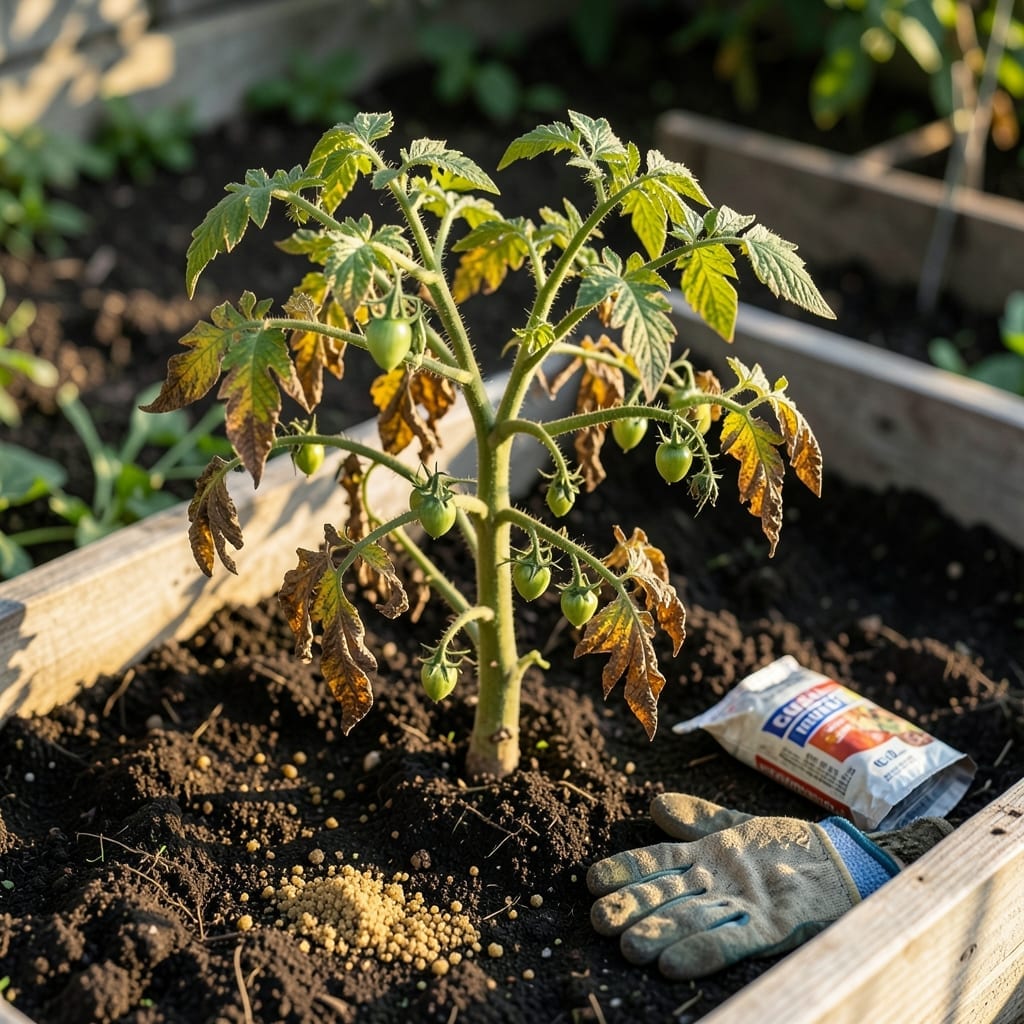
Yellow leaves and stunted growth aren’t always from neglect. I’ve seen more plants suffer from too much love than too little. Overdoing fertilizer burns roots, blocks water uptake, and leaves soil barren in the long run.
It starts with good intentions—extra food for faster growth. Then the edges of leaves turn brown, tips crisp up, and the plant just… wilts. The soil gets salty, roots get lazy, and suddenly you’re nursing a sick plant instead of a thriving one.
Recovery is possible, but it takes patience. Flush the soil, trim the damage, and hold off on feeding until the plant tells you it’s ready. Most bounce back within 2-3 weeks if you act fast.
Prevention is simpler than the fix. Test your soil, follow package directions, and remember: plants can’t always take what you’re giving.
Over-fertilizing plants often stems from well-intentioned but misguided practices. Here’s a breakdown of the most common causes, rooted in science and actionable insights.
Many gardeners assume “more fertilizer equals better growth”, but plants can only absorb a finite amount of nutrients. When nitrogen (N), phosphorus (P), or potassium (K) exceed the soil’s cation exchange capacity, the excess leaches into waterways or accumulates as salts. This disrupts osmotic balance, making it harder for roots to absorb water—a condition called fertilizer burn.
Applying fertilizer too often or at the wrong growth stage (e.g., during dormancy) forces plants to process nutrients they don’t need. For example, high-nitrogen feeds in late summer can spur weak, frost-susceptible growth in perennials. Follow a seasonal feeding schedule aligned with your plant’s life cycle.
Using a generic 10-10-10 NPK blend for all plants ignores their unique needs. Acid-loving plants like blueberries thrive with ammonium sulfate, while calcium-loving tomatoes need gypsum. Mismatched formulations lead to nutrient imbalances, where one element (e.g., phosphorus) builds up while others (like micronutrients) become deficient.
Watering immediately after fertilizing can wash nutrients below the root zone before absorption. Conversely, underwatering concentrates salts near the roots. Aim for moist, not soggy soil post-application to allow gradual nutrient uptake.
Skipping a soil test is like prescribing medication without a diagnosis. Many soils already contain sufficient phosphorus or potassium from past applications. Testing reveals deficiencies and excesses, preventing blind overuse. Use a home test kit or lab analysis every 2–3 years.
Over-fertilizing can harm your plants, but the good news is that recovery is possible with the right steps. Below are targeted solutions for common causes of excessive fertilization, along with prevention tips to keep your garden thriving.
Excess fertilizer salts can burn roots and block water uptake. To flush them out:
Prevention tip: 💡 Always follow the fertilizer package instructions—more isn’t better!
Too much of one nutrient (e.g., nitrogen) can starve plants of others. Fix it by:
Prevention tip: 🎯 Rotate fertilizers and use slow-release options to prevent spikes.
If fertilizer is visibly caked on the soil surface or roots are brown/mushy:
Prevention tip: ✨ Water plants before fertilizing to reduce root contact with concentrated nutrients.
Watering too much after fertilizing can wash nutrients away or push salts deeper into the soil. Instead:
Prevention tip: 🌡️ Use a rain gauge or moisture sensor to avoid guesswork.
With these fixes, your plants can bounce back—and you’ll avoid repeating the mistake. Patience is key: recovery may take a few weeks, but healthy soil leads to stronger, happier plants!
Look for brown or yellow leaf edges, wilting, or stunted growth. These are classic signs of salt buildup in the soil, which prevents roots from absorbing water properly.
Yes! Flush the soil with water to remove excess salts, then hold off on feeding. Most plants recover within 2-3 weeks if you act quickly.
Follow package directions and fertilize only during active growth. For most plants, every 4-6 weeks is enough. Always test your soil first.
Organic fertilizers release nutrients slowly, reducing burn risk. However, even organic options can cause problems if overapplied. Always use the recommended amount.