
Beautiful Plants For Your Interior
Beautiful Plants For Your Interior
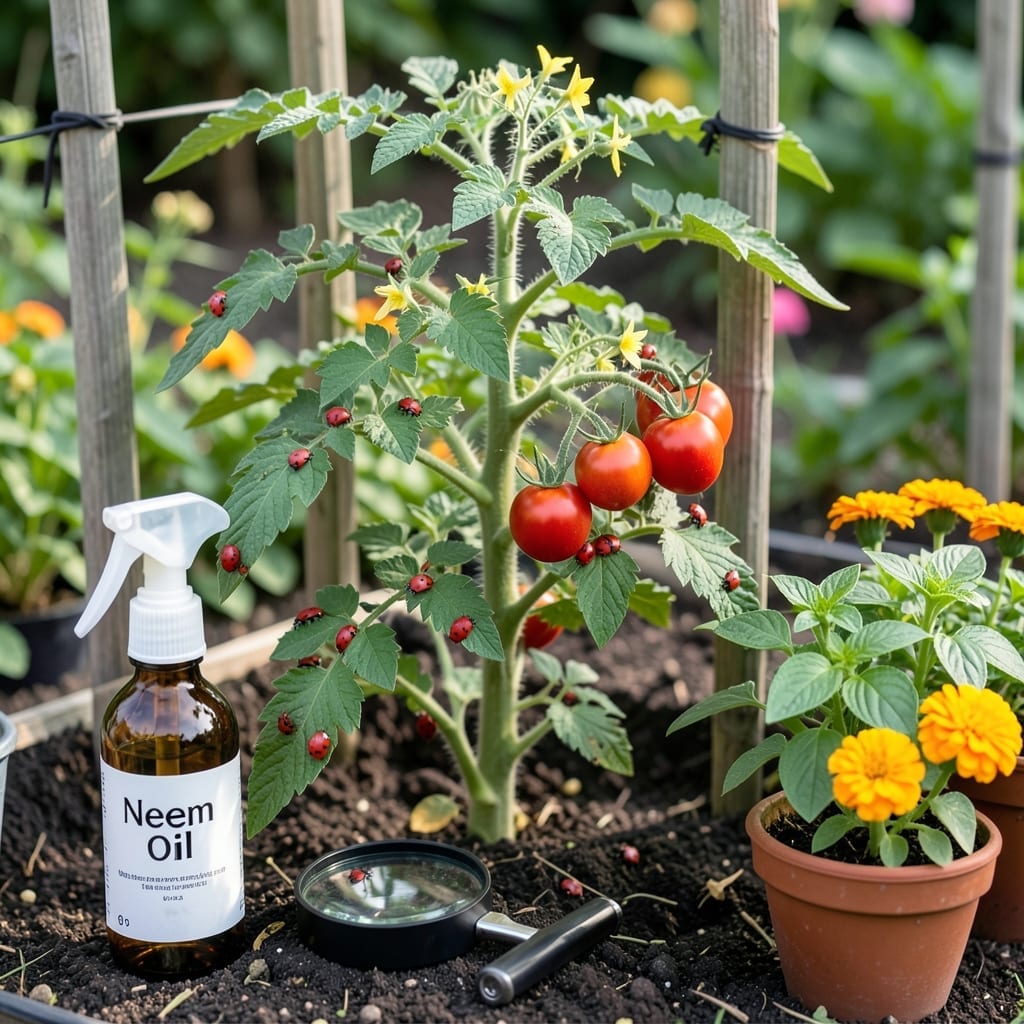
Tomato plants attract pests like aphids and hornworms. I lost half my crop one year before discovering a foolproof organic solution.
Prevention starts with healthy soil and companion planting. basil and marigolds keep many pests away naturally. When problems appear, a simple homemade spray does the trick.
My tomato plants now stay vibrant and productive all season. The organic approach means no chemicals on food, and beneficial insects stick around.
Works for all tomato varieties and most common garden pests. Here’s how to protect your plants the natural way.
Understanding why pests target tomato plants is the first step in effective organic pest control. These invaders are drawn by specific conditions and plant vulnerabilities. Below are the primary causes, explained with actionable insights.
Tomato plants grown in soil lacking essential nutrients—like nitrogen, phosphorus, or potassium—become stressed and weak. Weak plants emit chemical signals that attract pests like aphids and whiteflies. A soil test can reveal deficiencies, allowing you to amend the soil with compost or organic fertilizers to restore balance.
Excess moisture creates a breeding ground for fungal diseases and soft-bodied pests like slugs and snails. Overwatered plants also develop weak root systems, making them more susceptible to infestations. Ensure your tomato plants have well-draining soil and follow a consistent watering schedule—deep but infrequent watering is ideal.
Monoculture gardens (growing only tomatoes) lack natural predators that keep pest populations in check. Introducing companion plants like basil, marigolds, or nasturtiums can deter pests and attract beneficial insects such as ladybugs and lacewings, which feed on common tomato pests.
Extreme temperatures, drought, or improper sunlight can stress tomato plants, reducing their natural defenses. Stressed plants produce higher levels of sugars and amino acids in their sap, which attract sap-sucking pests like spider mites. Provide shade cloths during heatwaves and mulch to retain soil moisture and regulate temperature.
Dealing with pests on your tomato plants doesn’t require harsh chemicals. Here’s how to tackle common issues with organic solutions, along with tips to keep them from coming back.
Mix 1 tablespoon of mild liquid soap (like Castile) with 1 quart of water and spray directly on aphids. The soap disrupts their cell membranes, causing them to dehydrate. Prevention tip: 💡 Encourage ladybugs—natural aphid predators—by planting companion flowers like marigolds or daisies nearby.
Bury a shallow container (like a yogurt cup) filled with beer at soil level. Slugs and snails are attracted to the yeast, fall in, and drown. Prevention tip: 🌿 Remove debris and mulch around plants to eliminate their hiding spots. Copper tape around beds also deters them with a mild electric charge.
Dilute 1 tablespoon of neem oil in 1 quart of water and add a few drops of dish soap as an emulsifier. Spray the undersides of leaves where mites hide. Prevention tip: ✨ Keep plants well-watered, as spider mites thrive in dry conditions. A strong spray of water can also dislodge them.
Hang yellow sticky traps near tomato plants to catch adult whiteflies. For larvae, spray with a garlic or chili pepper solution (blend 2-3 cloves or peppers with water, strain, and spray). Prevention tip: 🎯 Rotate crops yearly and avoid over-fertilizing with nitrogen, which attracts whiteflies.
For all pests, inspect plants regularly and act at the first sign of trouble. Organic methods work best when applied early and consistently!
A mix of 1 tablespoon mild soap in 1 quart water works great for aphids. For spider mites, use 1 tablespoon neem oil with water and a drop of dish soap. Always spray undersides of leaves.
Reapply every 5-7 days or after rain. For severe infestations, treat every 2-3 days until pests are gone. Prevention is easier than cure!
Basil deters whiteflies and mosquitoes. Marigolds repel nematodes and aphids. Nasturtiums trap aphids away from tomatoes. Plant these nearby for natural protection.
Pests may hide under leaves or in soil. Try spraying at dawn or dusk when pests are active. Also check for eggs on leaf undersides and remove them manually.