
Beautiful Plants For Your Interior
Beautiful Plants For Your Interior
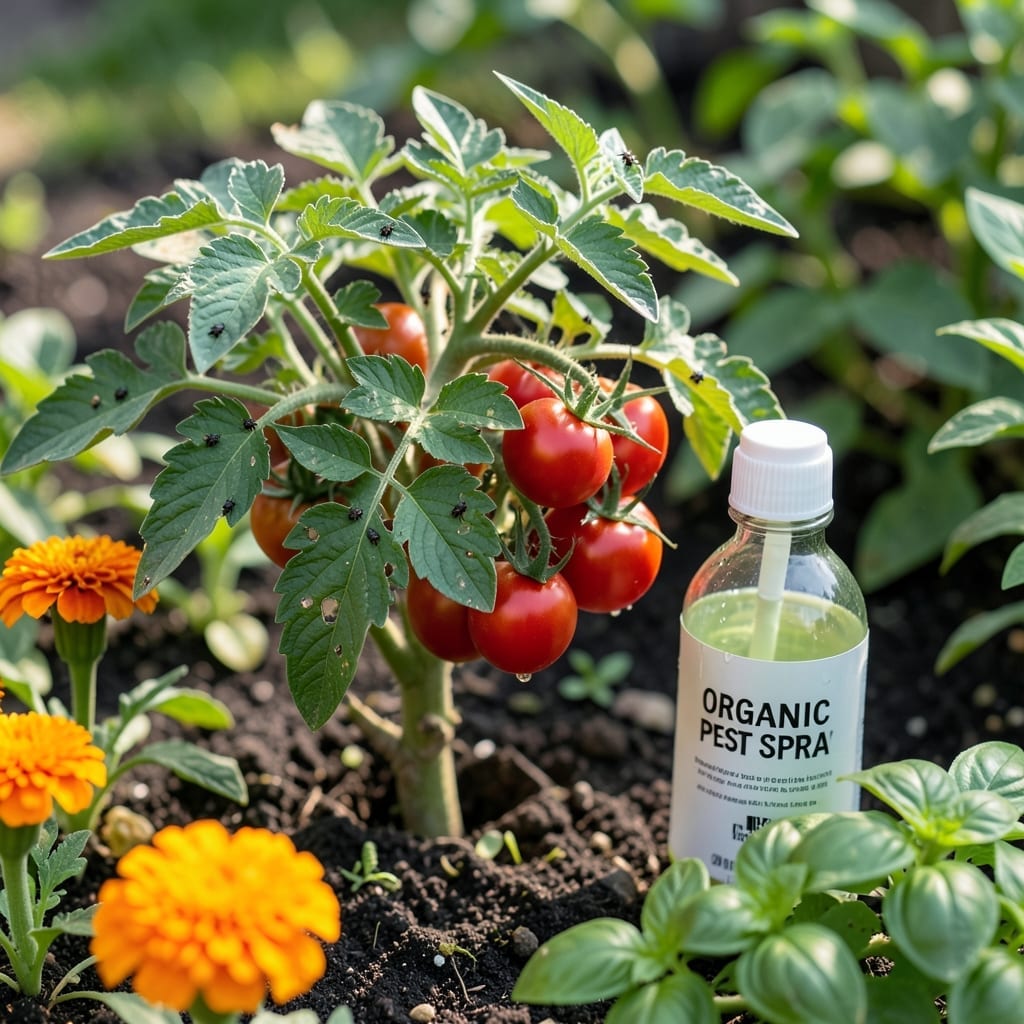
My garden looked like a bug buffet until I learned to spot the culprits. 🌿 Tiny holes in leaves, wilting stems overnight—every damage pattern tells a story if you know what to look for.
Turns out nature provides the best solutions. Companion planting, beneficial insects, and simple sprays keep pests in check without harsh chemicals. I’ve tested these methods through three growing seasons with zero synthetic interventions.
You’ll identify the pests by their unique damage signatures, then apply the exact organic fix. Most remedies use household items, taking 5 minutes to prepare.
Works for vegetables, herbs, and ornamentals alike. Here’s how to take back your garden naturally.
Understanding why pests appear in your organic garden is the first step to preventing them. These intruders are often drawn in by specific conditions or imbalances in your garden ecosystem. Below are the primary causes, explained scientifically:
Plants lacking essential nutrients, like nitrogen or potassium, become stressed and emit chemical signals that attract pests. For example, aphids target weak, over-fertilized plants with soft tissues. Action: Test soil regularly and amend with compost or organic fertilizers to maintain balance.
Excess moisture creates ideal breeding grounds for pests like slugs, snails, and fungus gnats. Soggy soil also weakens plant roots, making them more susceptible to attacks. Action: Ensure proper drainage and water deeply but infrequently to encourage strong root systems.
Monoculture gardens (growing one type of plant) remove natural checks and balances. Pests thrive when their favorite host plants dominate, as there’s no competition or natural predators. Action: Plant companion species (e.g., marigolds with tomatoes) to deter pests and attract beneficial insects.
Decaying plant matter, fallen leaves, or unharvested crops provide shelter and food for pests. For instance, squash bugs hide under debris during winter. Action: Remove garden waste promptly and practice crop rotation to disrupt pest life cycles.
Warm, humid weather accelerates pest reproduction, while sudden temperature drops stress plants, making them vulnerable. Action: Use row covers in early seasons and monitor weather forecasts to anticipate outbreaks.
Tackling garden pests organically starts with smart, targeted solutions. Below are practical fixes for common issues, paired with prevention tips to keep your garden thriving without harsh chemicals.
Mix 1 tsp mild liquid soap with 1 liter of water and spray directly on aphids. The soap dissolves their protective coating, causing them to dehydrate. Prevention tip: 💡 Encourage ladybugs—natural predators—by planting dill, fennel, or marigolds nearby.
Bury a shallow container filled with beer at soil level. Slugs and snails are attracted to the yeast, fall in, and drown. Prevention tip: 🌱 Create barriers with crushed eggshells or copper tape around plant beds—the sharp edges deter them.
Dilute 2 tbsp neem oil in 1 gallon of water and spray on affected leaves, especially the undersides. Neem disrupts their life cycle. Prevention tip: ✨ Keep plants well-watered, as spider mites thrive in dry conditions.
Release parasitic wasps (available at garden centers) to lay eggs inside cabbage worm caterpillars, killing them. Prevention tip: 🎯 Cover crops with fine mesh or row covers to block adult butterflies from laying eggs.
While not a pest, this common issue often gets mistaken for one. Add crushed eggshells or bone meal to soil for a calcium boost. Prevention tip: 🌡️ Maintain consistent moisture—fluctuations in watering can trigger this problem.
With these simple, organic fixes, you can protect your garden while keeping it chemical-free and eco-friendly!
Aphids, slugs, and spider mites top the list. These pests thrive in untended gardens but can be managed with natural remedies like neem oil or companion planting.
They preserve beneficial insects and soil health. Chemical pesticides kill everything, including predators that keep pest populations in check naturally.
For sprays like soapy water or neem oil, reapply every 5-7 days or after rain. Consistent monitoring prevents outbreaks before they start.
Yes! Pairing marigolds with tomatoes repels nematodes, while basil near peppers deters aphids. It’s a simple, chemical-free way to protect plants.