
Beautiful Plants For Your Interior
Beautiful Plants For Your Interior
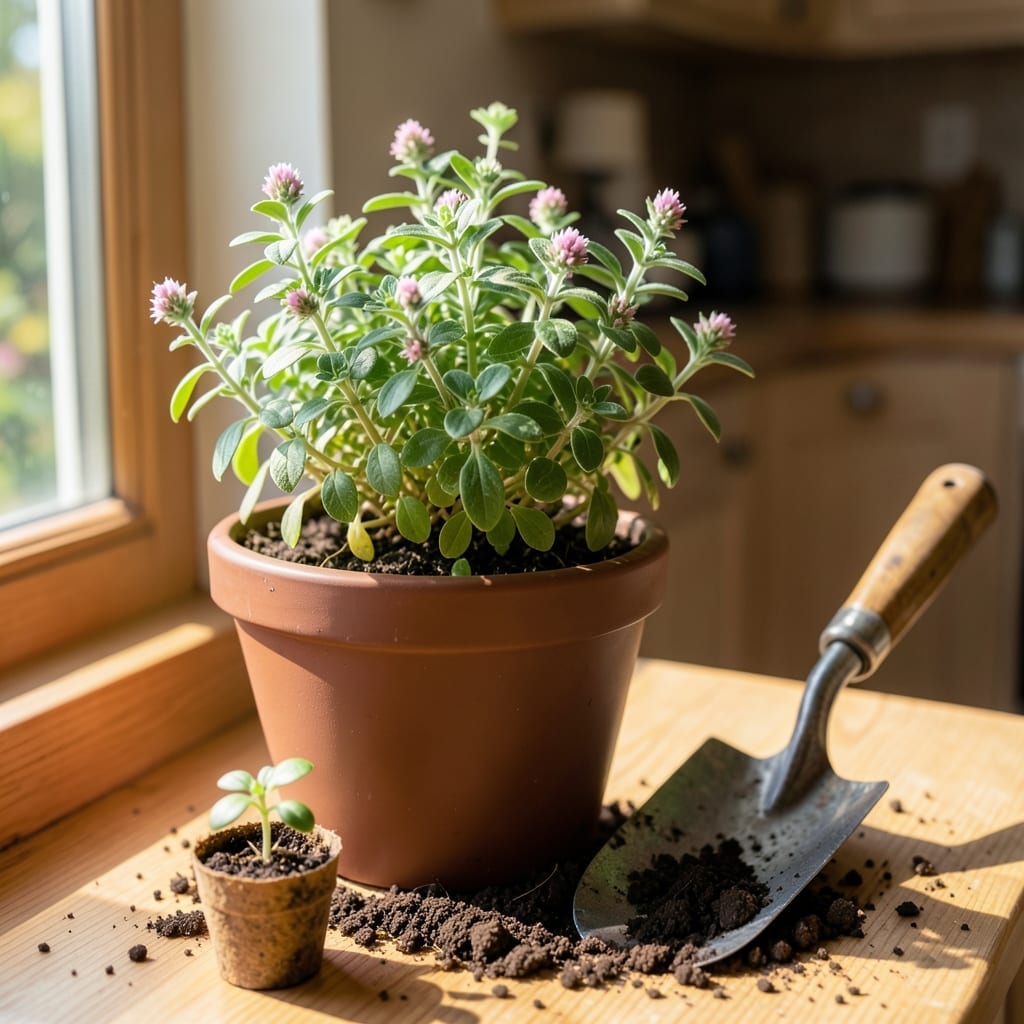
Proper oregano 🌿 plant spacing can make or break your herb garden. Crowd them too close, and you risk stunted growth and weak flavor.
I’ve seen gardeners struggle with wilted oregano simply because they didn’t give it enough room to thrive. The right spacing ensures healthy roots and vibrant foliage.
Whether you’re planting in beds or containers, getting this right is easier than you think. A little planning goes a long way toward a bountiful harvest.
Discover how to space your oregano for the best results—your future dishes will thank you for the rich, aromatic boost.
Getting oregano plant spacing right is key to a thriving herb garden. Proper distance prevents overcrowding and ensures each plant gets enough sunlight and nutrients to flourish. 🌱
For in-ground planting, I recommend spacing oregano plants 8-10 inches apart. This gives them room to spread their root systems while maintaining good air circulation, which helps prevent fungal diseases. 🌿
| Planting Method | Recommended Spacing | Mature Size |
|---|---|---|
| In-Ground | 8-10 inches apart | 1-2 ft tall, 1-2 ft wide |
| Raised Beds | 10-12 inches apart | 1-2 ft tall, 1-1.5 ft wide |
| Containers | 1 plant per 6-8 inch pot | 1 ft tall, 1 ft wide |
If you’re using raised beds, increase the spacing slightly to 10-12 inches. The improved drainage in raised beds allows oregano roots to spread more comfortably, and the extra space helps with airflow and maintenance. ✂️
For container gardening, I suggest planting one oregano per 6-8 inch pot. Oregano can be aggressive in shared containers, so giving each plant its own space prevents root competition and ensures healthy growth. 🪴
Row spacing is just as important as plant spacing. Keep rows 18-24 inches apart to allow easy access for watering, weeding, and harvesting without compacting the soil around your plants. 💧
Remember that oregano spreads over time. If you’re planting multiple varieties, such as Greek oregano or Italian oregano, maintain the recommended spacing to prevent them from encroaching on each other. This also makes pruning and harvesting much easier. ☀️
In hotter climates, you might get away with slightly closer spacing since oregano is drought-tolerant. However, in humid regions, stick to the wider spacing to reduce the risk of mold and disease. 🌡️
Finally, if you’re interplanting oregano with other herbs, keep it away from mint family plants, which can be invasive. A good rule of thumb is to leave 12-18 inches between oregano and other herbs to maintain a balanced garden ecosystem. 🌱
I’ve seen many gardeners make the same oregano spacing mistakes that stunt growth. The most common is planting too close, which leads to poor air circulation and disease. Another is ignoring soil quality, which affects root development.
Overcrowding forces plants to compete for sunlight and nutrients, weakening their flavor. Planting near aggressive herbs like mint can also be problematic, as mint spreads rapidly and chokes out oregano.
⚠️ Avoid These Spacing Errors
I always recommend measuring twice before planting to avoid these issues. Use a ruler or planting template for precision, especially in garden beds where it’s easy to misjudge distances.
In containers, many gardeners forget that oregano spreads as it matures. A 12-inch pot works for one plant, but larger containers allow for multiple plants with proper spacing.
Another mistake is neglecting sunlight. Oregano thrives in full sun, so ensure each plant gets at least 6 hours daily. Shaded spots lead to leggy, weak growth.
Finally, I’ve learned that consistent watering is key after planting. Too much or too little water can stress young plants, making them more susceptible to disease. Stick to a weekly watering schedule unless rain provides enough moisture. ☀️