
Beautiful Plants For Your Interior
Beautiful Plants For Your Interior
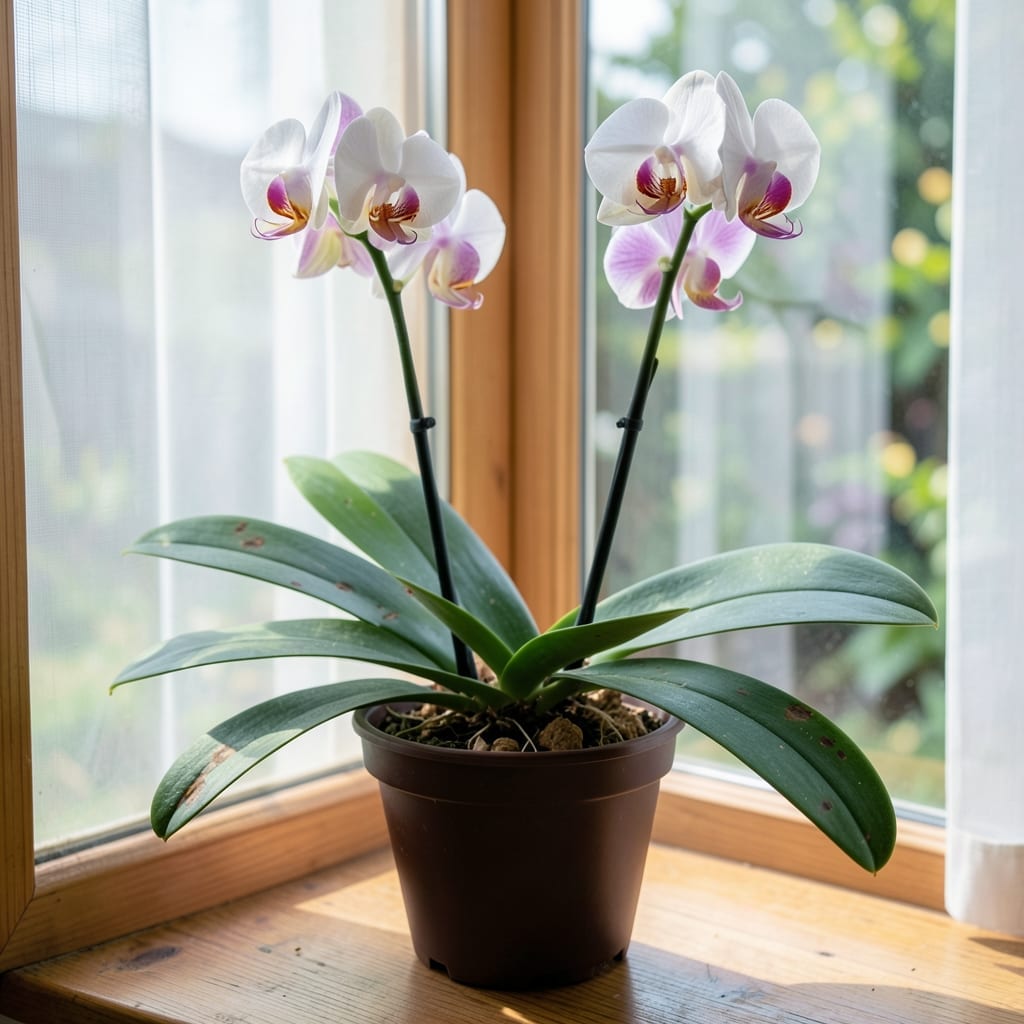
Brown leaves on your orchid aren’t just unsightly—they’re a cry for help. I’ve seen this happen to dozens of plants, and the causes are usually simpler than you think.
Most often, it’s overwatering, sunburn, or a nutrient imbalance. The good news? Each has a clear fix once you spot the signs. Yellowing with mushy roots means too much water, while crispy edges scream sun stress.
With the right adjustments, new growth emerges greener and stronger within weeks. I’ve revived orchids that looked beyond saving by just tweaking their care routine.
This isn’t about luck—it’s about knowing what your plant is telling you. Let’s decode the signals.
Orchid leaves turning brown can be distressing, but understanding the why behind it helps you fix the issue. Here are the most common culprits:
Orchids despise soggy roots. Overwatering suffocates the roots, preventing oxygen uptake and leading to root rot. As roots decay, they can’t deliver water or nutrients to the leaves, causing brown, mushy patches. Poor drainage (e.g., compacted media or no drainage holes) exacerbates the problem.
While orchids need light, direct, intense sunlight (especially midday sun) can scorch leaves. This results in brown or yellowish patches, often with a dry, papery texture. Phalaenopsis orchids, for example, thrive in bright, indirect light—think east-facing windows or filtered light.
Orchids are sensitive to extreme temperatures. Heat stress (above 90°F/32°C) or cold drafts (below 50°F/10°C) can cause leaves to brown at the edges or develop necrotic spots. Sudden temperature swings (e.g., near AC vents or heaters) are particularly damaging.
A lack of essential nutrients like nitrogen, potassium, or magnesium can manifest as brown leaves. Nitrogen deficiency often starts with yellowing (chlorosis) before browning, while potassium deficiency causes leaf edges to crisp and darken. Over-fertilization, however, can burn roots, mimicking underfeeding symptoms.
Sap-sucking pests like scale, spider mites, or mealybugs weaken orchids by draining nutrients. Their feeding sites often turn brown or black, and you may notice sticky residue (honeydew) or webbing. Early detection is key—check leaf undersides regularly.
If your orchid’s leaves are turning brown, act fast with these targeted fixes for the most common causes.
Let the roots dry out before watering again. Remove the orchid from its pot and trim any mushy, black roots with sterilized scissors. Repot in fresh, well-draining orchid mix (bark-based works best). Water only when the top inch of mix feels dry.
Prevention tip: 💡 Use pots with drainage holes and avoid letting orchids sit in water-filled saucers.
Move your orchid to a spot with bright, indirect light—east or north-facing windows are ideal. If leaves feel hot or crispy, they’ve been sunburned. Trim severely damaged leaves to help the plant redirect energy.
Prevention tip: 🌡️ Use a sheer curtain to diffuse intense light, especially during peak afternoon hours.
Boost humidity around your orchid by placing it on a pebble tray filled with water or using a humidifier. Grouping plants together also helps. Aim for 40-70% humidity for optimal health.
Prevention tip: ✨ Mist leaves lightly in the morning, but avoid doing so in the evening to prevent fungal issues.
Flush the potting mix with distilled water to remove excess salts from fertilizers. Switch to a balanced, water-soluble orchid fertilizer (20-20-20) and dilute it to half strength. Feed every 2-4 weeks during active growth.
Prevention tip: 🎯 Always water your orchid before fertilizing to prevent root burn.
Wipe leaves with a damp cloth to remove pests like spider mites or scale. For stubborn infestations, use neem oil or insecticidal soap, applying every 5-7 days until pests are gone. Isolate the plant to prevent spreading.
Prevention tip: 🔍 Inspect new plants before bringing them near your orchids.
No, once a leaf turns brown, it won’t recover. Focus on preventing further damage by addressing the root cause, like adjusting watering or light exposure. New healthy leaves will grow with proper care.
Sunburn causes dry, crispy brown patches, often on the top leaves. Overwatering leads to soft, mushy brown spots, usually near the base. Check the roots—soggy roots confirm overwatering.
Yes, trim completely brown leaves with sterilized scissors. This prevents the plant from wasting energy on damaged tissue and reduces the risk of disease spreading.
Dry air can lead to brown, crispy leaf tips. Aim for 40-70% humidity and use a pebble tray or humidifier to maintain it.