
Beautiful Plants For Your Interior
Beautiful Plants For Your Interior
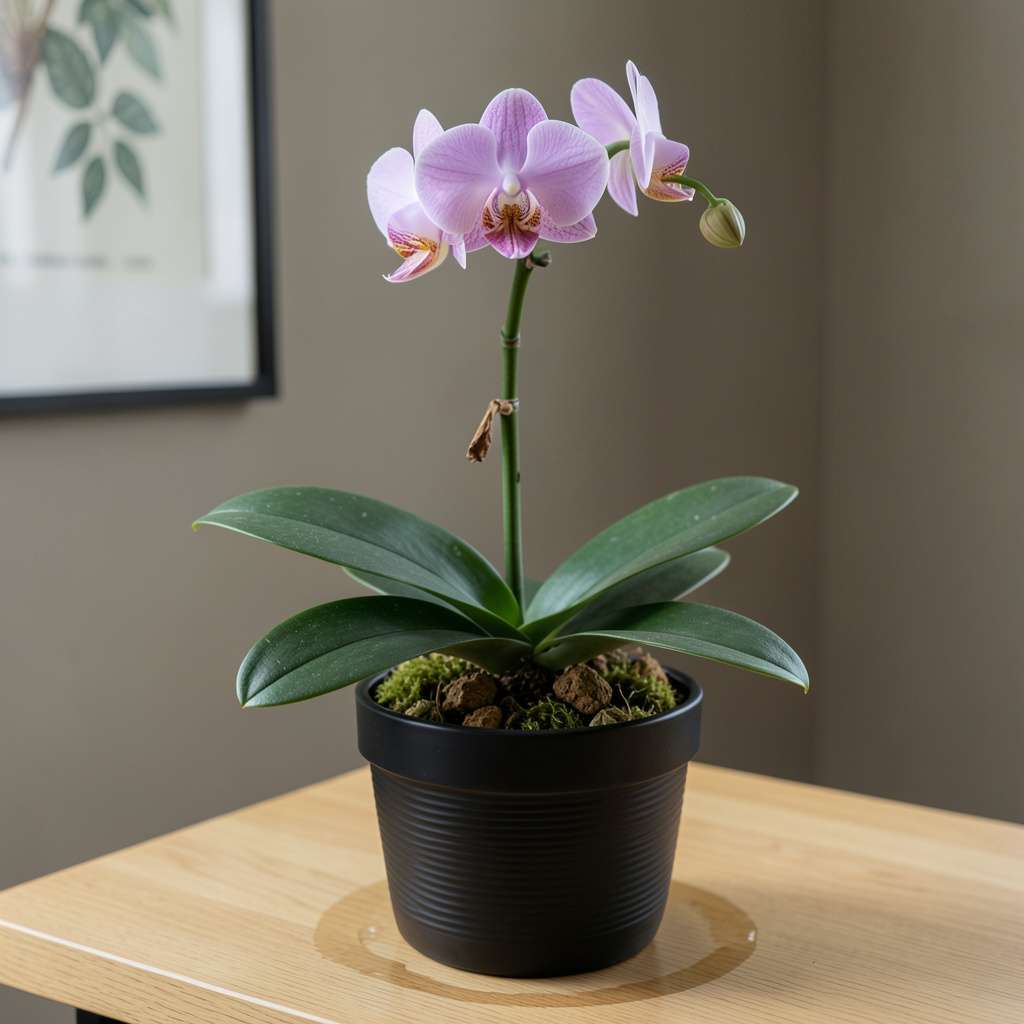
A brown orchid stem usually signals root rot, overwatering, or fungal infection. Check moisture levels immediately—trim affected areas with sterilized tools and adjust watering habits to prevent spread.
From my years of tending orchids, I’ve learned that browning stems are often the plant’s distress signal for suffocating roots. 🌱 The issue typically starts when waterlogged conditions cut off oxygen supply, creating a perfect breeding ground for pathogens. What many don’t realize is that even “just damp” medium can trigger this cascade—orchids need their roots to dry slightly between waterings. I always recommend the finger test before watering: if the top inch feels moist, wait another day.
This problem escalates quickly because compromised stems become entry points for bacteria and fungi. The good news? Catching it early means you can often save the plant by removing affected tissue and giving it fresh, breathable medium. I’ve revived dozens using a mix of orchid bark and perlite—this combo mimics their natural epiphytic environment perfectly. ✨
💡 In This Article
When an orchid stem starts browning, it’s often a chain reaction beginning underground. The primary culprit is typically overwatering, which creates anaerobic conditions in the root zone. Orchid roots need oxygen as much as they need moisture—they’re designed to cling to tree bark in nature, where air circulates freely.
When submerged in soggy medium, roots can’t respire properly, leading to cell death within 24-48 hours. This is why I always recommend checking moisture with your finger before watering. 🌿
The browning you see is actually necrotic tissue—dead plant cells that have turned brown due to lack of oxygen and nutrient transport.
What’s particularly insidious is how quickly this spreads: once root function is compromised, the plant can’t absorb water properly, creating a paradox where you might think it needs more water when it actually needs less. Temperature plays a role too—roots rot faster in warm conditions (above 80°F) because microbial activity accelerates.
Fungal and bacterial pathogens often exploit these weakened conditions. The most common invaders are Fusarium and Phytophthora species, which enter through microscopic wounds or stressed tissue. These pathogens release enzymes that break down cell walls, causing the characteristic soft, mushy brown stems.
I’ve found that calcium deficiency makes orchids particularly vulnerable, as calcium strengthens cell walls against invasion. The telltale sign of fungal involvement is often a faint musty odor near the base. 🔬
Environmental stressors compound the problem. Low humidity (below 40%) causes stems to lose moisture too quickly, while high humidity (>70%) without proper airflow creates a film of moisture on stems that invites pathogens. Light levels matter too—orchids in low light grow more slowly, making them less able to recover from root stress.
In my garden journal, I’ve noted that Phalaenopsis orchids show stem browning faster than Cattleyas because their thinner stems are more sensitive to moisture fluctuations.
Early warning signs often appear before the browning becomes obvious.
Watch for:
Catching these signs early can mean the difference between saving your orchid and losing it completely. ✨
The color pattern of the browning offers clues about the cause. Dark brown/black typically indicates advanced rot, while light tan browning often suggests sunburn or nutrient deficiency. A purplish-brown hue sometimes appears with bacterial infections.
I once saved a prized Vanda orchid by noticing the browning was only on the sun-facing side—turns out it was getting too much direct afternoon light through my west-facing window.
What many orchid growers don’t realize is that the potting medium itself can contribute to the problem. Standard potting soil is deadly for orchids—it compacts too much and holds excessive moisture. Even “orchid mix” from big box stores often contains too much peat moss, which breaks down quickly and suffocates roots.
The gold standard is a mix of fir bark (40%), charcoal (20%), and perlite (40%), which provides both drainage and aeration. I refresh my orchids’ medium every 12-18 months to prevent compaction. 💫
Water quality makes a surprising difference too. Orchids are sensitive to salts and minerals in tap water, which can accumulate and burn roots over time. I’ve seen stems brown from the inside out when watered with hard water over months. The solution?
Either use rainwater, distilled water, or let tap water sit out for 24 hours before using to allow chlorine to evaporate. Adding a pinch of citric acid (1/4 tsp per gallon) can help neutralize alkaline water that might be stressing your plant.
Remember that browning stems don’t always mean the whole plant is doomed. Orchids are remarkably resilient—they can grow new stems from healthy roots if given proper care. The key is acting quickly before the rot reaches the crown (where stems meet leaves).
In my experience, orchids with at least 30% healthy roots have an excellent chance of recovery with proper intervention. The browning you see today might just be the plant’s way of telling you it needs a change in care! 🌱
Not necessarily! While root rot is the most common cause, brown stems can also result from sunburn, nutrient deficiencies, or even physical damage. Check if the browning is localized to one side—this often indicates sun exposure rather than rot.
Yes, if the roots are still healthy! Focus on the base where stems meet roots. If that area remains firm and green, trim the brown stem completely and provide optimal care. New stems can grow from healthy roots within 6-8 weeks.
Wait 5-7 days after repotting before watering. Then use the “soak and dry” method: water thoroughly once a week, letting the medium dry slightly between waterings. Always check moisture with your finger first—orchids hate soggy roots!
Wipe blades with rubbing alcohol (70%+) or dip in 10% bleach solution for 30 seconds. Rinse with clean water afterward. I keep a small spray bottle of alcohol near my gardening station for quick sterilization between cuts.
Only if you see active fungal growth (fuzzy spots, musty smell). For prevention, a cinnamon powder sprinkle on cuts works naturally. Save chemical fungicides for severe cases—overuse can harm beneficial microbes in your potting mix.
