
Beautiful Plants For Your Interior
Beautiful Plants For Your Interior
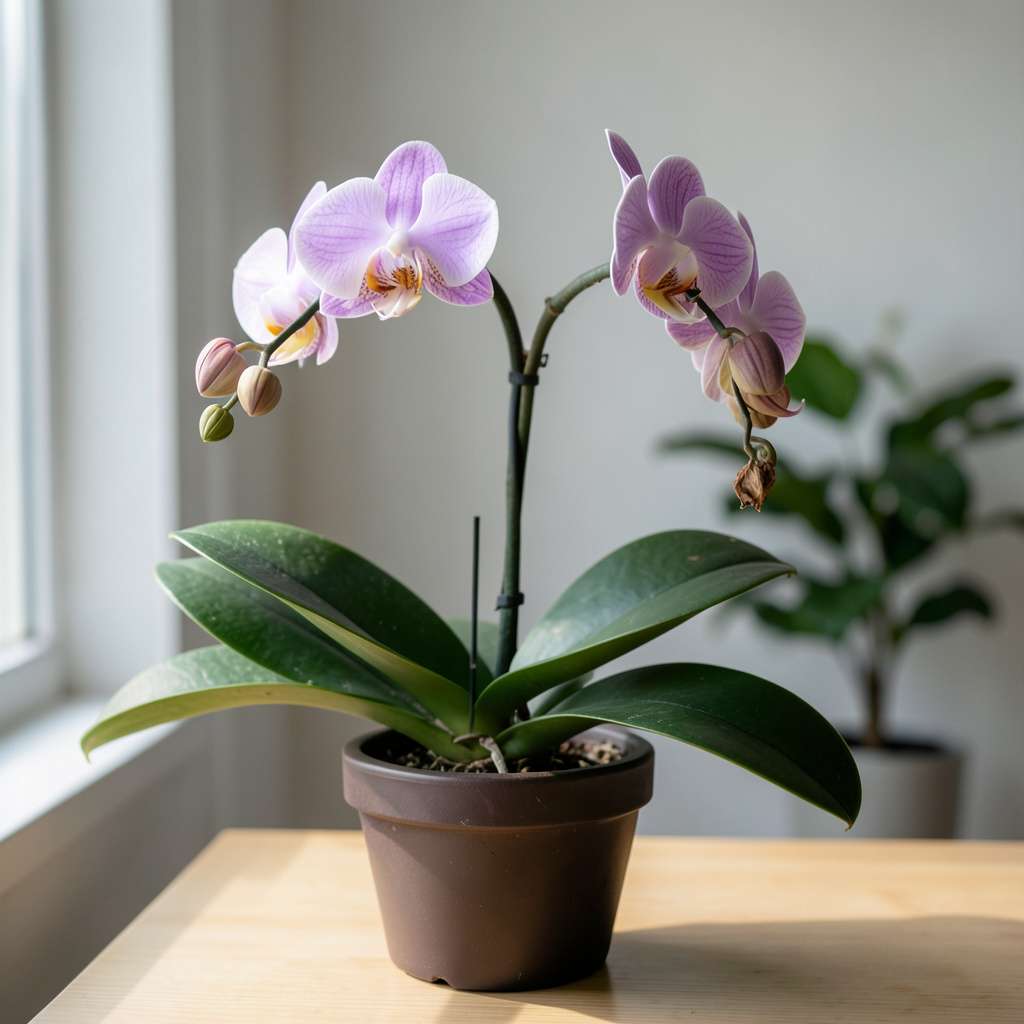
Orchids lose flowers naturally after 6-12 weeks, but premature dropping often stems from stress like improper light, overwatering, or temperature swings. Check growing conditions first—adjust care to match your orchid’s specific needs.
I’ve found that orchids are surprisingly sensitive to their environment—even small changes can trigger flower loss. 🌸 The key is recognizing that blooms dropping early isn’t always a death sentence for your plant. Often, it’s the orchid’s way of conserving energy when stressed. For example, moving it from a drafty window to a stable spot with bright, indirect light can work wonders. What many don’t realize is that orchids react strongly to ethylene gas (from ripening fruit nearby) or sudden temperature drops below 55°F, both of which accelerate bloom loss.
💡 In This Article
Orchid blooms are surprisingly sensitive to environmental stressors because their cellular structure reacts dramatically to changes. When exposed to ethylene gas (released by ripening fruits like apples or bananas), the flower cells accelerate aging through a process called programmed cell death.
This is why placing your orchid near a fruit bowl can cause buds to shrivel overnight. The gas triggers a hormonal response that prioritizes survival over reproduction—your orchid essentially “aborts” flowers to conserve energy. 🌸
The roots tell the real story about water stress. Healthy orchid roots should be plump and silver-green when dry, turning green when properly hydrated. Overwatering suffocates roots by filling air pockets in the bark mix, while underwatering causes roots to shrink and turn gray.
Either extreme disrupts nutrient uptake, forcing the plant to sacrifice blooms first. I once rescued a Phalaenopsis by switching to the “ice cube method” (3 cubes weekly) after noticing its roots had turned mushy from consistent overwatering. ✨
Light deprivation creates a domino effect in photosynthesis. Orchids need 12-14 hours of bright, indirect light daily to produce enough sugars for both growth and flowering. When light drops below 1,000 foot-candles (equivalent to a well-lit room), the plant enters survival mode—redirecting energy from blooms to leaf maintenance.
You can test light levels with a free smartphone lux meter app; ideal ranges are 10,000-15,000 lux for most varieties. A simple move from a north-facing to east-facing window often revives struggling blooms. 💡
Temperature swings above 85°F or below 55°F trigger a stress response called thermomorphogenesis, where the plant alters its growth patterns. Even a 10°F drop overnight can cause buds to blast (turn yellow and drop). Humidity below 40% compounds the problem by increasing transpiration rates—your orchid loses moisture faster than its damaged roots can absorb.
I maintain stable conditions using a $20 digital hygrometer and a pebble tray with water (never letting the pot sit in water). ⚡
Here’s how to diagnose which factor is affecting your plant:
The most overlooked trigger? Drafts from air conditioners or heating vents. Even gentle airflow can desiccate blooms faster than you’d expect. I once lost an entire spike of Cattleya flowers after placing it near a ceiling fan set to medium speed.
The solution was as simple as moving it 3 feet away—sometimes the fix is easier than you think! Remember that orchids in nature grow in stable, humid microclimates under tree canopies; replicating this consistency is key to prolonged blooms. 💫
Most healthy orchids bloom once a year, with flowers lasting 6-12 weeks depending on the variety. Phalaenopsis typically bloom for 2-3 months, while Cattleyas may last 3-4 weeks. If your orchid drops flowers sooner, check environmental conditions first.
Sometimes! Move the plant to stable conditions immediately—bright, indirect light and 60-70% humidity. Remove any stressed buds (yellow/brown) to redirect energy. While you can’t save already-falling flowers, this may preserve remaining buds.
Sudden wilting often indicates ethylene gas exposure (from nearby fruit) or temperature drops below 55°F. Check for drafts from windows or vents too. Orchids are extremely sensitive to overnight changes—even a 10°F drop can trigger this.
For Phalaenopsis, leave the spike unless it turns brown—it may rebloom in 8-12 weeks. Other varieties like Cattleyas need immediate trimming to 1 inch above the base. Always use sterilized scissors to prevent infection.
Watch for yellowing leaf tips, wrinkled leaves, or roots turning gray (underwatered) or brown (overwatered). Buds that stay closed or develop brown edges also signal stress. Early intervention can save your blooms!
