
Beautiful Plants For Your Interior
Beautiful Plants For Your Interior
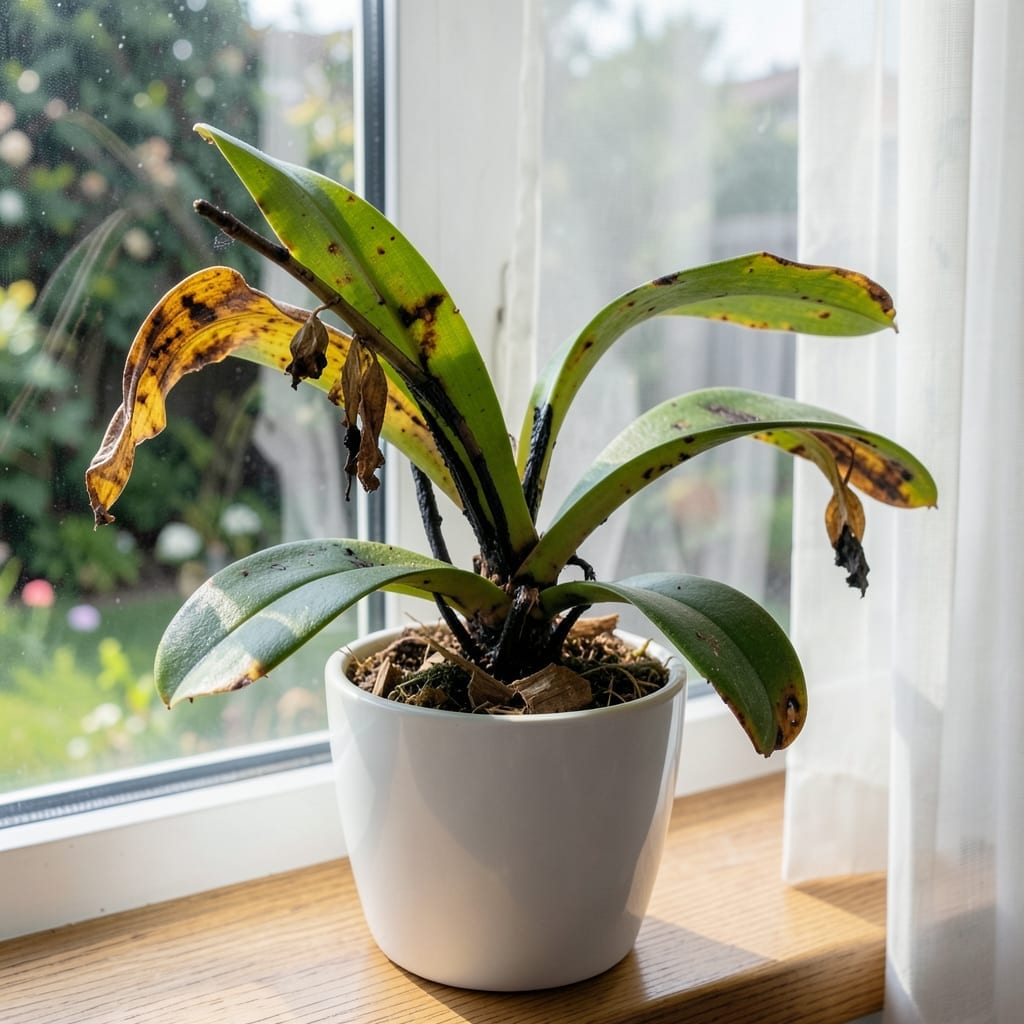
That sinking feeling when you see your orchid’s leaves turned to mush. I’ve been there—left mine too close to a cold window last winter, and the damage was instant.
Cold shock in orchids shows up as soft, dark spots or wilted leaves. The good news? Most can bounce back with the right care. I saved mine by moving it to 70°F warmth and trimming the worst damage.
You’ll see new growth within 2-3 weeks if the roots stayed firm. The key is acting fast and keeping conditions stable. No fancy tools—just patience and a sharp pair of scissors.
Works for any orchid type, whether it’s a phalaenopsis or a dendrobium. Here’s the step-by-step to bring yours back to life.
Orchids are tropical plants that thrive in warm, stable environments. When exposed to conditions outside their ideal range, they suffer physiological stress that can lead to cold damage. Below are the primary causes, explained with actionable insights.
Orchids, especially Phalaenopsis or Dendrobium varieties, cannot tolerate abrupt temperature shifts. A drop below 50°F (10°C)—even for a few hours—disrupts cellular function. Water inside plant tissues may freeze, causing cell rupture and blackened, mushy leaves or stems. This often happens when orchids are left near drafty windows, outdoor patios, or during transport in cold weather.
Extended periods in chilly conditions (e.g., overnight lows below 45°F/7°C) slow down metabolic processes. The plant’s ability to absorb water and nutrients declines, leading to wilting, yellowing leaves, or stunted growth. Worse, cold stress weakens the orchid’s immune system, making it vulnerable to bacterial or fungal infections.
Even if the ambient temperature seems safe, cold drafts from air conditioners, open doors, or windy balconies can create localized cold spots. These drafts cause uneven cooling, where parts of the orchid (e.g., buds or new growths) freeze while others remain unaffected. Look for brown, shriveled buds or leaf edges as telltale signs.
Many growers overlook the danger of nighttime temperature drops, especially in greenhouses or unheated rooms. Orchids need a 10–15°F (5–8°C) difference between day and night temps to thrive, but dips below 50°F (10°C) at night can trigger cold shock. Use a minimum/maximum thermometer to monitor fluctuations.
If your orchid has suffered from cold damage, quick action can save it. Here’s how to address the most common issues and prevent them in the future.
Cold shock often causes leaves to turn black or mushy. Trim affected areas with sterilized scissors, cutting back to healthy tissue. Avoid removing entire leaves if only parts are damaged. Prevention tip: 💡 Keep orchids away from drafty windows or doors, especially during winter nights.
If leaves are wilting or turning yellow, move the plant to a warmer spot (65–80°F) with indirect light. Reduce watering temporarily to let the roots recover. Prevention tip: ✨ Use a thermometer to monitor room temperature and avoid sudden drops below 55°F.
Cold damage weakens roots, making them prone to rot. Gently remove the orchid from its pot, trim any soft or discolored roots, and repot in fresh, well-draining media like bark mix. Prevention tip: 🌡️ Place pots on trays with pebbles to avoid direct contact with cold surfaces.
If cold stress causes buds to drop, don’t panic. Keep the plant in stable conditions, and new buds may form. Boost humidity with a tray of water or a humidifier. Prevention tip: 🎯 Avoid placing orchids near air conditioning vents or cold drafts.
With prompt care, most orchids bounce back from cold damage. Stay vigilant, and your plant will thrive!
Yes, most orchids can recover if you act quickly. Move it to a stable 70°F environment and trim damaged areas. New growth often appears within 2-3 weeks.
Most orchids suffer below 50°F, with serious damage occurring under 45°F. Even brief exposure to 32°F can be fatal, especially for tropical varieties.
Cold stress causes bud blast as the plant conserves energy. This is common but not permanent—stable warmth and humidity help prevent future drops.
Keep orchids away from drafty windows, AC vents, and exterior doors. Use a thermometer to monitor temps, especially at night.